
Soak Holes and Stormwater: How Drainage Actually Works on Bay of Plenty Sections
Soak holes, soakage pits and stormwater drainage in Tauranga explained — when you need one, how sandy Bay soil changes the answer, and what it costs in 2026.
Rain hits your roof, runs down the gutters, and has to go somewhere. On a lot of Bay of Plenty sections, that "somewhere" is a soak hole in the ground rather than a pipe to the street. This guide covers what soak holes are, when you need one, and why sandy coastal ground makes the answer so different to inland clay suburbs.
— What a Soak Hole Actually Is
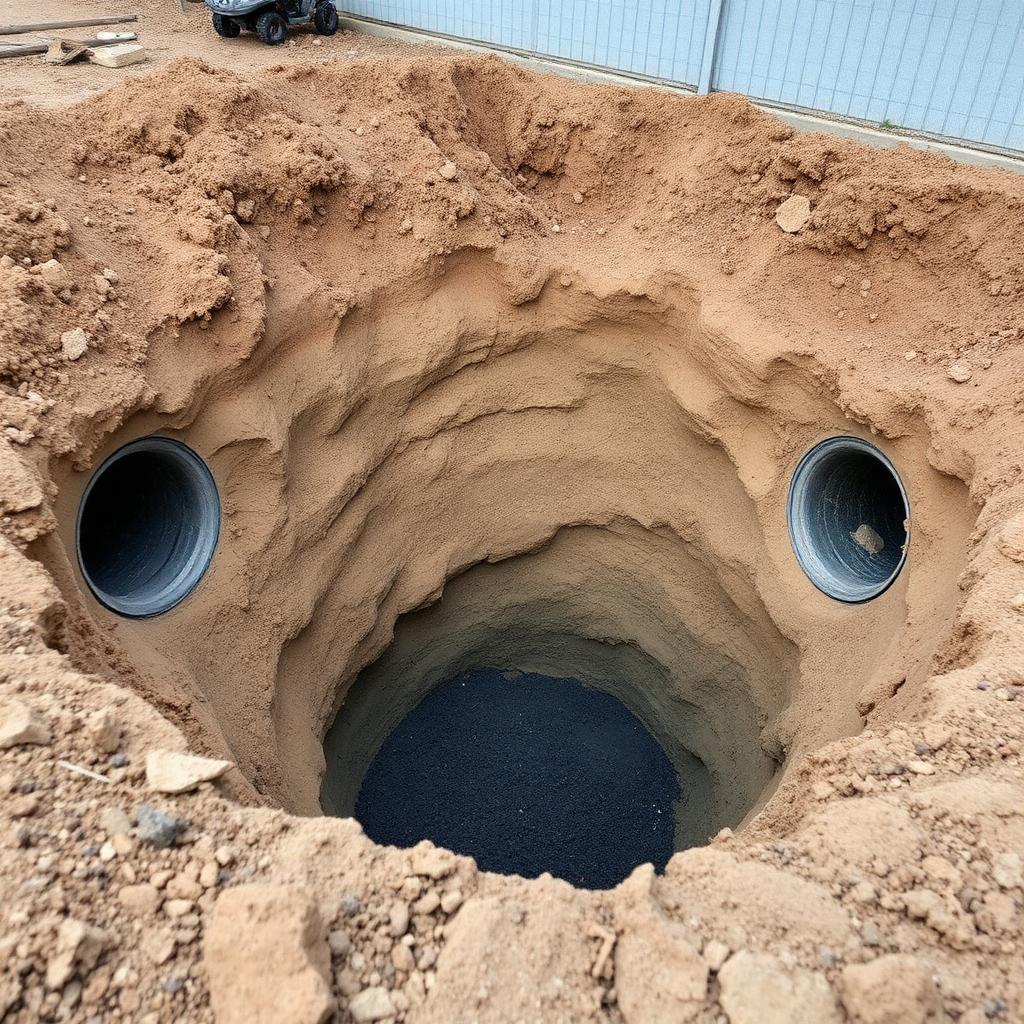
A soak hole (also called a soakage pit or soakpit) is an excavated hole in the ground filled with free-draining material — scoria, drainage metal, or manufactured chamber systems — that receives stormwater from your downpipes and disperses it into the surrounding soil. Instead of piping water to a council stormwater main, the ground takes it.
Two situations mean you need one:
No council stormwater connection. Common on rural, semi-rural and some older sections. There's no main to connect to, so on-site disposal is the only option.
Council requires on-site disposal. Even where a main exists, consent conditions on new builds increasingly require some or all stormwater to be handled on-site to reduce load on the network — see the new-build drainage requirements guide.
— The Bay Is Soakage Country
Coastal Bay of Plenty is largely sandy. Mount Maunganui, Papamoa, parts of Omokoroa, Pāpāmoa East — soakage on these sections is often excellent, and soak holes work beautifully. Water hits sand and disappears. See the building on sand guide for the wider picture on sandy sections.
Inland is a different story. Clay-heavy suburbs — Bethlehem, Ohauiti, parts of Welcome Bay — often soak poorly. Water sits in the hole rather than dispersing. On these sections, a soak hole either has to be much bigger to work, has to reach a lower layer of better-draining ground, or isn't the right answer at all and council will require a piped connection instead.
You don't guess which one your section is. You test.
— The Soakage Test
A soakage test measures how fast water actually drains through your ground. A test hole is dug, filled with water, and the drop rate over time is measured. Result gets translated into a soakage rate the council uses to size the required soak hole for your roof area.
Good soakage rate → smaller, cheaper soak hole. Poor rate → bigger, deeper, more expensive. Failing rate → soak hole isn't a solution and you're piping stormwater somewhere else.
Council usually asks for the test as part of consent on any new build using on-site disposal. Getting it done early is smart — it changes the budget, sometimes significantly.
— What a Soak Hole Install Involves
Excavation — hole sized to the calculated volume, deep enough to reach the good soakage layer if there's one.
Media or chamber — traditional soak holes are filled with scoria or drainage metal. Modern installs often use plastic chamber systems (like Draincoil or crate-style units) that hold more water per cubic metre of hole.
Geotextile — wrap around the media stops fine soil silting into it and destroying the drainage over time. Non-negotiable.
Downpipe connections — pipe runs from the roof downpipes to the soak hole. Trench costs sit within the 2026 trenching guide pricing — length and depth drive the number.
Overflow path — where the water goes in an extreme event. Even a good soak hole gets overwhelmed occasionally; overflow to a safe area is part of the design.
— What It Costs
Three things drive the price:
Size. Bigger roof area = bigger required soak hole. Simple maths.
Depth. A test that shows good soakage at 1.5m is cheap. A test that needs 3m to hit good ground doubles the excavation cost and needs different shoring.
Access. Back-of-section soak holes on tight-access sites take longer — see the tight access guide.
Full soak hole install with connections on a standard residential site typically sits between $2,500 and $6,500 in 2026. Big or deep holes, or bad access, go higher.
— Why Soak Holes Fail
Three common causes: undersized for the actual roof area, silt loading with no filter (the geotextile shortcut), and built in ground that never soaked in the first place because no proper test was done. All avoidable with the right design.
— Maintenance Basics
Keep gutters clean so leaf litter isn't washed into the soak hole. Check any silt traps annually. A well-designed soak hole with geotextile lining will run 20+ years without trouble. A poor one silts up and stops draining within a few years.
Drainage work sits with our registered in-house drainlayer — see the plumbing and drainage service for how soak holes fit into a full drainage scope.
— FAQs
What is a soak hole?
An excavated pit filled with drainage media or chambers that disperses stormwater into the ground on-site instead of piping it to council stormwater.
Do I need one?
If there is no council stormwater connection or your consent requires on-site disposal, yes. The drainage plan for your site decides.
Do soak holes work in clay?
Often poorly. A soakage test tells you whether the ground will actually take water before any money is spent digging.
How much does a soak hole cost?
Size, depth and access drive it. Connections priced per the trenching guide. A site visit gives the real figure.
Who signs it off?
Drainage work sits with a registered drainlayer and council inspection where consent applies. Our in-house drainlayer handles both.