
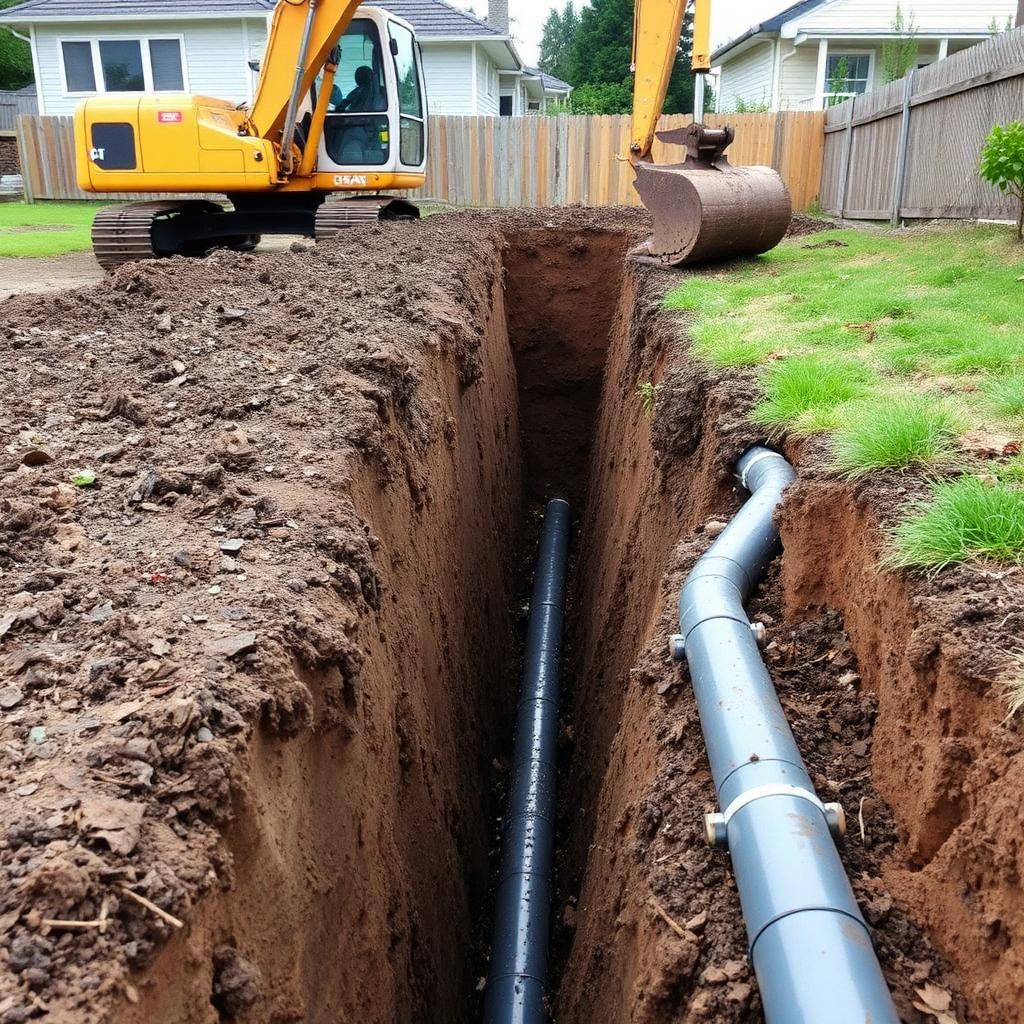
Trenching and Drainage Trench Costs in Tauranga: The 2026 Guide
What trenching costs per metre in Tauranga in 2026: drainage, power and water trenches, depths NZ services require, and what drives the price.
Trenching is one of those numbers that people ask about early — the length of the run is easy to measure, and it feels like it should have a simple price per metre. It roughly does. Here is what trenching actually costs in Tauranga in 2026, what changes the price, and where the surprises tend to come from.
— Cost Per Metre by Trench Type
Drainage trenching — stormwater and wastewater — typically runs $50 to $100 per metre in Tauranga in 2026. Simple straight runs at modest depth sit at the lower end; deeper trenches, hard ground or lots of service dodging push it up.
Power and water service trenches land in a similar range, $50 to $100 per metre, driven mostly by depth and by how much reinstatement is needed at the surface.
Combined trenches — one trench carrying multiple services at approved separations — save money over digging separate runs, though the trench is wider and often deeper. Worth pricing when the design allows it.
These are cost-of-trench numbers only. Pipe, cable, bedding, fittings, connections and reinstatement are quoted separately in a normal drainage or service quote. Our drainage requirements guide covers what a full drainage scope looks like.
— What Drives the Price
Depth. A shallow drain run is quick. A deep trench takes longer, needs battered sides or shoring, and generates more spoil to move and back-fill. Depth is the single biggest lever on cost per metre.
Soil type. Sandy ground digs fast but wants to collapse — sides need to be battered wider or shored, and material has to be stockpiled well back. Clay holds its shape but is slower to cut through. Rock or old concrete is the surprise you want to know about early.
Access. A machine that can drive straight to the trench line and follow it works fastest. Tight access, garden beds, established landscaping, or having to hand-dig around trees all slow it down.
Existing services. Every buried service on the way is a stop-and-check. Locate first, expose by hand where needed, protect on the way past. Adds real time to a run through a serviced back yard.
Reinstatement. Backfilling and reinstating grass is one number. Cutting and reinstating concrete, asphalt or paving is another entirely. If the trench crosses hard surface, that is where the cost sits.
— Typical NZ Service Trench Depths
Depths are set by the plan and by the relevant NZ standard for each service — the numbers below are general guidance, and the actual depths for your job come from the design drawings and the servicing rules that apply.
Stormwater and wastewater go to fall — the depth is whatever the fall from the highest fixture to the connection point requires. There is no single "right" depth. On a flat section a run can end up much deeper at the connection end than at the house.
Power and water service trenches go to standard cover depths under the relevant standard — deeper under a driveway or trafficked area than under a lawn. A qualified drainlayer or electrician sets the specific depth for your job.
The practical point: don't specify depths yourself. Get the plan first, then price the trench.
— Trenching in Sand vs Clay in the Bay
Bay of Plenty ground varies more than most people realise between suburbs. Coastal sections — Mount, Papamoa, Ōmokoroa foreshore — are sand. Inland — Bethlehem, Pyes Pa, Ohauiti — you're into clay and volcanic material. Both dig fine with the right machine and operator, but they behave differently.
Sand collapses. Trenches need battered sides or proper shoring, spoil stockpiled well back from the edge, and often a slightly wider dig to be safe. Groundwater is usually closer to the surface. A trench that stands open overnight in sand is not the same trench in the morning.
Clay is slower digging — the bucket has to work harder — but the sides hold and you can cut closer to vertical. Water sits rather than moves, so bedding and fall matter for drainage or the pipe will not shift water through it properly. Our coastal excavation guide covers the sand side in more detail.
— Why Trenches Fail
Three reasons, in order:
Wrong fall on drainage. A drain that goes uphill by 10mm somewhere in the run does not shift water. The fault is usually in the trench, not the pipe.
Poor bedding. Pipe laid on a lumpy trench floor sits with stress points. Metal bedding under and around, to the right specification, is what keeps a pipe straight and unbroken.
Backfill without compaction. Loose backfill settles. If it settles under a driveway or a lawn you now have a dip. If it settles hard against a service, you can end up with a broken pipe. Compaction to the right density, in the right lifts, is what stops that.
— Machine Trenching vs Hand Digging
Machine wins on speed, cleanness and price for any run of more than a couple of metres in reachable ground. Hand digging is for the tight bits — around a live service, close to a tree root, inside a shed. Good jobs use both: machine along the run, hand at the risky points, machine again once past.
Doing it entirely by hand to save money almost never saves money — the day rate for two people with shovels can pass the machine hourly rate quickly, and the finish is not the same.
— Getting a Price
Length of the run, rough depth, what's crossing the run, and whether reinstatement is grass or hard surface — those four things get us close on the phone. A site visit locks the number in. See our drainage service for the full drainage scope we deliver, and get in touch for a free quote before scheduling anything else that depends on the trench being done.
— FAQs
How much does trenching cost per metre in NZ?
Drainage trenching typically runs $50 to $100 per metre in 2026, with power and water service trenches in a similar range depending on depth and reinstatement.
How deep does a drainage trench need to be?
To the design fall on the plan. A site visit and drainage plan set the depth — there is no single number that works for every job.
Can you trench near existing services?
Yes — but always locate services first. Every job starts with a service location so the machine knows where the pipes and cables are before the bucket moves.
Do you repair the lawn after?
Reinstatement is quoted upfront so there are no surprises. Lawn, concrete or asphalt reinstatement is priced in the quote before work starts.
How fast is machine trenching?
Most residential runs complete in a day. Longer runs, harder ground or lots of service dodging can extend it.