What Size Digger Does Your Job Actually Need? 1.8T vs 5T vs 13T
Digger sizes explained for NZ homeowners — what a 1.8 tonne, 5 tonne and 13 tonne machine each do best, what fits your access, and how size changes the price.
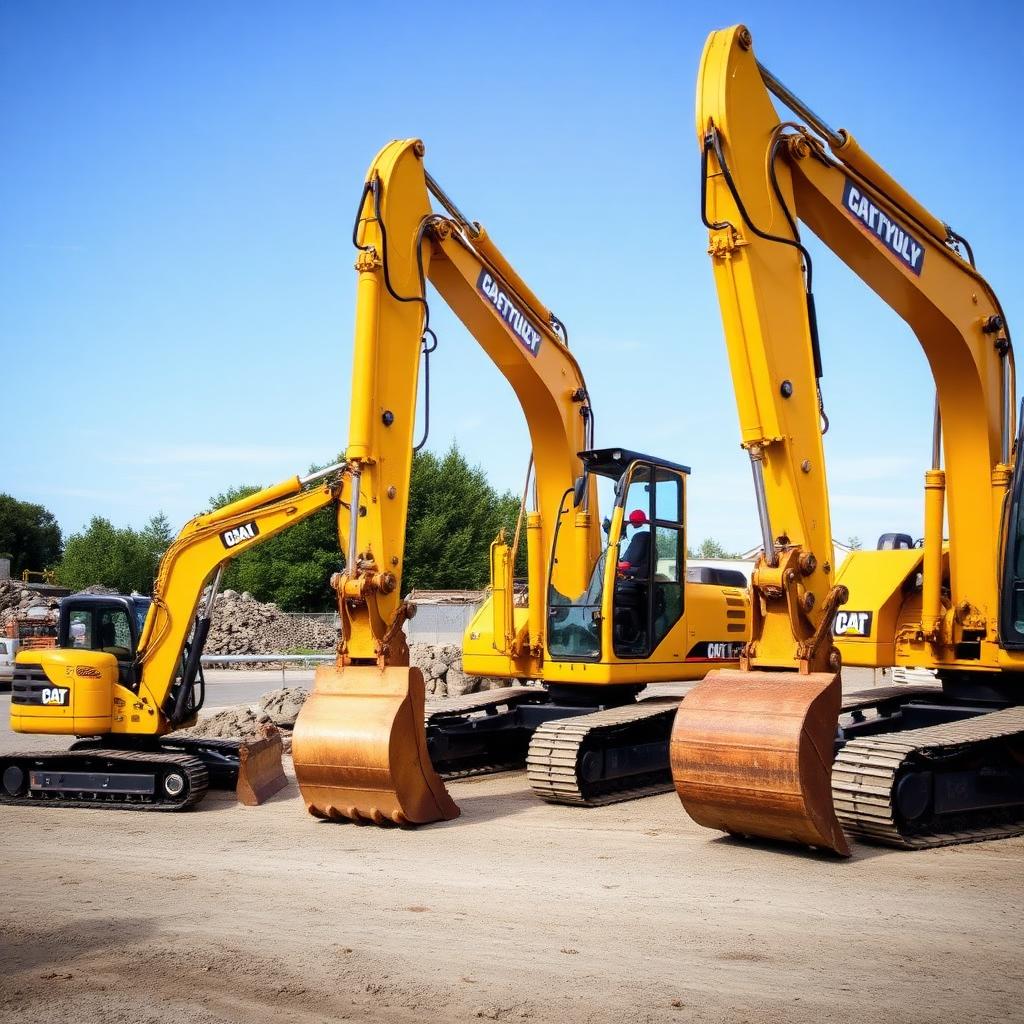
Every excavation quote starts with the same question: what size digger does this job need? Get it wrong on the small side and the job takes days it shouldn't. Get it wrong on the big side and either the machine can't get in, or it wrecks the lawn getting there. Here's how the three main size classes actually stack up and how to pick.
— The Compact Class (1.8-2 Tonne)
Built for tight access. Fits standard residential gates and narrow side paths — the whole point of the machine. Track width narrow, boom short enough to swing in confined spaces, weight low enough not to damage a driveway or lawn on the way in.
Best for: backyard jobs behind the house, post hole and fence work, small trenches, garden landscaping, retaining wall foundations in tight sections. The tight access hero.
Not for: bulk earthworks, deep excavation, or anywhere you'd rather move 50 cubic metres than 5. It's the wrong machine for volume — right machine for reach and access. See the tight access excavation guide for what these machines actually do in the field.
— The Mid Class (Around 5 Tonne)
The residential workhorse. Big enough to be productive, small enough to fit a standard residential site through a driveway. This is the machine most residential jobs actually want.
Best for: house foundations, driveway cuts, pool excavation, section levelling with retaining wall cuts, mid-size drainage. Depth reach around 3-4 metres, useful bucket size for real production, still not tearing up a suburban section to work.
Access requirement: driveway-width. If a small car can fit down the side, the 5T can usually get in. If not, drop to compact.
— The Heavy Class (10-13T+)
Bulk earthworks territory. Site cuts on new subdivisions, big platform work, quarry-style volumes. Reach and bucket size that a residential machine simply doesn't have.
Best for: subdivision earthworks, big site cuts, commercial builds, anything where the volume is measured in hundreds of cubic metres and the site is open enough to work in.
Not for: most residential backyards. Too big for the access, and overkill for the volume even if it fits. Bringing a 13T to a job a 5T can handle is expensive theatre.
— How Size Changes Price
Bigger machines cost more per hour to run — bigger fuel bill, bigger operator wage, bigger transport in and out. But they move far more material per hour. On a big bulk earthworks job, the 13T moves cubic metres so much faster that the per-metre cost is well below what a 5T can achieve.
On a small residential job, the reverse is true. The 13T can't get in, and even if it could, it's paying for capacity you don't use. Matching the machine to the job is the whole cost game — the wrong size in either direction costs more than the right size.
Standard machine+operator rates sit within the $80-$150/hr band that runs across our 2026 pricing guide, with the mid class in the middle, compact slightly lower, and heavy machines higher.
— The Access Test
Four things decide what fits:
Gate width. Standard gate ≈ 900mm. Compact machines are built for it. Anything bigger needs a driveway or the gate off.
Side path width. Between fence and house. Compact fits most; mid-size needs a proper driveway; heavy needs open access.
Overhead wires. Boom heights matter. Powerlines running across an access are a hard stop for heavy machines.
Ground the machine has to cross. A 13T on a soft lawn does damage a 2T doesn't. Ground protection is standard on any machine over compact.
— Why a Fleet Matters
The best answer to "what size digger?" is often "both." A bigger residential job — say a house build with a tight backyard component — runs a 5T out front for the bulk work and a mini out back for the corners the big machine can't reach. Two machines, one crew, half the time versus doing it all with either alone.
Contractors who run only one machine size push every job through that machine, whether it fits or not. Fleet lets us pick right and finish faster. See our digger hire comparison for the wet vs dry hire numbers, and the bulk excavation service for larger scopes.
— Getting the Right Answer
Ten minutes on site tells us. Gate width, access, volumes, ground — the machine picks itself. See our detailed excavation service for how we scope residential jobs and match the fleet to the work.
— FAQs
What size digger fits through a gate?
Compact 1.8-2 tonne machines are built for it — designed to clear standard residential gates and narrow side access.
What size digger for a house foundation?
Typically the 5 tonne class — big enough for production, small enough for a normal residential site.
Is a bigger digger more expensive?
Per hour, yes. Per cubic metre moved, often cheaper. Matching machine to job is what actually controls the total cost.
Can you bring two machines?
Yes — bulk machine plus compact for the tight areas is common on bigger residential jobs. Right tool for each part of the site.
How do I know what my job needs?
Free site visit — access and volumes decide it in ten minutes on site.