Key Takeaways
Planning the right earthmoving project starts with understanding your specific site constraints and equipment needs. Here are the main points to consider for your upcoming work:
- Accurately assess your volume and ground conditions to select the appropriate machine size.
- Match excavator attachments like tilt buckets or breakers to your specific task for maximum efficiency.
- Prioritise site access and safety, ensuring you can navigate tight passages and manage utilities.
- Hiring vetted, experienced operators often proves more reliable than managing complex excavations with dry hire.
- Always ensure compliance with health and safety standards to protect your site and your budget.
Assessing your project requirements
Identifying the scope and scale of excavation
Taking the time to define exactly what your project needs is the first step toward a successful build. Whether you are prepping for a new pool or planning a large bulk excavation, knowing the full extent of your work prevents costly errors later on. Being clear about your goals allows for better site planning and more accurate budgeting from the outset.
Calculating the volume of earth to be moved
Estimating how much soil needs to leave or enter your site determines the size of the trucks and machines required. Small landscaping jobs might just need a skip, but major foundation work often demands larger gear to manage the load. Getting this math right avoids the nightmare of middle-project delays or expensive, unexpected removal surcharges.
Determining the ground conditions and soil type
Not all dirt is created equal, and your excavation method must change based on what lies beneath your topsoil. Heavy clay often requires more power or specific bucket types, while rocky ground might demand specialized tools to break through. A quick site feasibility assessment can tell you exactly what you are up against before you commit resources.
Setting a realistic project timeline
Even the best plans can catch hiccups, so build in a little breathing room for weather and site conditions. A clean project plan considers every phase, from the initial survey to the final machine load-out. Keeping your expectations aligned with the reality of the work ensures the entire build process stays manageable.
Understanding excavator categories and sizes
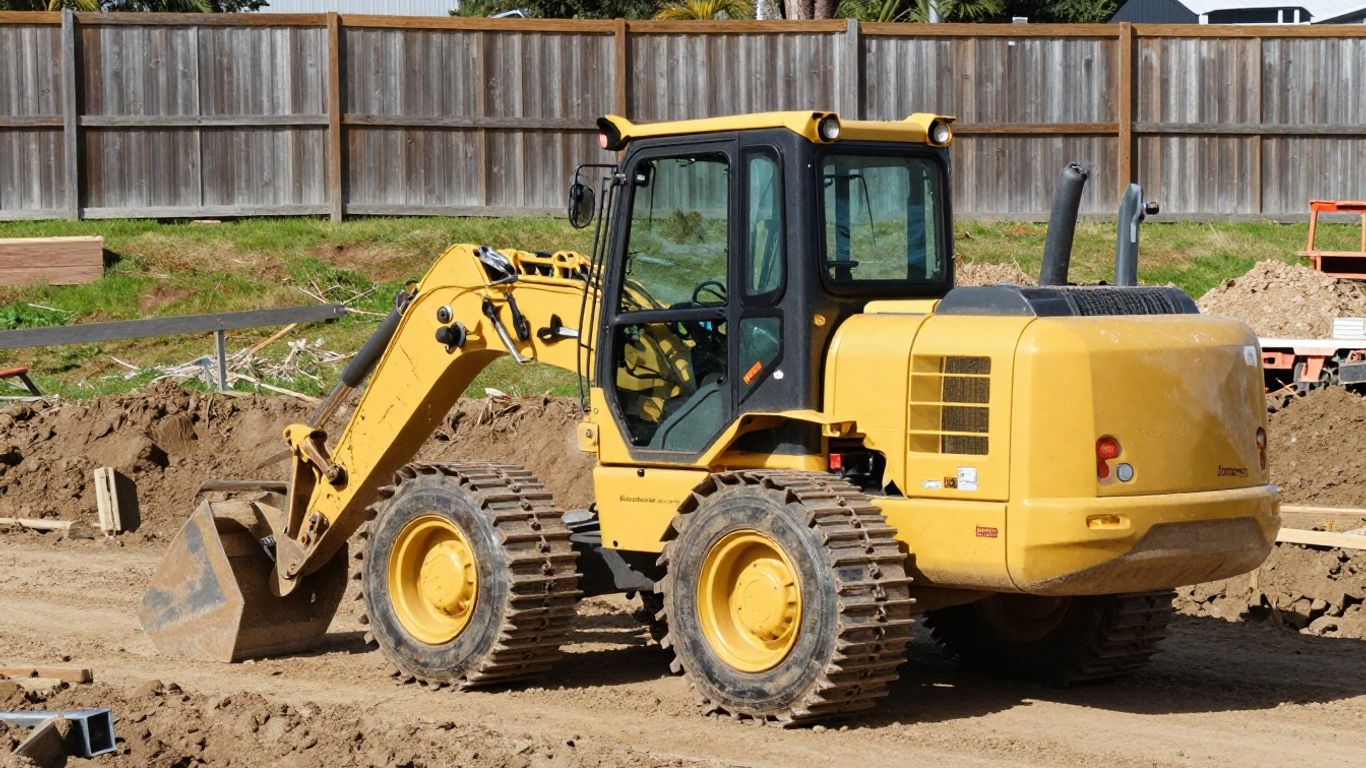
Choosing the right size machine isn't just about utility; it is about efficiency and ensuring your project stays within its original scope. A common mistake builders make is grabbing whatever is available without considering site space or the weight of the material being moved. Selecting from the correct size digger ensures you aren't paying for overkill or struggling with an undersized unit.
Micro and mini excavators for residential work
For those tight backyard projects where space is at a premium, mini excavators offer the power of a standard machine in a compact package. These are perfect for sensitive areas where you need to move dirt without causing unwanted damage to fences or established trees. Their small footprint allows them to navigate pathways that larger, bulkier equipment could never dream of reaching.
Midi excavators for medium-scale landscaping
When you move from simple garden work to medium-scale landscaping, a midi excavator provides that necessary bridge in power and reach. They hold their own on bigger residential plots, handling tasks like trenching or minor site cuts with speed. These machines are the workhorses of the residential world, balancing maneuverability with enough muscle to handle surprisingly heavy loads.
Standard excavators for heavy earthmoving
When you have genuine bulk to shift, there is no substitute for a standard, larger-frame excavator. These machines are designed for massive projects that require serious continuous output and large bucket capacities. They are the backbone of commercial site preparation where high-volume earthmoving is the only way to keep the project on track.
Choosing between wheeled and tracked machines
Deciding between tracks and wheels depends entirely on the terrain you plan to cover. Tracks offer far better traction on soft, uneven ground, which is essential for projects in the Bay of Plenty that deal with variable soil quality. Wheels are faster on hard surfaces but can easily get bogged down if the site turns into a mud pit after a bit of rain.
Considering site access and environmental constraints
Navigating narrow gateways and tight passages
Getting machinery into a backyard often feels like solving a puzzle, especially in established residential areas with tight side paths. Knowing the width of your access point is just as important as knowing the job requirements themselves. Using the right tight access excavation techniques allows you to work without needing to tear down existing structures or fences.
Managing overhead power lines and underground utilities
Before you drop a bucket into the ground, you must be 100% certain about what is hidden beneath the surface. Hitting a pipe or digging near live power lines is a serious safety risk that can halt your project instantly. Taking the time to locate services keeps workers safe and prevents what would otherwise be a total, avoidable disaster.
Assessing site stability and terrain steepness
Operating on a slope is fundamentally different from working on flat ground and requires a different approach to both safety and machinery setup. A simple mistake on steep terrain can lead to machine tip-overs or soil instability that compromises your foundation. Always assess the grade of your site carefully to ensure you aren't taking unnecessary risks with your equipment.
Minimising noise and ground disturbance in residential areas
Working in a neighborhood means being a respectful neighbour, as heavy operations can be disruptive to the local atmosphere. Efficient machines and thoughtful site planning go a long way in reducing the vibration and noise that often come with earthworks. Small, well-maintained equipment often produces a much smaller footprint, which is a big relief to those living next door.
Evaluating attachments for specialised tasks
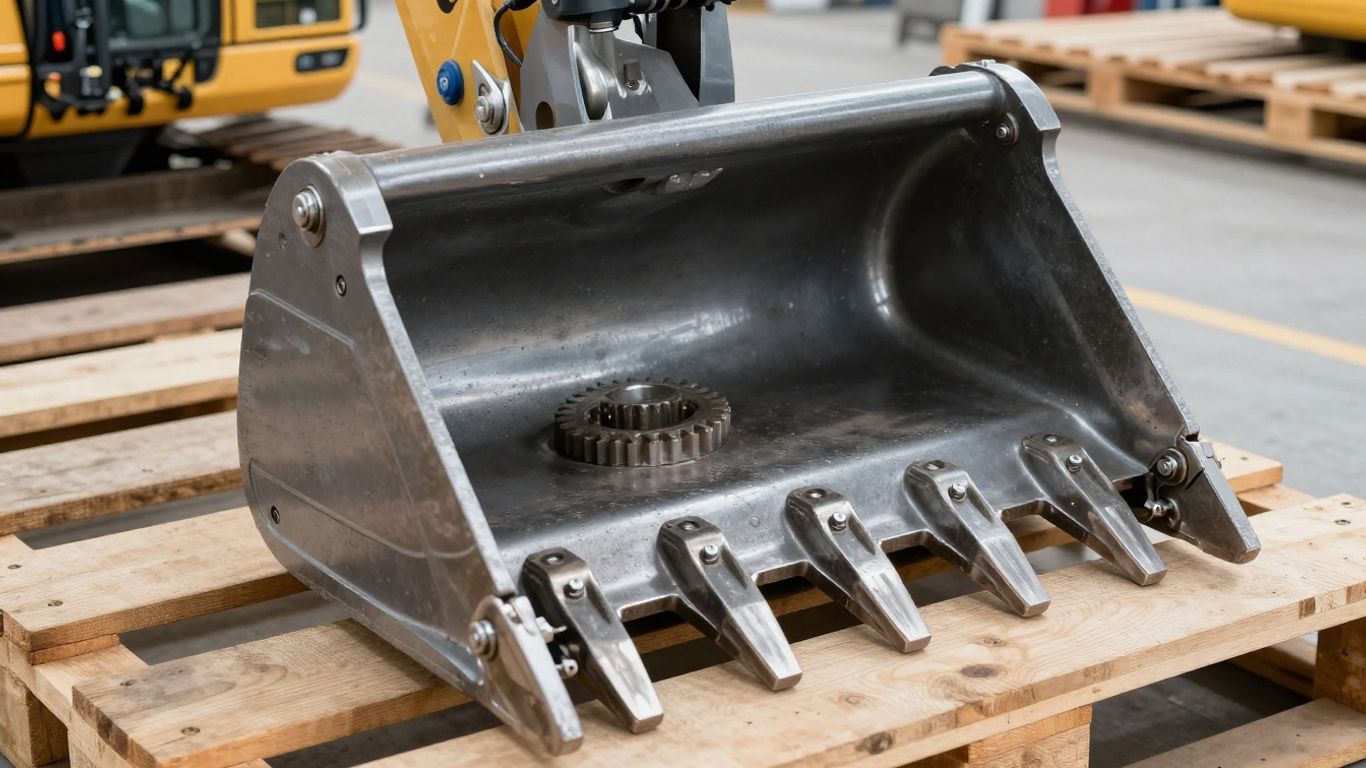
Attachments allow you to transform a standard excavator into a highly specialized tool for any specific site requirement. Using the correct piece of gear at the right moment can cut your project labor time drastically. While a standard bucket is fine for bulk loads, specialized heads like precision tiltrotators for complex jobs or hydraulic breakers are what turn a basic ditch into a refined, high-quality result.
Selecting the right bucket width and design
Matching your bucket to the trench or job at hand is a basic rule, but often overlooked in the rush to start. Using a narrow bucket for fine-tuning a trench saves you from having to backfill later, which is essentially doing the same work twice. Having a range of widths available ensures you are always using the most efficient tool.
Using hydraulic breakers for concrete demolition
Sometimes you will run into old foundations or concrete slabs that simply won't move with standard equipment. A hydraulic breaker is your best friend in these scenarios, punching through hardened surfaces so your machines can handle the resulting rubble. This is a must if you are doing residential house demolition where you need to clear the way for new footings.
Implementing tilt buckets for precision grading
If you need a perfect, laser-smooth finish on your site levels, a tilt bucket is the professional's choice. By angling the bucket without moving the entire machine, you achieve a level of accuracy that simply isn't possible with a standard fixed setup. This is a key advantage when you need to meet tight engineering tolerances for drainage and foundation work.
Utilising rippers for breaking through hard clay
When the ground is packed dense or full of clay, a ripper attachment helps you get the teeth into the earth. It essentially scores the surface, breaking the bond of the hard soil so the digging process becomes much easier. The following table provides a quick reference for common attachment pairings for typical Tauranga soil projects:
| Attachment Type | Primary Project Use | Efficiency Gain |
|---|---|---|
| Trenching Bucket | Utility and drainage | High precision |
| Hydraulic Breaker | Concrete demolition | Essential for hard materials |
| Tiltrotator | Complex grading/forming | Superior landscape finish |
Using these attachments effectively allows you to tackle diverse site conditions with confidence. By planning which tools you need alongside the excavator hire, you secure a much smoother project flow.
Comparing hire companies in Tauranga
Checking fleet age and maintenance history
Not all hire fleets are built the same, and an older, poorly maintained machine is a recipe for project downtime. When comparing providers, always ask about the age of the machinery and how they verify their maintenance records. Reliable gear breaks down less, meaning your project schedule stays intact and your costs remain predictable.
Analysing delivery and pick-up options in the Bay of Plenty
Logistics can eat into your budget if you aren't careful about how machines are moved from the depot to your specific location. Some firms offer all-in-one delivery, whereas others might expect you to manage the trailer and tow vehicle. It is helpful to clarify these costs upfront to avoid any surprise bills when the equipment finally arrives on site.
Reviewing insurance coverage and liability terms
Accidents happen, and knowing whether you are covered for machine damage or site harm is vital. Always read the fine print regarding insurance excess, as some hire deals appear cheap until you see the liability attached to them. A solid hire partner will be transparent about these terms and provide clear evidence of their coverage.
Verifying operator experience requirements
While self-hire is an option for small stuff, hiring a machine with an experienced excavation operator is often the safest bet. Professional operators understand the gear, work faster, and have an intuitive sense for the hazards that a novice might miss. The peace of mind that comes with someone who knows their job is hard to put a price on.
Safety and compliance requirements in New Zealand
Understanding WorkSafe NZ health and safety standards
Compliance is not just about paperwork; it is about ensuring everyone goes home safe at the end of the day. Familiarising yourself with the guidelines set out by WorkSafe NZ is standard practice for any serious earthworks project. These rules exist for good reason, providing a framework that standardises safety practices across the whole of New Zealand.
Completing site-specific safety inductions
Every site has its own set of dangers, from steep banks to hidden traffic routes, so an induction is a non-negotiable step. It ensures that every person on site understands the risks and knows exactly where to be and where to avoid. Taking the time to brief the team reduces the chance of near misses:
- Confirm clear communication channels between the machine operator and ground staff.
- Verify the locations of all underground services like water and fiber.
- Establish exclusion zones around the active excavation area.
- Designate clear emergency muster points for all personnel.
Having this structure in place keeps your team focused on the task without unnecessary apprehension. It helps maintain a productive work pace while respecting the inherent risks of construction.
Personal protective equipment (PPE) requirements for operators
Your gear is your final line of defense against injury, so skimping on it is never a wise strategy. A robust PPE kit typically includes high-visibility clothing, safety glasses, steel-capped boots, and hearing protection appropriate for the specific machine you are using. These items are mandatory because they really work to prevent common injuries on site.
Managing hazards and emergency procedures on site
Even with the best plans, you must have a clear procedure for when things don't go according to the book. Whether it is an unexpected utility strike or a sudden equipment fault, being prepared ensures that a problem doesn't spiral into an emergency. Knowing where the shut-off valves are and having a plan for immediate contact with emergency services keeps your response fast and effective.
Conclusion
Navigating the world of excavator hiring in Tauranga requires a clear understanding of your site, your machine needs, and the safety protocols that protect your build. By focusing on professional advice, using the right attachments for your task, and prioritizing site compliance, you ensure that your project moves forward efficiently. Whether you choose to hire machinery for a DIY effort or partner with experts for complex bulk work, proper preparation remains the most valuable asset in your toolkit as you prepare your site for development.
Frequently Asked Questions
Is a professional building permit needed to hire an excavator?
No, hiring the excavator itself does not require a building permit, but using it to modify your land or drain a site might require consent depending on the scale and nature of the work done.
What does dry hire mean compared to wet hire?
Dry hire refers to hiring only the machine itself, while wet hire includes both the excavator and an experienced operator to manage the work for you.
Are there specific height restrictions for machines on site?
Yes, you must always look out for overhead power lines and tree branches, as machines vary in height and pose a risk to utility services if operated without caution.
Can mini excavators be used inside or in confined spaces?
Yes, modern compact excavators are designed to pass through standard residential gates and work in tight backyard environments where large equipment would not fit.
How are excavation costs usually structured for hire?
Most companies charge either per hour for the machine and operator or per cubic metre for bulk work, depending on your project type and total volume.
What should I do if I suspect underground wires or pipes are present?
Before digging, you should review your property's service plans and get a professional locator survey done to prevent hitting dangerous underground infrastructure.
Do I need to be a licensed operator to use a small excavator?
In New Zealand, there is no specific license required to operate small machines, but the operator must be thoroughly trained and deemed competent by a responsible party to ensure safe use.