Key Takeaways
- Understanding the specific excavation needs for your project is the first step toward a successful build.
- Costs in 2026 are heavily influenced by site access, ground conditions, and the volume of material to be moved.
- Proper planning and early engagement of professional earthworks teams help avoid costly delays and re-work.
- Compliance with Tauranga City Council and regional environmental guidelines is a non-negotiable part of the process.
- Selecting an experienced contractor with a modern, capable fleet ensures project efficiency and site stability.
Types of excavation services in Tauranga
Effective site management relies on choosing the right techniques to prepare the earth for development. Residents and developers often face complex variables in local terrain, making professional assessment vital. Whether managing a small-scale remodel or a large commercial development, specialized machinery and experience are essential to keep progress moving steadily.
Residential land clearing and site preparation
Transforming an overgrown or uneven block into a build-ready section involves more than just removing vegetation. It requires precise earth shaping to ensure the ground is stable enough for future loading. Experts like Peard Excavation focus on preparing slab-ready pads that meet engineering requirements, saving owners from early complications.
Commercial earthmoving and bulk excavation
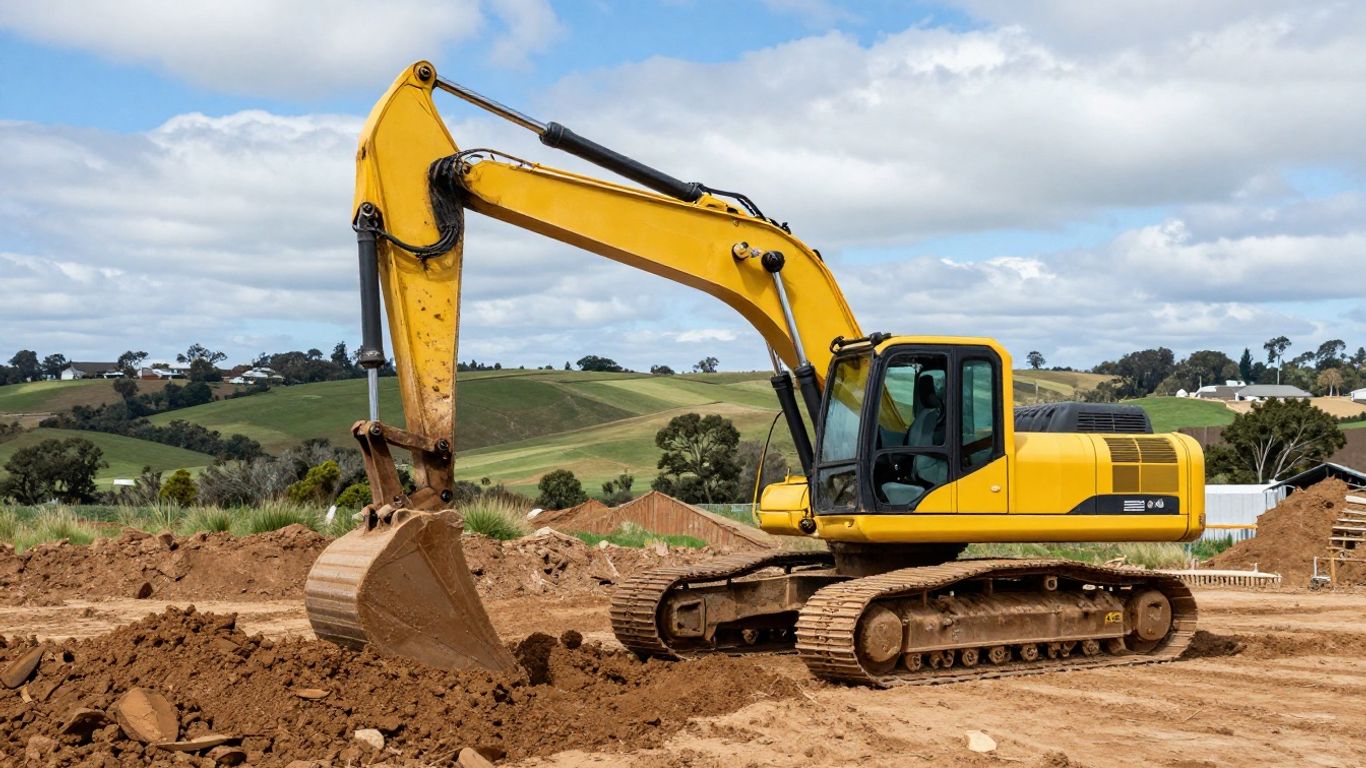
Large projects demand high-capacity equipment and efficient logistics to move thousands of cubic metres of spoil. Peard Excavation utilizes a modern fleet and laser-guided grading to maintain tight site tolerances, which keeps commercial developments on schedule and within budget.
Trenching for plumbing and utility installations
Defining the pathways for essential infrastructure necessitates accurate depth and width dimensions. Poor trenching can lead to pipe failures or future settlement issues. For a clear breakdown of trenching costs, it is wise to consult pricing guides that account for specific soil types and depth requirements.
Foundation preparation for new builds
Foundations represent the most critical component of a property’s longevity. Ensuring precision for your Tauranga foundations involves rigorous checks throughout the excavation process to prevent costly structural errors. Careful coordination between the excavator and the foundation engineer is key to a solid handover.
Cost factors for excavation in 2026
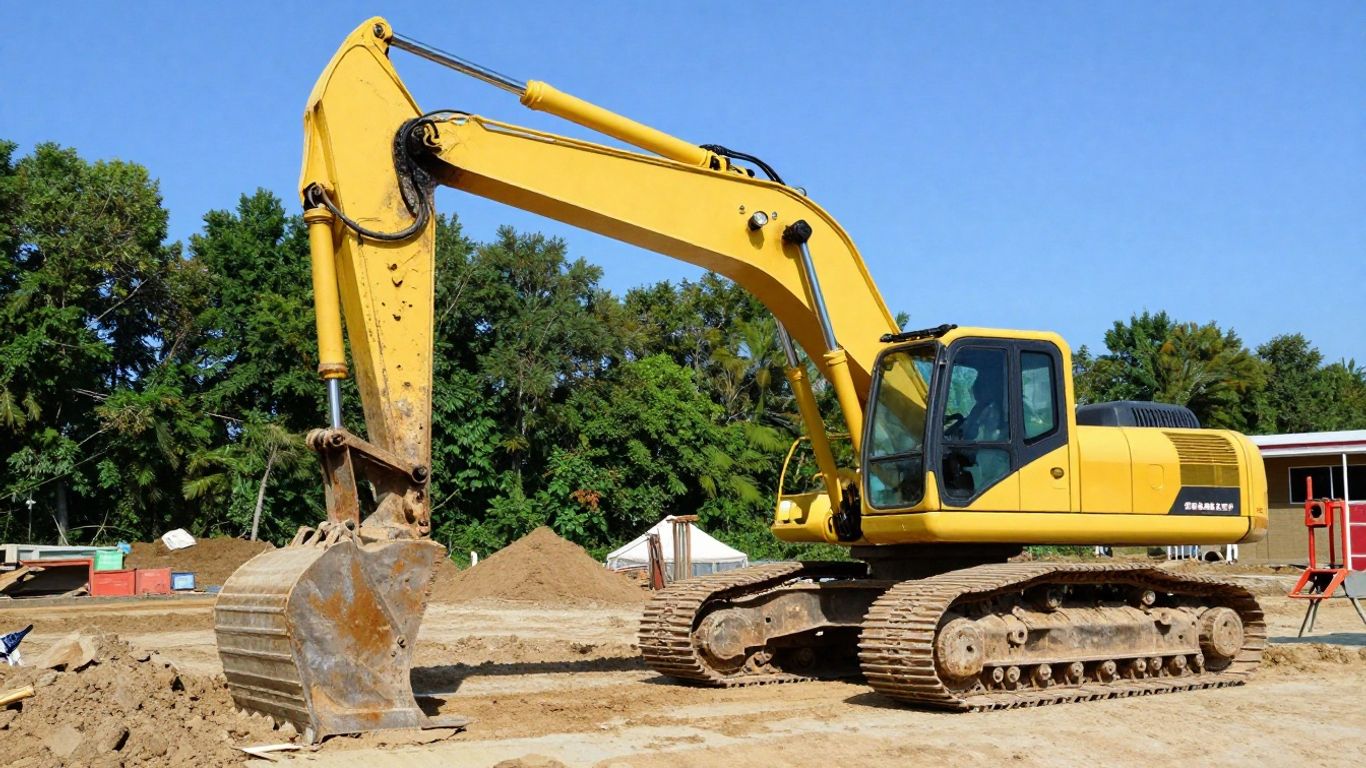
Navigating the financial landscape of earthworks can be complex, as every site has unique challenges that adjust the final tally. Understanding where your budget goes helps to avoid surprises when the primary earthmoving kicks off. You can understand excavation costs by considering the primary variables that contractors encounter on the ground.
Hourly rates versus project-based pricing
Choosing between an hourly rate and a flat bid depends on the confidence in project scope. Hourly pricing offers flexibility for smaller, unpredictable tasks, while fixed costs are usually preferred for well-defined bulk loads.
| Pricing Model | Best For | Benefit |
|---|---|---|
| Hourly Rate | Small, variable scope | Highly flexible |
| Fixed Project | Bulk earthmoving | Cost certainty |
| Time & Materials | Renovation projects | Accurate tracking |
Selecting the right model depends largely on whether the site conditions are fully understood before the machinery arrives.
Impact of soil types and ground conditions
The difficulty of digging varies significantly between loose sand, dense clay, and rocky substrates. Heavier material takes more time to load and transport, while unstable ground might require extra shoring measures before work continues.
Site accessibility and terrain challenges
TIGHT access is a common hurdle in Tauranga, often requiring specialized equipment to maneuver in cramped spaces. Navigating these constraints safely is a critical project factor that shouldn't be underestimated by builders or property owners planning their next phase.
Disposal fees and transport costs for fill material
Getting rid of excess spoil effectively is a major part of the logistics chain. Haulage distances and local dump requirements for clean fill or contaminated soil directly influence how much you spend on the back-end of the excavation project.
Planning and site preparation strategies
Preparation sets the pace for the entire construction program, from initial survey to final finish. A methodical strategy considers the environmental impact and structural load requirements of the ground, ensuring that nothing is left to chance once the digger arrives. Consulting a site feasibility assessment beforehand provides a much clearer picture of what the earth will require.
Importance of professional site surveying
Accurate maps determine exactly where the land needs to be cut or filled to reach design levels. A professional survey prevents the costly mistake of over-excavating or setting foundations in the wrong location.
Managing safety and hazard mitigation
High-stakes work requires stringent safety protocols to protect workers and neighbouring properties. Excavation inherently involves risks, which are managed through careful hazard spotting, underground utility identification, and continuous oversight of the pit.
Sediment and erosion control measures
Managing sediment runoff is a core responsibility required to keep building sites environmentally compliant. Essential preparations include:
- Installing silt fences around the perimeter of the work area.
- Constructing a stable truck wash-down bay to prevent soil tracking.
- Using sediment retention ponds for drainage management.
- Maintaining ground cover where practical to reduce erosion exposure.
These measures effectively protect local water quality and local stormwater systems during intense weather events.
Coordinating machinery logistics with subcontractors
Efficiency depends on the smooth transition between earthmoving, plumbing, and structural work. Relying on integrated teams can often prevent the common delays caused by poor communication during the handoff between site prep and primary construction phases.
Regulatory compliance and permits in the Bay of Plenty
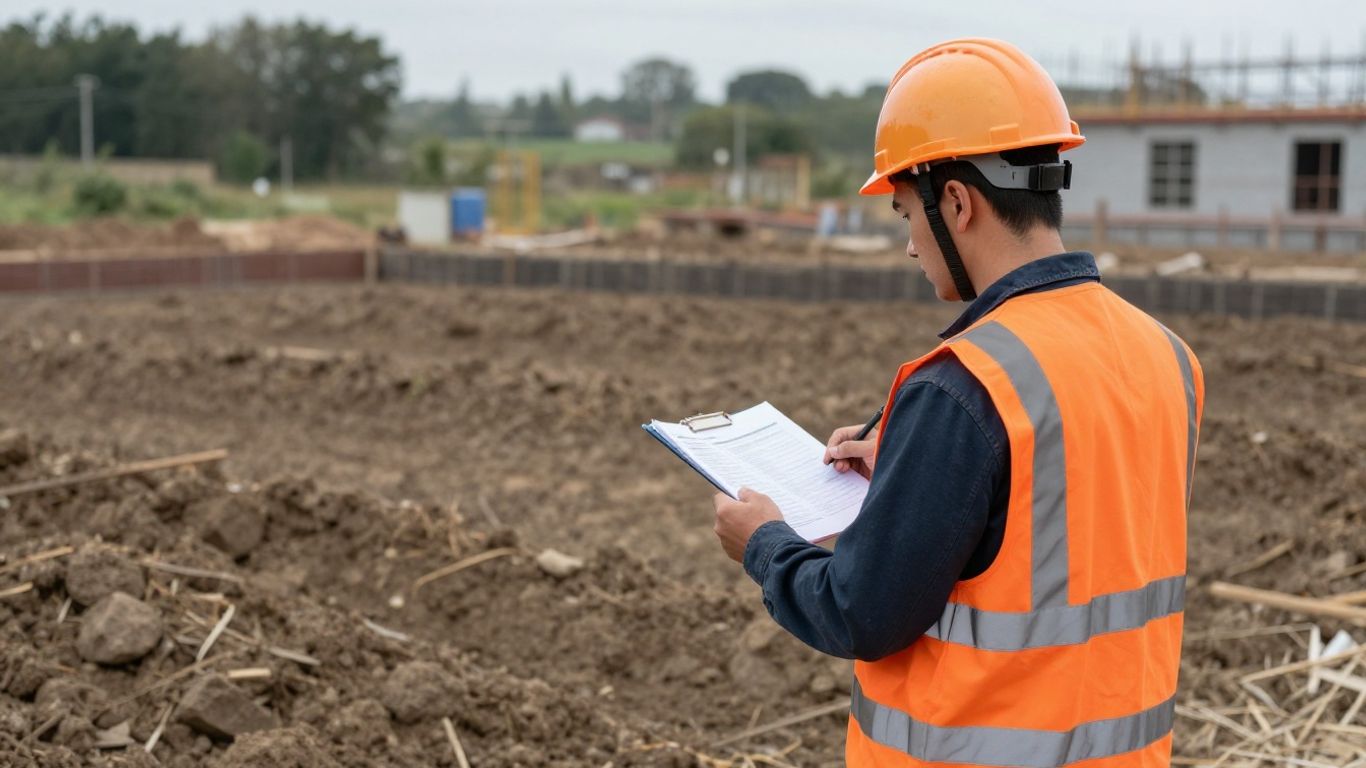
Following the rules is a foundational requirement, not just a procedural formality. Navigating the Tauranga City Council drainage rules or resource consent processes requires early engagement so the project doesn't stall later. Compliance ensures the site remains safe and legally sound throughout every phase of the development.
Navigating Tauranga City Council guidelines
Local standards are designed to protect infrastructure and property owners. Understanding these guidelines, particularly regarding stormwater and ground stability, provides a clear roadmap for your project approval.
Understanding resource consent requirements for earthworks
Depending on the volume of soil being moved and the location depth, formal resource consents may be required. Checking these requirements early helps prevent lengthy waiting times that can stop construction dead in its tracks.
Mandatory checks for underground utilities
Before breaking ground, identifying the location of pipes and cables is mandatory. This protects valuable local infrastructure and ensures that site workers remain entirely safe while operating machinery.
Compliance with environmental management plans
Environmental plans ensure that your project minimizes its footprint on local natural features. They act as a guide for managing runoff, noise, and vibration while ensuring that the site impact stays within acceptable municipal thresholds.
Selecting a professional excavation contractor
Finding the right expert is arguably the most impactful decision for your project’s success. Look for contractors who value transparency, as this often indicates how they will handle challenges when things don’t go exactly to plan on-site. The key is to find someone with both the right attitude and the correct equipment suitability for your specific tasks.
Verifying operator licensing and structural insurance
Licensing serves as an assurance of baseline competency, while structural insurance protects the owner from liability. Ensuring a contractor carries these valid credentials provides peace of mind that a professional is in charge.
Assessing fleet size and specific equipment suitability
Mismatching machinery to the job leads to inefficiency and damage. A versatile fleet should be capable of handling various tasks, from precise residential foundations to heavier commercial loads.
Reviewing experience with regional geological conditions
Experience working with the local soil landscape of the Bay of Plenty gives operators an advantage in predicting potential pitfalls. An operator familiar with regional quirks can adapt quickly, which saves time spent trying to solve standard local issues.
Evaluating local testimonials and past project references
Direct feedback from previous clients sheds light on the reality of working with a contractor. High-quality work, clear communication, and adherence to budgets are traits that consistently show up in favourable references.
What to expect during the excavation process
Knowing the rhythm of a standard earthworks project helps you understand where things stand at any given moment. Projects often experience ebb and flow, but consistent communication keeps stakeholders informed of current progress. Engaging with contractors who provide clear updates ensures that you remain in the loop while they manage site complexities.
Typical timelines for earthwork projects
Timelines are rarely fixed, but experts offer a realistic view based on site requirements. Site prep for a new house might move quickly, whereas major landscaping or basement cuts require much longer windows for completion.
Handling discovery of unexpected subsurface obstacles
It is common to unearth rocks, old foundations, or surprising drainage pipes that weren't on the original site plan. Being prepared for these surprises with a flexible budget and a calm resolution plan prevents stress when the unforeseen happens.
Effective communication protocols during construction
Regular check-ins or status reports help keep the build aligned with engineering expectations. Transparency from the earthmovers ensures that any decisions required on the run are made with the client's interests firmly at the front of the conversation.
Final site finishing and debris management
Leaving a site clean and graded correctly is the hallmark of a successful excavation. Final finishing sets the base perfectly for the builder to step in without needing extra clean-up or rework before starting the next phase of construction.
Conclusion
Successfully managing excavation in Tauranga comes down to planning early, choosing reliable partners, and staying compliant with local requirements. By investing time into understanding the groundwork before the machinery arrives, you ensure that the project is set for efficiency and stability. Whether you are building a new dream home or starting a commercial development in the Bay of Plenty, working with experienced professionals who clearly communicate their processes makes the entire experience straightforward and predictable.
Frequently Asked Questions
Do I need a professional for small residential levelling?
While simple hand digging seems straightforward, professional machinery and expertise are usually faster and more accurate for even small jobs. Professionals ensure level surfaces and proper drainage, which are difficult to achieve perfectly by hand.
How are underground pipes identified before digging?
Contractors use detailed utility location services, site plans, and visual indicators to confirm the presence of pipes and cables. Failing to verify these before starting work can lead to dangerous and expensive utility strikes.
Why does the weather matter for excavation schedules?
Heavy rainfall can saturate the ground, making it difficult to achieve compaction or finish levels accurately. Local professionals plan around the forecast to minimize delays and protect the integrity of the soil during the work period.
What happens if the excavator hits old foundations?
Discovering unexpected items is part of the job, and your contractor should stop to assess the best way to remove them safely. This situation is why maintaining a small contingency in your budget is always recommended for ground-level development.
How does soil type affect the project cost?
Sand is significantly easier to move than heavy, wet clay or volcanic rock found in certain parts of the region. The density and composition of the soil dictate how much time and machinery power are needed to achieve the required depth.
What do I need to prepare before the contractor arrives?
Ensure that the site boundaries are clearly marked and that you have all relevant site plans readily available for the team. Clearing the area of loose items and confirming access through gates or driveways helps the team get straight to work.
Are council inspections necessary for excavation?
Many earthmoving projects require specific inspections to ensure the work meets building consent and environmental standards. Always check with your local council to confirm which phases of your project require a formal sign-off before proceeding further.