Key Takeaways
Effective earthmoving requires a clear strategy that balances machine capability, site conditions, and regulatory compliance to ensure the land is ready for progress.
- Professional site preparation significantly reduces future foundation issues and construction delays.
- Selecting the right machinery, such as tiltrotators, improves precision in tight residential spaces.
- Factors like soil quality and ground access are the primary drivers of total project costs.
- Clear communication with your contractor and accurate site plans are essential for meeting project deadlines.
- Regulatory approval for erosion and sediment control must be secured early to avoid project stoppages.
Overview of earthmoving services in Tauranga
Earthmoving is the bedrock of any successful development in the Bay of Plenty, transforming raw land into a functional platform for construction. Whether you are subdividing, clearing a section, or simply adding a rural driveway, having a dedicated partner handle the groundwork prevents unnecessary friction. Professional operators understand how to balance the landscape while maintaining the integrity of the soil to support long-term structures.
Residential land clearing and site preparation
Preparing a backyard for a new build involves more than just pushing dirt around; it requires careful management of existing levels and soil quality. Experts focus on preparing a clean, compacted base that won't shift under the weight of a new house, effectively using site preparation services to ensure the foundations move forward without a hitch.
Commercial foundation excavations
Handling commercial sites demands heightened precision and deep operational experience to manage bulk cuts alongside intricate utility setups. These large sites require efficient planning to keep the workflow moving, ensuring that every load of fill is trucked out promptly or redistributed for optimal efficiency across the plot.
Retaining wall and drainage solutions
A critical aspect of land management in our region is the installation of robust retaining walls and effective water pathways. Because heavy rain events can compromise a build site, integrating drainage design directly into the excavation phase—rather than Treating it as an afterthought—is the key to a dry and stable foundation.
Rural driveways and farm track construction
Developing rural infrastructure requires specialized machinery that can navigate slopes without eroding the natural ground form. Proper track construction focuses on layering and drainage to ensure access is maintained even after heavy Bay of Plenty weather, often needing agricultural earthmoving techniques tailored to specific property layouts.
Essential machinery for local projects
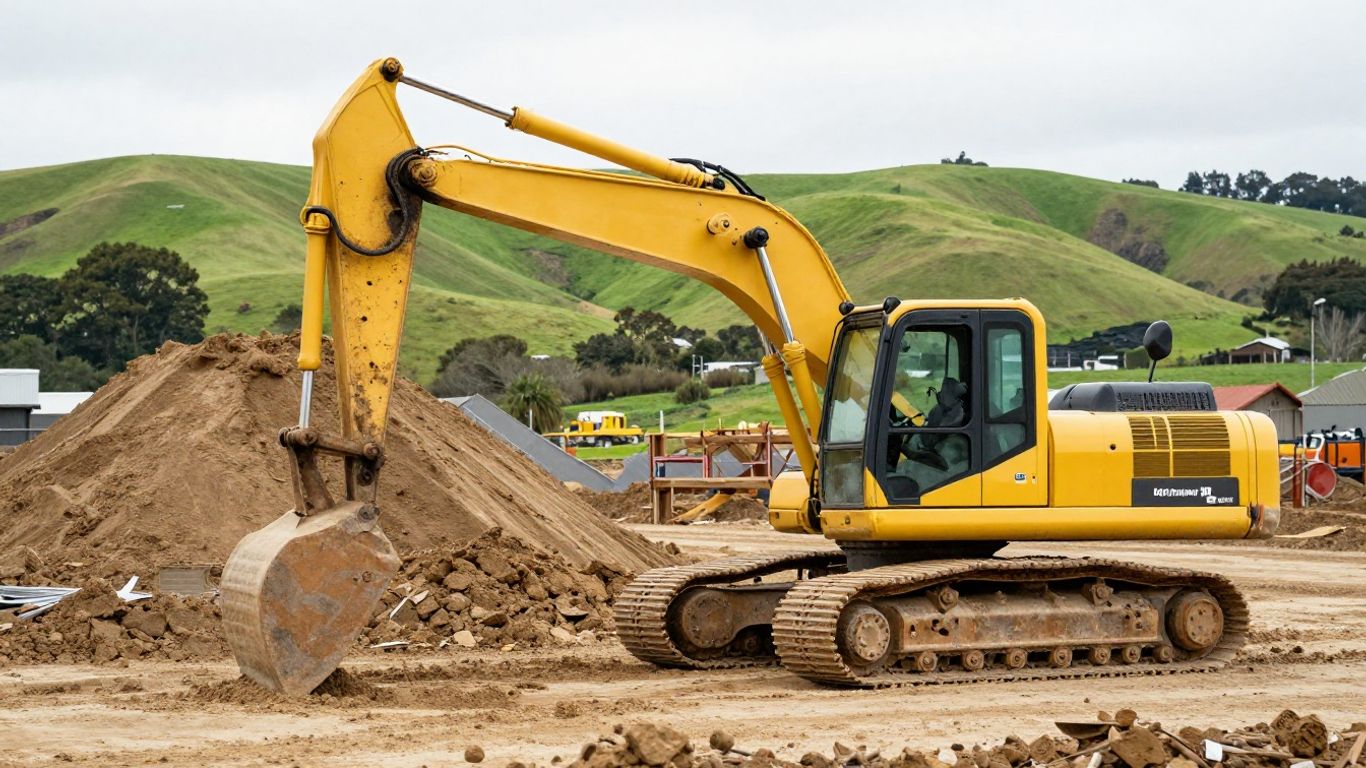
Choosing the right iron for the job determines how quickly and accurately a project reaches its next milestone. Modern heavy equipment has evolved to include attachments that turn simple digging tasks into high-precision operations, reducing the need for hand-labour and keeping budgets under control. Matching the size of the machine to the site topography is fundamental to success.
Mini excavators for tight access residential sites
When a property has limited street frontage or narrow side paths, small-footprint machines provide the ideal solution for digging without damaging adjacent fences or garden features. These agile tools allow for precise operations in constrained spaces where bulkier kit simply cannot fit.
Large-scale excavators for bulk earthmoving
On expansive commercial plots, high-capacity excavators become the workhorses that drive the project schedule through sheer power and reach. These units are designed for massive material shifting, allowing for rapid formation of large pads and deep cuttings required by regional engineering standards.
Bobcats and skid steer loaders for material shifting
These compact yet powerful machines excel at moving soil or gravel quickly across an site, acting as the primary transfer mechanism for onsite logistics. Their ability to turn on their own axis makes them invaluable for finishing work and leveling uneven ground near existing structures.
Tipper trucks and site dumpers for debris removal
Getting rid of surplus materials or waste efficiently is a logistical challenge that relies entirely on dependable truck capacity. The table below lists common machine capacities alongside their ideal use cases to help you gauge what your project might require.
| Equipment Type | Typical Capacity | Optimal Application |
|---|---|---|
| Mini Excavator | 1 - 5 Tonne | Tight residential access |
| Bulk Excavator | 12 - 20 Tonne | Large-scale land clearing |
| Site Dumper | 3 - 9 Tonne | Moving material around site |
Factors influencing total earthmoving costs
Estimating a budget for earthmoving can be complex, as unique site variables often surface once the first bucket hits the dirt. Homeowners and developers often overlook the fact that ground conditions vary wildly even between adjacent sections in Tauranga. Understanding these variables upfront helps in setting a realistic budget and avoiding the stress of mid-project financial uncertainty.
Site access and terrain difficulty
Sites that are difficult to reach or are situated on steep slopes require extra labour hours, as machinery and trucks face limited manoeuvrability. Increased time spent navigating tricky terrain is a major driver of cost, as each manoeuvre requires careful planning to maintain safety standards.
Soil type and subsurface waste disposal fees
Different soils, from sandy loam to heavy stubborn clay, change the equipment required and dictate where excavated waste must be taken. If you encounter subsurface obstacles or contaminated material, you will face higher waste disposal fees, which can quickly inflate the original estimate for spoil removal.
Equipment rental versus operator service packages
While hiring machines without an operator might seem cheaper, the hidden variables of wet hire versus dry hire often reveal that operator-led packages remain the more economical choice. Professional operators bring their own insurances, fuel, and skill sets, effectively preventing costly errors that lead to downtime.
Weather conditions and seasonal availability
Ground stability suffers in wet weather, which can stall operations if the earth becomes too saturated to work effectively. There are several ways to mitigate these risks when scheduling your work early in the season.
- Book your project during the settled summer months.
- Ensure your site drainage is managed before the rain arrives.
- Keep your timeline flexible to account for weather-related pauses.
- Confirm your contractor has adequate equipment to work in damp conditions.
Taking these steps helps maintain a consistent flow even when the weather turns unpredictable.
Estimating project timeframes in the Bay of Plenty
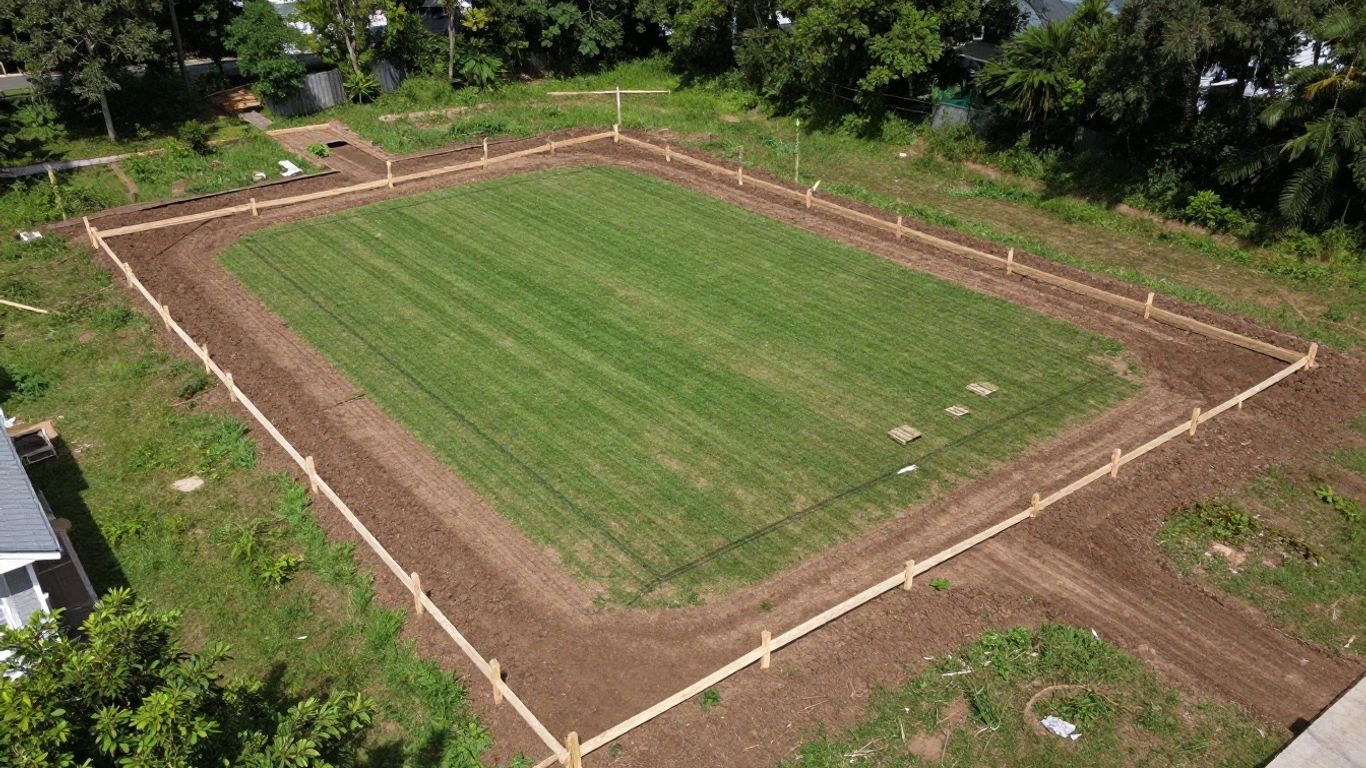
Setting a realistic schedule requires acknowledging the unpredictable factors inherent in ground preparation. Most projects hit their stride once the primary bulk excavation is completed, but the initial phase can often reveal challenges that shift the deadline. Planning for these unknowns ensures your project doesn't stall indefinitely, and following a professional site feasibility assessment can clarify the expected timeline.
Initial site surveys and project planning
Precision begins with a site visit where the specific topography is measured and compared against the engineering requirements. This stage is where you identify potential bottlenecks in your plan and align your expectations with the realities of the physical land.
Weather impact on scheduling and ground stability
Even in late summer, a sudden front can render an access track unusable, slowing down the movement of heavy vehicles significantly. Maintaining flexibility in your schedule allows for these inevitable moments where nature dictates the pace of progress rather than the clock.
Coordination with other trade contractors
Everything from plumbing to electrical trenching needs to occur while the machine is already on-site to reduce repeat mobilization costs. This orchestration requires strict communication, ensuring every contractor is arriving when the site is prepared to receive their specific components.
Managing delays caused by unforeseen site conditions
If you find buried rock or unexpected soft patches that require remediation, having a contingency plan is vital for keeping morale and progress high. It is far better to budget for two extra days of work than to find yourself under pressure when the unexpected inevitably happens.
Navigating council and environmental requirements
Compliance with regional standards is not merely a formality but a way to ensure your site avoids harsh fines and stop-work orders. Tauranga has specific requirements regarding water flow and site runoff that must be addressed before breaking ground.
Understanding Tauranga City Council resource consents
Large developments or projects near sensitive zones often trigger the need for detailed council resource consents. Navigating this process involves providing evidence that your project respects the local environment and the requirements of the Tauranga City Council drainage standards.
Erosion and sediment control implementation
Preventing silt from entering the waterways during heavy rain is a standard requirement that must be built into your construction plan. This might include using silt fences, hay bales, or designated settling ponds to trap debris before runoff leaves your site boundaries.
Cultural site awareness and heritage reporting
In many areas within the Bay of Plenty, land must be assessed for potential heritage sites or cultural objects that require respectful treatment. Professional earthmovers are trained to stop and report if anything suspicious is found, ensuring that the development proceeds with historical integrity in mind.
Compliance with health and safety regulations
Site safety is a non-negotiable set of protocols that protects everyone from workers to visitors, encompassing trench shoring and machinery fencing. Adherence to these strict rules prevents accidents and keeps your liability low throughout the duration of the project.
Preparing your site for professional earthmovers
Taking the time to prep your site properly before the heavy haulage arrives will save you a fortune in unnecessary hours on the clock. When teams like Peard Excavation arrive, having a clear and accessible site allows them to go straight to work, which avoids the awkward delays of clearing debris or finding missing boundaries.
Identifying underground utilities and services
Knowing exactly where your water, power, and telecommunications run is a critical pre-work step that prevents catastrophic service disruptions. Professional site maps should be checked, and in cases of doubt, scan the area specifically for buried lines to prevent accidents.
Establishing clear access points for heavy machinery
Clear your entrance paths to ensure that large trucks and transporters can enter and exit without having to perform dangerous, tight turns. If the entry is too narrow, you may need temporary reinforcement to allow for the weight of larger machinery.
Clearing vegetation and marking site boundaries
Defining boundaries with clear line markers helps the operator understand the precise limits of the area needing excavation. Removing dense scrub ahead of time allows for cleaner cuts and provides a much clearer picture of the final grades.
Communicating project goals and final site levels
Discussing the final desired levels with your contractor ensures that the cut and fill balance is calculated to minimize the need to truck expensive material on or off-site. When all parties have a clear vision before the engines start, the outcome is usually smoother, faster, and much closer to the planned budget.
Conclusion
Successfully navigating earthmoving in Tauranga comes down to choosing partners who value transparency and precision, ensuring your project arrives at its next phase on time and with minimal disruption. By focusing on detailed site preparation, planning for environmental requirements, and keeping clear communication lines open with your chosen, capable operators, you avoid the common pitfalls that often plague residential and commercial developments. Whether you are prepping for a simple backyard pool or a full-scale commercial build, the effort invested into the initial underground works is the single most important action for ensuring your long-term project success.
Frequently Asked Questions
Do I need a building consent for all earthwork jobs?
Not every job requires a consent, but any work involving significant changes to earth levels or drainage near structural boundaries often requires you to consult with local council guidelines.
How long does an average site excavation take?
Small residential sites might be prepped in one or two days, whereas complex commercial projects or subdivisions can take several weeks depending on the soil conditions and scope.
What can I do to keep costs low?
Clear your own vegetation, provide unrestricted access for machinery, and ensure your site plans are completed and shared with your contractor well before they arrive on site.
Why is drainage considered so important for earthworks?
Without effective drainage, water can collect at the base of your foundation, potentially leading to ground instability, soil erosion, and significant structural failures over time.
Is it safer to hire wet or dry equipment?
Getting a machine with a professional operator is typically safer and more economical, as they bring experience, specialized insurance, and efficiency that reduces the need for costly re-work.
How are underground services located before work begins?
Public records provide a starting point, but on-site electronic scanning tools are often required to pinpoint exact pipe and cable locations before an excavator moves a single bucket of dirt.
What happens if we find rock while excavating?
Unforeseen rock can significantly impact your project budget and timeframe, which is why a professional site feasibility assessment is highly recommended before finalizing any work contracts.