Key Takeaways
Properly assessing your land before breaking ground is the most effective way to protect your budget and project timeline. Careful due diligence ensures you avoid hidden traps and stay compliant with New Zealand's unique regulatory environment.
- Early identification of geological constraints prevents costly mid-project redesigns.
- Understanding local council district plans is a mandatory prerequisite for any earthworks.
- Integrated site management models often eliminate the need for complex sub-contractor chains.
- Environmental compliance requires proactive sediment control, not just reactive cleanup.
- Accurate financial modeling must account for soil composition and potential remediation needs.
Regulatory and zoning requirements
Navigating the bureaucratic landscape is the first hurdle in any development project. Developers must align site plans with regional requirements to avoid significant delays during the later stages of construction.
Local council district plans and zoning codes
Council rules dictate exactly what can be built and where on your specific lot. It is essential to review your property’s zoning designation early, as land density requirements often impose rigid constraints on building footprints. Obtaining a professional site feasibility assessment at this stage helps clarify these boundaries.
Resource consent implications for earthworks
Most excavation projects in New Zealand require resource consent if they surpass standard volume thresholds or are located in sensitive zones. Failing to secure the necessary approvals for earth movement can lead to stop-work orders and significant fines. Developers should work closely with the council to ensure that all planned intensity aligns with current regional development strategies.
National environmental standards for managing soil
National standards govern how soil is tested, handled, and potentially removed from a site if contamination is suspected. Developers must perform thorough checks for legacy contaminants that might be present in older residential or agricultural land. Adherence to these standards is not optional and must be documented as part of your project's environmental compliance permit.
Site geology and geotechnical investigation
Ground conditions dictate the feasibility of almost every aspect of your build, from foundation types to budget allocation. Ignoring what lies beneath the surface is a common mistake that leads to massive cost overruns.
Importance of soil density and composition testing
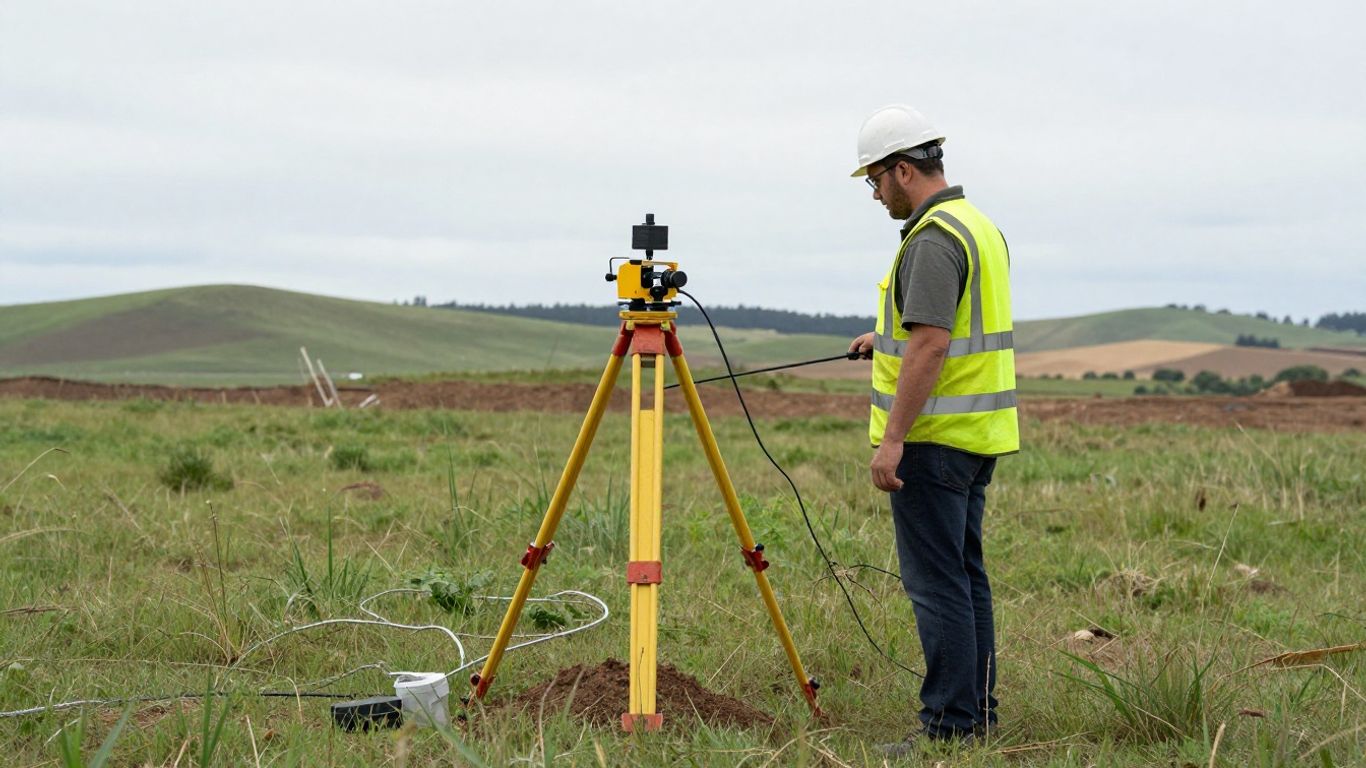
Soil testing provides the engineering data required to design safe foundations. Without this, you lack a baseline for your site's load-bearing capacity, which is vital for structural integrity. Peard Excavation relies on certified geotechnical reports to ensure every foundation cut meets local safety requirements.
Identifying groundwater levels and drainage risks
High water tables can jeopardize your excavation site by causing instability and potential flooding during construction. Identifying the seasonal variance in water levels allows you to plan for effective subterranean drainage or dewatering systems. Proper water management ensures your project remains viable regardless of the weather conditions.
Potential impacts of rock strata on excavation costs
Unexpected rock encounters are a leading cause of budget volatility in the industry. Hard rock strata require specialized machinery that can significantly increase the daily operational cost of a project. Conduct sufficient site probes to understand the geological profile before finalizing your construction contracts.
Assessing slope stability for hilly terrain
Building on sloped land requires a keen understanding of soil mechanics and potential slip hazards. A geotechnical professional must inspect the terrain for signs of previous movement or structural weakness. This assessment prevents the risk of catastrophic ground failure once heavy structures are added to the slope.
Infrastructure and utility considerations
Connecting a new development to city services is a complex technical process that starts with clear mapping of the site. A thorough infrastructure plan prevents the disruption of essential services during your earthworks phase.
Locating existing subsurface utility lines
| Utility Type | Typical Depth | High-Risk Indicator |
|---|---|---|
| Power Lines | 600mm - 1000mm | Proximity to transformer |
| Water Mains | 750mm - 1200mm | Valve markers on curb |
| Communications | 300mm - 600mm | Buried warning tape |
Mapping your site before machine arrival is critical for worker safety and project continuity. Damaging critical infrastructure can result in significant legal liabilities and expensive emergency repairs that stifle momentum.
Managing stormwater and erosion control systems
Effective stormwater management ensures that runoff does not impact your neighbors or municipal drain systems. Systems must be designed to accommodate peak rainfall events common to the New Zealand climate. Investing in reliable drainage and compaction is the only way to safeguard your long-term infrastructure investment against rapid erosion.
Connectivity requirements for sewage and power connections
Connecting to the main grid requires strict adherence to utility-specific standards for trench depth, bedding, and backfill. Coordinating these connections early simplifies the final utility handoff. Peard Excavation manages these integrations alongside site work to provide a streamlined, single-point project delivery for property developers.
Environmental and cultural impact
Development must respect the local context, including both ecological preservation and cultural heritage. Proactive stewardship remains a core responsibility for any reputable developer.
Protecting archaeological sites and iwi interests
Cultural heritage is a vital part of New Zealand land, and sites can sometimes hold historical significance known only to local iwi. Engaging with local representatives early ensures your development avoids disturbing valued cultural landmarks. This respect is not only a moral duty but a regulatory requirement when developing significant tracts of land.
Managing silt runoff to prevent waterway contamination
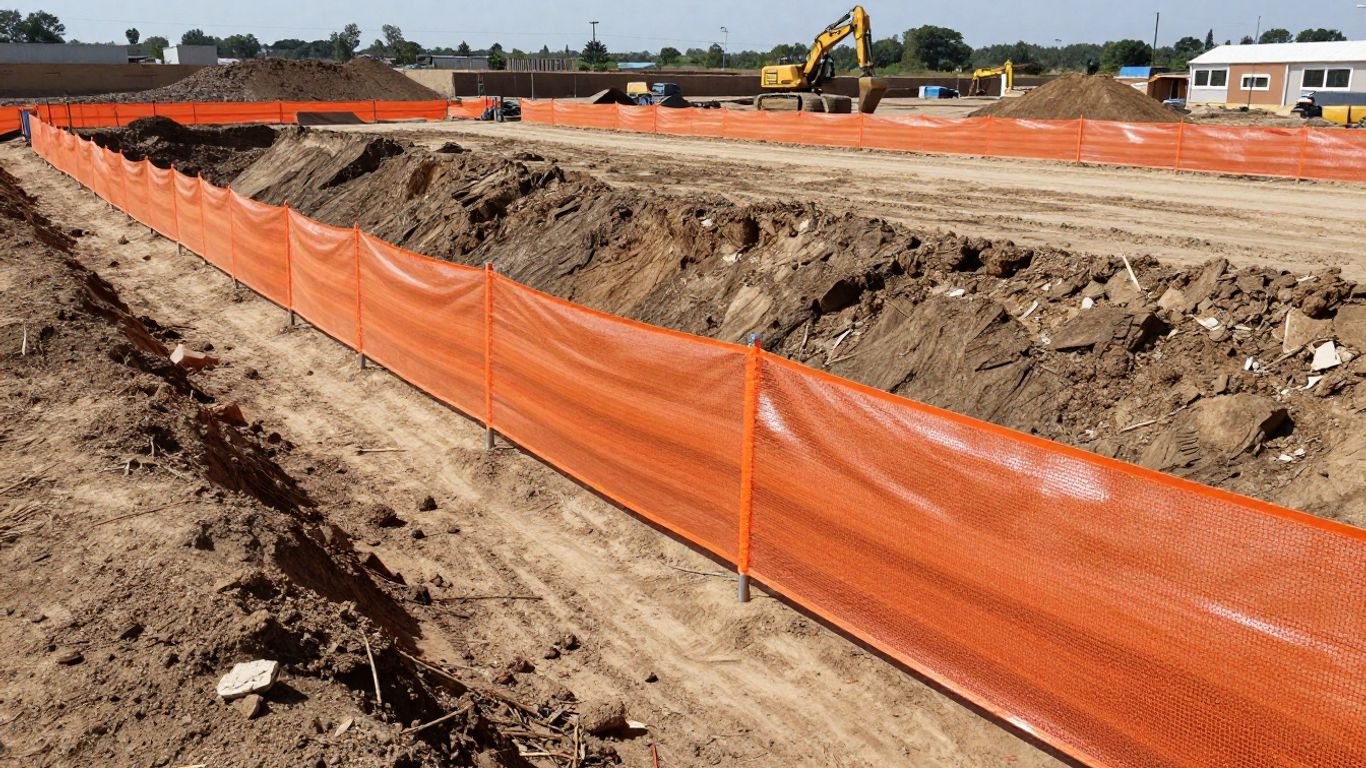
Sediment discharge is a major regulatory concern for inland and coastal developments. You must implement robust systems to trap silt before rain events sweep it into the local storm system. Professional sediment and erosion control services provide the council-compliant equipment needed to keep your site clean and sustainable.
Dust and noise mitigation strategies for residential zones
Construction in urban areas requires constant vigilance against noise and air pollution. Implementing schedules that avoid early mornings and keeping site roads dampened are standard practices for being a good neighbor. These simple logistics help maintain community alignment and avoid unnecessary complaints affecting your timeline.
Financial feasibility and cost estimation
Precise estimation separates successful projects from stalled endeavors. Every cubic meter of soil moved carries an associated cost that must be scrutinized against your bottom line.
Calculating earthworks volumes and transport costs
- Fuel consumption rates for heavy machinery cycles
- Loading time required for bulk material removal
- Waste disposal fees at regional managed fill sites
- Contingency buffers for material weight fluctuations
Accurate volume calculation minimizes the risk of hiring too many trucks or falling behind on removal tasks. A consultant's field guide to excavation jargon can help you understand the terminology applied in your quotes, ensuring you are not over-paying for standard earthmoving tasks.
Budgeting for unexpected site remediation requirements
Remediation should always be a provision in your budget, as ground conditions can rarely be predicted with 100% accuracy. Set aside a percentage of your total excavation budget to cover unforeseen soil issues or foundation adjustments. Having this buffer ready provides the flexibility needed to act quickly when challenges arise.
Comparing mechanized versus manual excavation methods
High-tech machinery typically outperforms manual labor in both speed and cost on any site larger than a garden shed. Peard Excavation utilizes modern technology like 360° tiltrotators to handle tight access and complex ground profiles that manual methods simply could not manage safely. Choosing the right machinery profile is paramount to keeping your total cost estimation on track.
Engaging professional consultants
Expertise is your best asset when dealing with site-specific construction challenges. Coordination with professionals who hold local operational knowledge is invaluable.
Selecting a qualified geotechnical engineer
A geotechnical engineer provides the foundational validation for every design choice you make on site. Their input is the first line of defense against future structural failure and essential for council permit approval. Always verify the experience level of your consultant regarding New Zealand soil compositions.
Working with licensed surveyors for site plans
Accurate site plans are the blueprints upon which your entire project success is built. Licensed surveyors define your exact working envelope, ensuring buildings are located precisely where they are legally permitted. This clarity prevents expensive boundary disputes and potential demolition orders.
Coordinating project management between contractors and councils
Communication gaps often turn small site problems into major budget crises. Entrusting Peard Excavation to manage the full earthworks process ensures that site-cut, drainage, and final grading are handled by one accountable team. This integrated model removes the need for middle-management and aligns all onsite tasks with council inspections seamlessly.
Conclusion
Successful land development rests on the quality of your pre-construction research and the reliability of your chosen excavation team. By systematically navigating regulatory, geological, and financial complexities, you position your project for longevity and build value into your property from the very first day. With early expert engagement and a focus on compliant, high-precision site preparation, you ensure that your investment is supported by a foundation that truly lasts.
Frequently Asked Questions
Why is a site feasibility study necessary for property developers?
It provides an early look at hidden costs, regulatory blocks, and technical constraints before you commit financial resources to land purchase or design.
What are the main geological risks in New Zealand excavation?
Common risks include unstable slope conditions, high water tables affecting drainage, and the unexpected presence of hard rock strata that complicates standard earthmoving.
How does soil composition affect the total excavation cost?
Variations in soil density and composition impact how long it takes to excavate, what type of machinery is required, and how much material must be transported off-site.
What are the legal consequences of ignoring local council zoning codes?
Developers may face stop-work orders, the removal of non-compliant structures, hefty environmental fines, and the complete revocation of project permits.
How do you mitigate dust on an active construction site?
Site managers use techniques such as applying water sprays to traffic lanes, installing perimeter screening, and covering stockpiles of spoil during high-wind conditions.
Are professional geotechnical tests mandatory for every development?
In professional development projects, they are largely essential for gaining council resource consent and for structural engineers to guarantee the safety of your foundation designs.
How does rainfall impact an excavation project's progress?
Heavy rain can saturate the subgrade, destabilize slopes, and necessitate the use of advanced sediment control to stop runoff, all of which generally delay project scheduling.