Key Takeaways
Finding the right earthmoving partner can make or break your construction project, so choosing someone with local expertise is essential. These highlights offer a quick overview of what you need to consider before breaking ground.
- Prioritise contractors with specific experience in Tauranga's unique soil profiles.
- Always ensure your excavation service manages drainage and utility trenching from day one.
- Verify all trade certifications and request past project portfolios to assess work quality.
- Secure a transparent, fixed-scope quote to avoid mid-project cost blowouts.
- Confirm that the contractor uses modern, maintained machinery suited for the scale of your site.
Understanding your project requirements
Residential site preparation for new builds
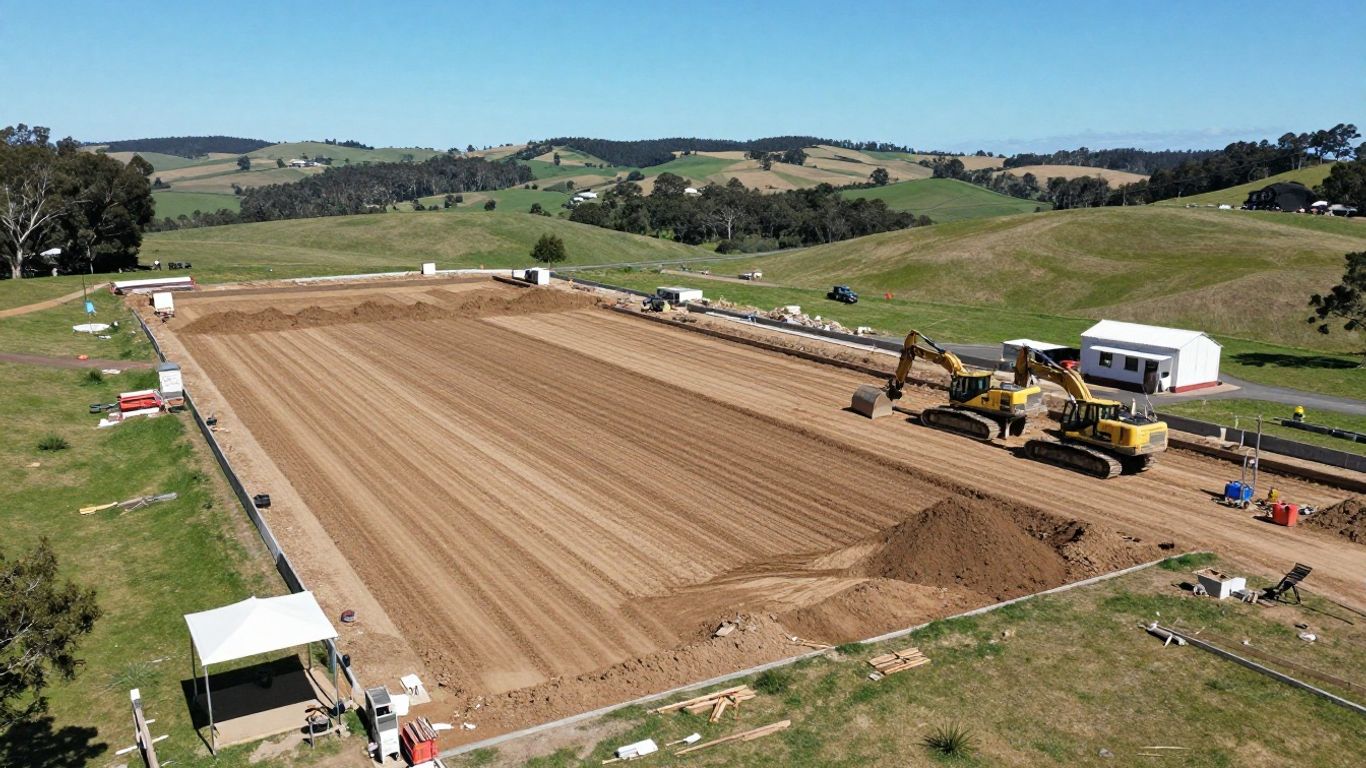
Getting a building platform right from the start is non-negotiable if you want to avoid structural headaches later on. When preparing for a residential build, you need a firm that understands how to clear land, establish stable levels, and prep the ground for a slab. Peard Excavation specialises in residential site preparation, ensuring that the ground is cut and ready to meet specific engineering requirements without unnecessary delays.
Commercial foundation and civil works
Commercial projects shift the goalposts regarding scale and precision, requiring gear that can handle large-scale bulk excavation. You need to verify that your chosen firm has the capacity to move mass quantities while sticking to tight structural tolerances.
Essential drainage and utility trenching needs
Water management is the silent protector of your property, and failing to account for it early can lead to expensive remediation. A professional approach integrates internal plumbing and drainage systems to ensure that your site stays dry and compliant with council infrastructure standards.
Landscaping and land contouring requirements
Shaping your land isn't just about digging; it's about aesthetics and long-term water flow. Whether you are dealing with a steep slope or need level ground for a backyard, professional earthmoving creates a blank canvas for your final landscaping vision.
Key qualifications to look for in local contractors
Verification of relevant trade certifications
Construction isn't the field for amateur guesswork, especially when you are putting heavy machinery on residential land. Always look for contractors who have documented trade certifications in earthmoving and civil engineering, which guarantees they follow the industry's best practices for ground stability and safety.
Reputation within the Bay of Plenty community
Word travels fast in a regional market, making a solid local reputation one of your best indicators of reliability. A contractor who has built up success stories over years of local work will be far more invested in your project's outcome than someone passing through.
Experience with local soil types and terrain
Tauranga's terrain varies wildly, from sandy coastal spots to heavy clay inland. Having a contractor who knows how these specific soil types react during rainy seasons is vital for preventing site failures or costly delays due to poor drainage.
Evidence of successful past project portfolios
Before you sign a contract, ask to see their previous results. Looking at projects that are similar in scale and challenge to yours allows you to gauge how the team handles specific technical requirements like foundations or retaining walls.
Navigating local permits and council regulations in Tauranga
Working within Tauranga City Council guidelines
Local councils often have specific rules about movement of soil and site impact that can catch property owners off guard. You need a contractor who is well-versed in Tauranga City Council regulations to ensure every part of the earthworks phase remains fully compliant and avoids potential stop-work notices.
Importance of resource consent documentation
Documentation is the backbone of any legal project, specifically for resource consents that dictate how your site can be altered. Missing the right paperwork can shut down a site immediately, so rely on contractors who handle the coordination of these documents with local authorities.
Coordinating with environmental and erosion control plans
Protecting the environment isn't just a regulatory hoop to jump through; it keeps your site stable. Implementing sediment control solutions prevents topsoil runoff and protects local storm drains during heavy rain cycles.
Insurance requirements for earthmoving and site works
Operating excavators and trucks carries inherent risk, and you must confirm your contractor carries appropriate professional indemnity and public liability insurance. Never assume that the basic insurance cover is enough; verify that they are insured specifically for excavation work.
Requesting and comparing quotes for earthworks
Providing accurate site plans for scope estimation
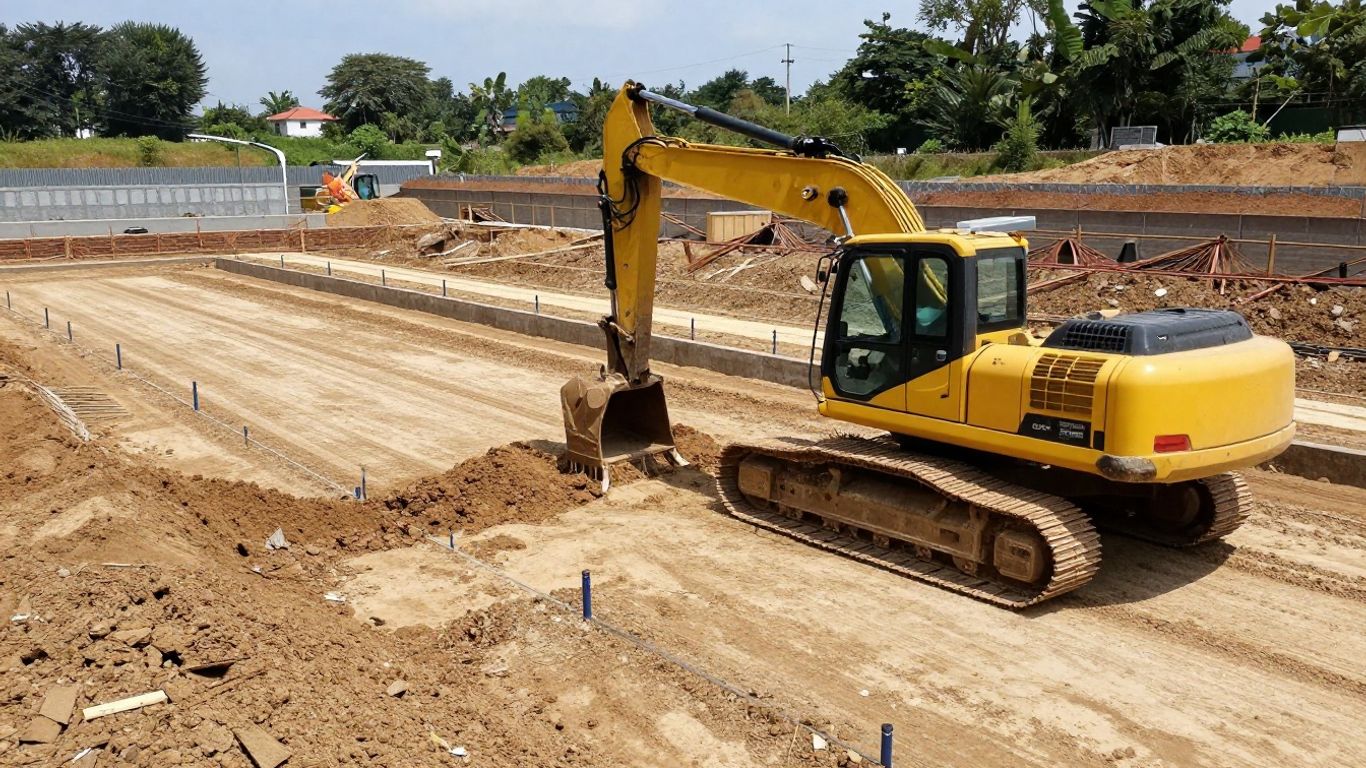
If you want an accurate quote, don't leave room for ambiguity in your site plans. Providing clear, engineer-approved documents allows the earthmover to calculate the exact volume of work required, saving you from receiving low-ball estimates that swell once work begins.
Identifying hidden costs in earthmoving estimates
Watch out for quotes that focus only on the hourly rate of the machine without accounting for things like spoil removal, site clearance, or dumping fees. Peard Excavation believes in transparent costing so you know exactly what the job covers before the tracks even arrive.
Balancing cost against project quality and speed
It is tempting to go for the cheapest quote, but in earthworks, that often leads to shortcuts in compaction or incorrect site levels. Aim for the best overall value by looking at how their equipment and experience might save you time on the eventual build.
Clarity in contractual service agreements
A good contract shouldn't be a riddle. Ensure your agreement clearly defines the start date, the expected progress milestones, and the specific responsibilities of the contractor regarding site cleanup and debris removal.
Assessing project equipment and safety standards
Matching machine sizes to site access constraints
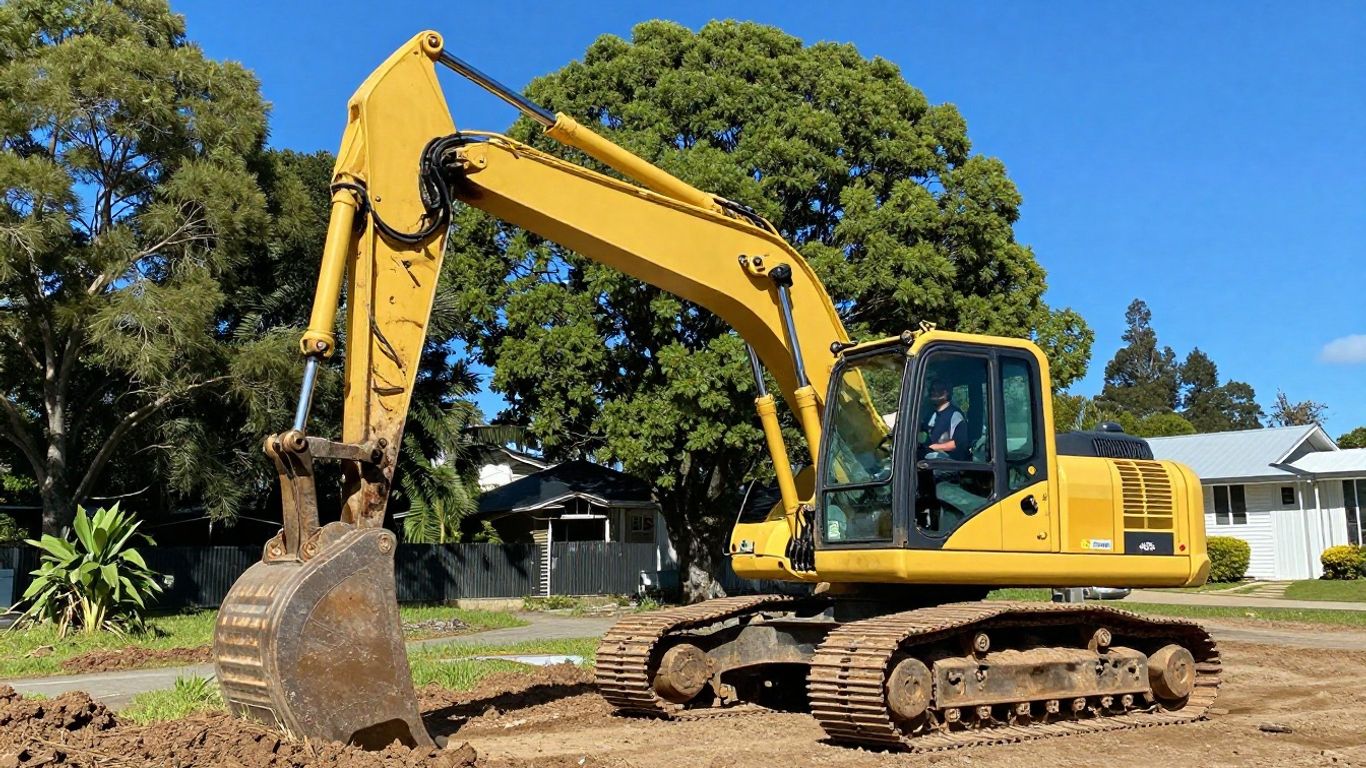
Using an excavator that is too large for your access points will result in a destroyed fence or, worse, restricted work. You need a fleet that offers tight-access machinery for small sections while still retaining enough power to get the job done properly.
Operator expertise and health and safety compliance
Safety is the absolute priority on any site, so it pays to ask about how they manage daily site hazards and operator training. Modern sites depend on highly trained staff, not just the machinery itself.
Maintenance cycles for high-performance machinery
Mechanical failure on an active site is a nightmare for your timeline, often causing long delays until parts arrive. You can generally tell the quality of a firm by the condition of the gear they bring to your door.
Protocols for managing site access and debris removal
Effective site management involves a structured approach to keeping the site clean and accessible for other trades. The following table highlights common machine size considerations for typical Bay of Plenty urban sites:
| Machine Application | Size Constraint | Primary Utility |
|---|---|---|
| Limited Access | 1.5 - 3 Tonne | Fits through standard gates |
| Standard Residential | 5 - 8 Tonne | Balance of power and reach |
| Large Civil/Bulk | 12+ Tonne | High-volume loading and moving |
Selecting the right machinery ensures that your site stays functional for other contractors, such as framers or plumbers, who need clear access to complete their work efficiently.
Managing the site preparation timeline effectively
Planning for weather delays in the Bay of Plenty
The region is known for its unpredictable weather patterns, which can stop heavy earthworks in their tracks. A realistic timeline always includes buffer days specifically for heavy rainfall to avoid working in unsuitable ground conditions.
Staging site works to accommodate other trades
Coordinating your site works requires a strategy that doesn't block other progress. Peard Excavation integrates their team to manage excavation and drainage in one go, which helps prevent split accountability and keeps your schedule moving smoothly.
Setting realistic milestones for large-scale excavation
Break your project into manageable chunks that reflect the nature of the work. Following a clear schedule allows you to see exactly where you stand against the budget and project targets. Please consider these steps for effective site flow:
- Conduct a full site feasibility assessment to identify early potential project hurdles.
- Coordinate initial site clearance and vegetation removal with utility location services.
- Complete bulk earthworks and level the primary foundation pad to survey pegs.
- Finalise drainage, trenching, and ground compaction to sign-off standards.
Maintaining open communication throughout the process
Ongoing communication is what turns a high-stress job into a predictable one. Don't be afraid to ask for regular updates and photos, especially if you aren't on-site every day, to ensure the final result aligns with your initial plans.
Conclusion
Selecting the right earthworks partner is a cornerstone decision for any property venture, and Tauranga offers plenty of capable options if you know what to look for. By focusing on experience, transparent communication, and technical capability, you create the best foundation for a successful build. Taking the time to properly vet your contractor today ensures that you are standing on solid ground, quite literally, for years to come.
Frequently Asked Questions
How much do earthmoving contractors charge in Tauranga?
Costs depend entirely on the scale of your project, the ground conditions, and the volume of heavy machinery required to move soil. Most contractors will provide an estimate based on a site visit, so getting an on-site feasibility review is the best way to get a realistic price.
What does site preparation include?
Site preparation typically includes clearing vegetation, excavating building pads, ensuring the soil is compacted to structural standards, and installing initial drainage systems. It essentially moves your site from raw land to a state where building can begin immediately.
How long does the average site excavation take?
Small residential site cuts can often be handled in a few days, while larger commercial earthworks or subdivision projects can take weeks or months. Unexpected weather or complex ground conditions like rock are the two biggest factors that influence your project duration.
Do I need a permit for minor earthmoving work?
Even minor changes to your land's topography can require council consent in some zones, especially if you are altering drainage or working near boundaries. Always verify the regulations in your specific Tauranga City Council zone before anyone touches the soil.
Why is laser-guided grading important?
Laser-guided systems ensure that your foundation or driveway pad is dead-level and accurate to within a few millimetres. Skipping this technology might seem cheaper upfront, but it can lead to massive headaches when you try to lay concrete or install flooring later.
Can earthmoving be done in the rain?
While some work might be possible in light drizzle, heavy rain turns most soils into mud that cannot be compacted correctly. Experienced contractors will avoid working in saturated conditions to protect the structural integrity of your building's future foundation.
Should I arrange my own spoil removal?
Most professional contractors include spoil removal as part of their service package to ensure the site stays clean and tidy. If you try to manage it separately, you might struggle with council dumping requirements and potential delays in finding a suitable disposal site.