Key Takeaways
Choosing the right earthmoving partner requires a clear understanding of your site needs and the contractor's technical capabilities. Here are the essential takeaways to ensure your project stays on track and within budget.
- Prioritise companies with deep local knowledge of Bay of Plenty soil types and regional regulations.
- Verify that your contractor manages projects in-house to avoid the common delays associated with multiple subcontractors.
- Ensure the machinery fleet includes modern, specialized attachments capable of handling your specific site geometry.
- Always require transparent reporting on project variations, cost adjustments, and progress tracking.
- Conduct firsthand site visits to completed projects to verify the contractor's actual work quality.
Understanding your specific earthmoving requirements
Identifying the scope of residential versus commercial excavation
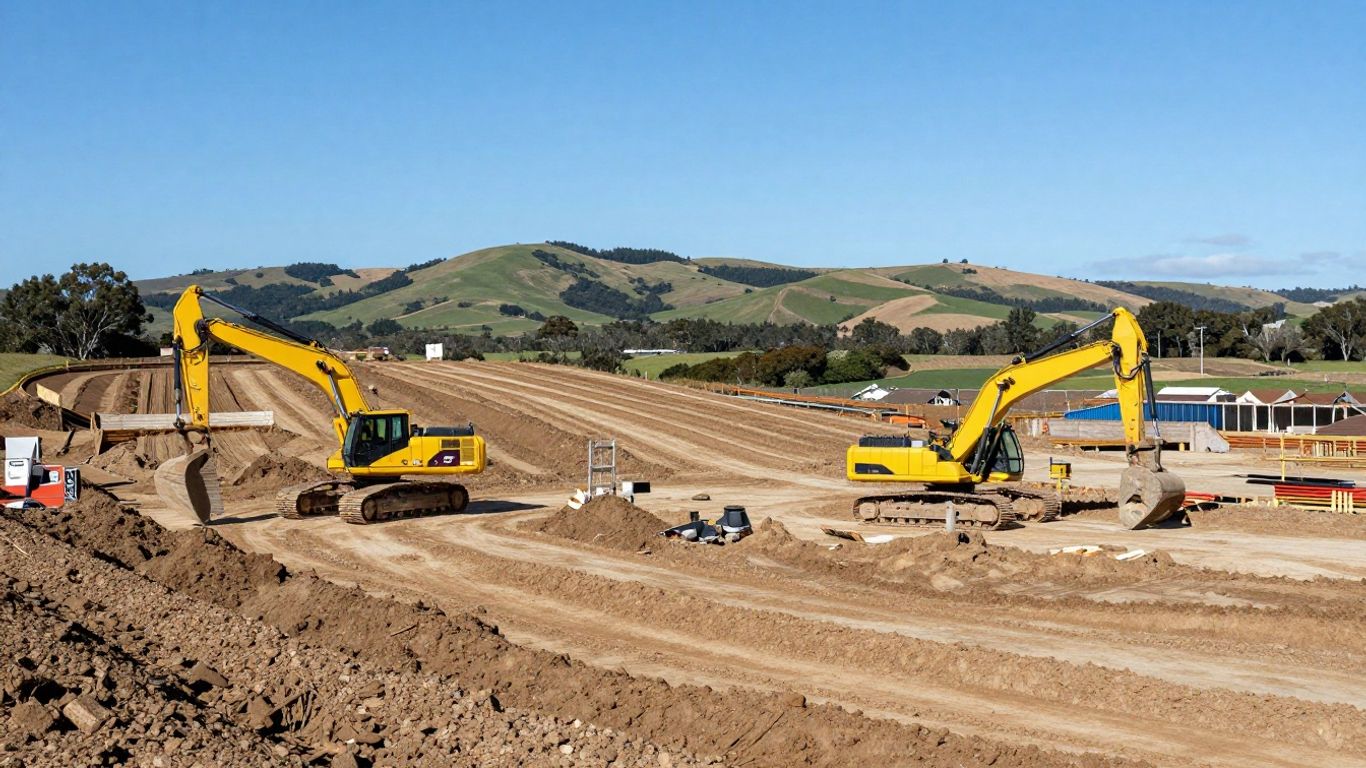
Every build site presents unique constraints that dictate whether you need specialized detailed excavation for precise footings or mass bulk earthmoving for a large development. Understanding whether your project requires high-tolerance clearing or simple site shaping changes the equipment and skillset needed for success.
Assessing site-specific geotechnical challenges in the Bay of Plenty
The diverse landscapes of this region mean you might deal with anything from soft silt to heavy volcanic ash. Proper planning relies on understanding these ground conditions early, as they dictate the drainage strategies and foundational strength required for a stable build.
Determining necessary site clearance and land preparation phases
Before a single shovel hits the dirt, you must define the clearance stage to avoid mid-project interruptions. A professional site preparation strategy often integrates early-phase demolition with earthwork planning to ensure the ground is formation-ready when building materials arrive.
Assessing the credentials of a local earthmoving company
Verifying safety certifications and insurance coverage in New Zealand
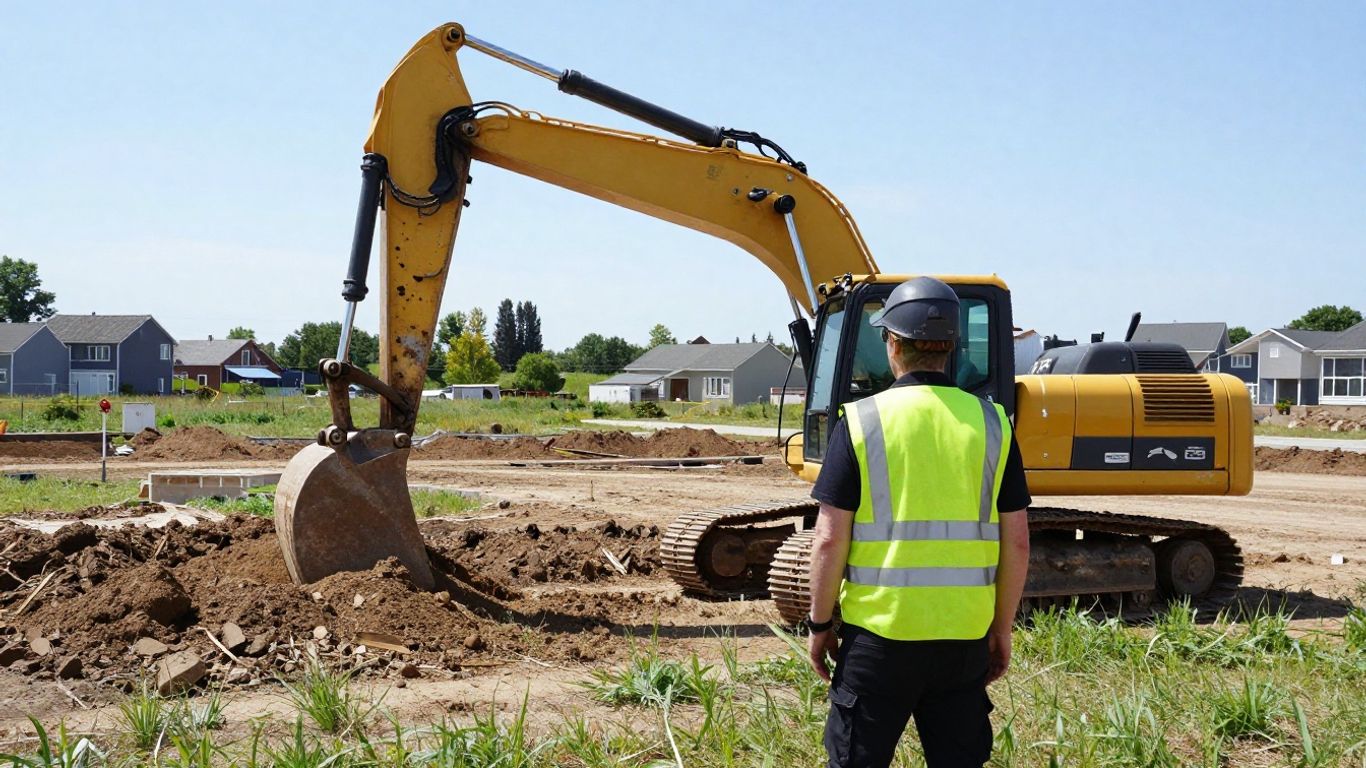
New Zealand workplace safety is non-negotiable for any reputable business. Before signing, ask for proof of current liability insurance and adherence to local safety frameworks to protect your property and personnel throughout the excavation lifecycle.
Examining the experience level of machine operators
Beyond the age of the equipment, the skill of the operator defines the final result of your site work. A seasoned team, such as those at Peard Excavation, brings the ability to troubleshoot site issues in real-time, preventing the common errors that often arise when less experienced hands lead the job.
Checking industry association memberships and standards
Membership in professional bodies indicates a commitment to standardized industry training and ethical trade practices. When evaluating an earthmoving company Bay of Plenty professionals often recommend looking for firms that utilize modern, reliable fleets and maintain clear, accountable documentation.
Evaluating machinery and site capability
Matching equipment size to your project constraints
Choosing the right equipment is a balance between power and footprint. Larger machines move volume quickly, but tight residential bays require nimble, specialized equipment that respects the space available without sacrificing excavation efficiency.
Availability of specialized attachments for complex tasks
A professional fleet should offer more than just basic buckets. For complex foundations or trenching, the ability to utilize specialized attachments like 360-degree tiltrotators provides the level of precision required for modern build standards.
Maintaining modern fleets for reduced environmental impact
Modern machinery is engineered for fuel efficiency and reduced noise, which significantly impacts the environmental footprint of your site. Contractors that invest in well-maintained, current-model equipment are generally more reliable and produce cleaner, more efficient results for your development.
Navigating Bay of Plenty regional compliance
Understanding local council resource consent processes
Local resource consents are the backbone of a stress-free build in the Bay of Plenty. A competent contractor ensures that all required planning is finalized before the first dig, preventing costly stop-work orders that can derail your project timelines.
Adhering to erosion and sediment control regulations
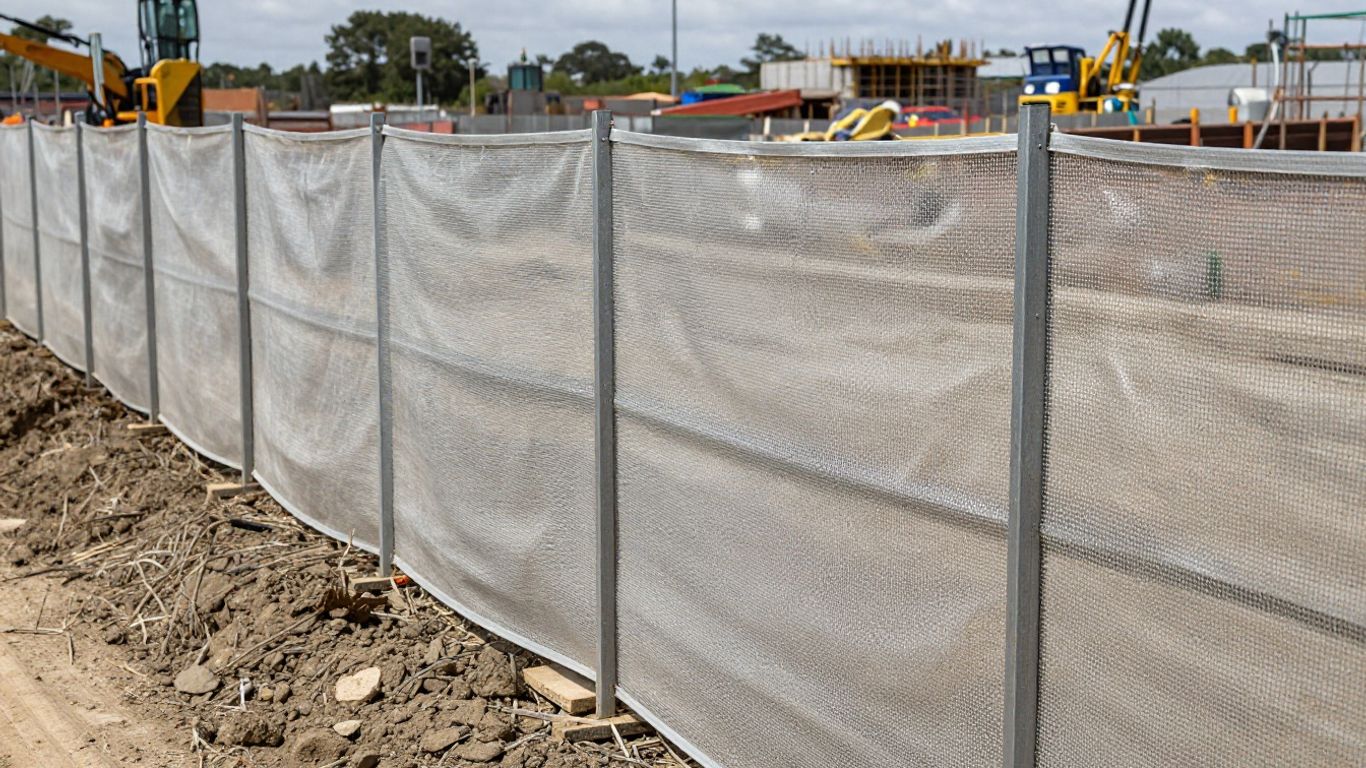
Managing water runoff and protecting the surrounding environment is a legal requirement on most earthworks sites. Investing in expert sediment control and erosion management keeps your project compliant and avoids regulatory scrutiny.
Managing cultural heritage site protocols in the region
Construction near sensitive areas requires extra diligence and awareness of local cultural protocols. An integrated, professional contractor handles these aspects as part of their standard workflow to ensure site respect is maintained alongside technical progress.
Below is a brief summary of how professional contractors manage common site risks during the earthworks phase:
| Site Risk | Mitigation Strategy | Typical Responsibility |
|---|---|---|
| Heavy Rainfall | Implement sediment controls | Contractor |
| Sub-surface Services | Accurate location mapping | Contractor |
| Unstable Sub-grade | Engineering remediation | Civil Engineer |
This table illustrates why coordinating technical services through a single, accountable team helps prevent the common finger-pointing that occurs when roles overlap unexpectedly.
Checking project management and communication standards
Establishing clear timelines and progress reporting
Constant updates through a reliable communication channel are vital for your peace of mind. A transparent project management approach, like that offered by Peard Excavation, ensures you know exactly where your budget is going and when milestones are reached.
Handling unexpected site variations and cost transparency
Every dig uncovers surprises, from unforeseen groundwater to hidden rock layers. A professional firm uses a structured process to report these variations, allowing you to approve cost changes based on honest, on-site feasibility advice rather than vague estimates.
Coordinating with other contractors and utility providers
Streamlined delivery requires synchronizing work with drainlayers and other trades. Choosing an integrated Peard Excavation approach minimizes downtime, as the team manages the critical link between excavation and subsequent utility plumbing without third-party scheduling delays.
Reviewing past performance and local references
Analysing portfolios of similar regional earthmoving projects
Past work often tells the story of how a company handles site challenges. Look for variety in their portfolio, from residential driveway construction to complex commercial pads, to see if they possess the breadth of skill your specific site demands.
Verifying testimonials from reputable local developers or homeowners
Testimonials provide a glimpse into the contractor's reliability and problem-solving attitude. Don't just check for satisfied customers—look for mentions of how the company resolved errors or managed difficult weather delays.
Requesting site visits to see completed work firsthand
Seeing a project after it has been completed is the ultimate audit of quality. Professionals who are confident in their craft are usually happy to refer you to a site where you can witness the clean finish of their work and speak with a past client about their experience.
Conclusion
Selecting the best partner for your earthmoving needs in the Bay of Plenty isn't just about the lowest price, but about finding a reliable team that manages the entire process from initial site assessment to final tidy-up. By verifying that your chosen contractor prioritizes precision, transparent communication, and local regulatory experience, you build a solid foundation for your development project. Ultimately, the right company simplifies your project lifecycle, keeps you compliant, and ensures that the finished site is perfectly prepped for the subsequent stages of construction.
Frequently Asked Questions
What does a site feasibility assessment involve?
A feasibility assessment includes an on-site visit to evaluate terrain, access, drainage needs, and regulatory requirements, resulting in a summary of risks and cost indicators to prevent surprises.
Why is an in-house delivery model better than using subcontractors?
Managing earthworks and drainage through one team ensures accountability, removes scheduling conflicts between trades, and speeds up the construction process by avoiding subcontractor downtime.
How long should I allow for resource consent processing?
Processing times vary depending on the complexity of your site and council workloads, so it is best to start your feasibility planning at least two to three months before your planned start date.
How can I verify that a contractor has the correct insurance?
Always ask for a current certificate of currency that specifically covers both public and professional liability during earthmoving and excavation operations on your local site.
What are the main signs of a high-quality finished sub-grade?
A high-quality finish should look perfectly graded, with debris cleared and drainage integrated to ensure the area remains stable and dry for your builders.
Can earthmoving happen in all weather conditions?
While some work can continue in light rain, heavy wet weather often forces delays to protect soil structure and ensure erosion controls remain effective and compliant with council rules.
Is it normal to have cost variations during an earthmoving project?
Yes, it is common to encounter hidden issues like soft ground or buried waste, but a professional contractor should communicate these findings and provide transparent pricing before moving forward.