Key Takeaways
Choosing the right partner for your site work ensures longevity and compliance. This guide highlights the essential steps to identify, vet, and contract a professional for your property.
- Prioritize contractors with specific experience in local soil and topography.
- Verify all current registrations and insurance coverage before work begins.
- Demand transparent, itemized quotes to avoid surprise post-project costs.
- Review portfolio evidence of previous works similar to your specific build type.
- Establish clear timelines and payment milestones upfront to ensure project alignment.
Understanding the scope of your drainage project
Every site presents unique challenges that require a tailored engineering strategy rather than a one-size-fits-all approach. Whether you are prepping a greenfields residential plot or managing an industrial site, understanding the technical demands of ground preparation is crucial. By working with a team like Peard Excavation, you ensure that stormwater and wastewater needs are assessed correctly from the initial concept stages, preventing costly oversights during the build.
Identifying stormwater management requirements
Effective management starts with accurate site assessment to determine where excess water will flow once hard surfaces are introduced. Proper drainage prevents soil saturation that can destabilize foundations, requiring precise installation of soak pits or reticulated systems. Professionals must evaluate catchments and slope to ensure long-term site stability.
Distinguishing between residential and commercial drainage
Residential projects often focus on domestic waste and driveway runoff, while commercial developments demand higher pipe diameters and complex attenuation systems designed for heavy load-bearing zones. Understanding these differences helps in selecting the right equipment and expertise for your land requirements. Peard Excavation manages these distinct needs by providing bespoke earthmoving and site preparation across a wide array of sector types.
When to seek specialized rural drainage solutions
Rural land often deals with large-scale water management issues such as paddock saturation, pond construction, or the protection of sensitive root zones in orchards. These environments require specialized machinery that can navigate tight access without causing excessive disruption to existing land features. Engaging experts who understand the specific needs of agriculture ensures your drainage supports, rather than hinders, your land's productivity.
Essential qualifications for Bay of Plenty drainage contractors
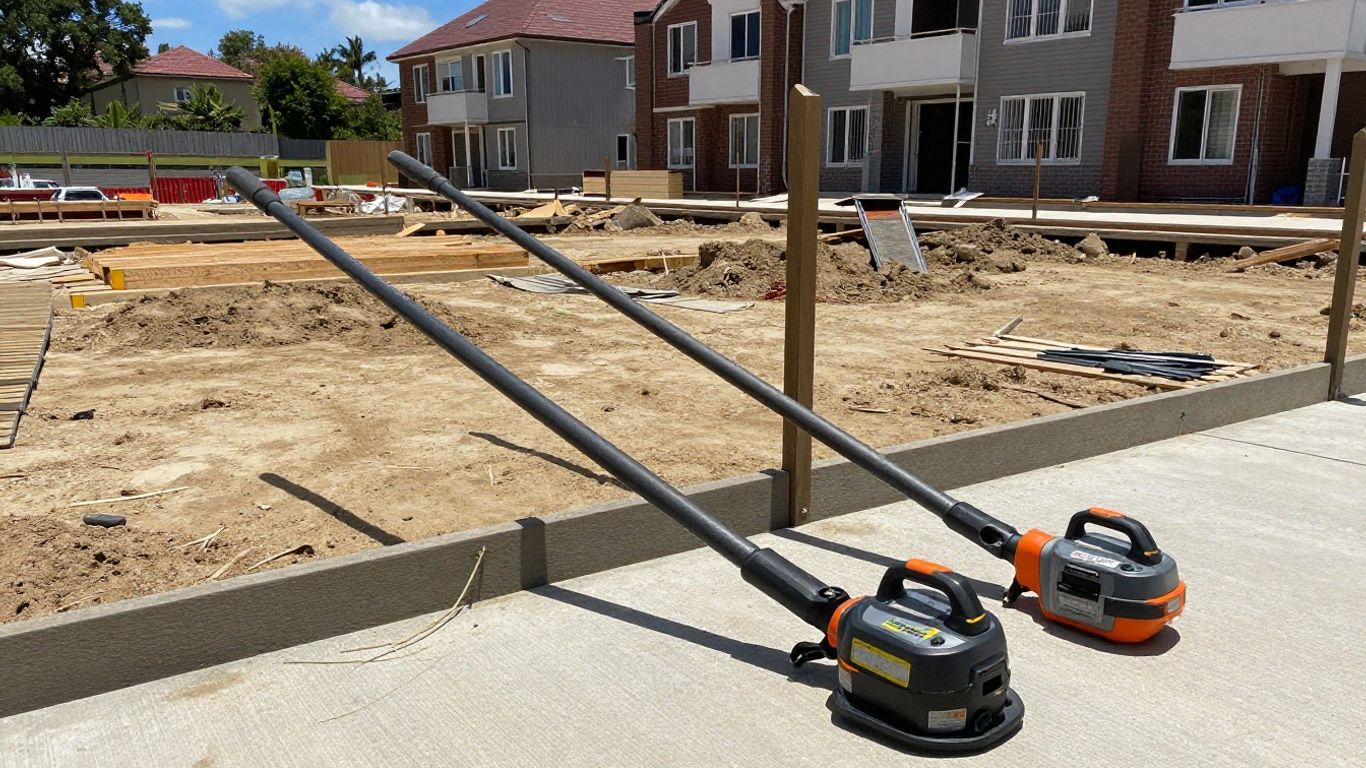
Entrusting your property to unqualified hands often leads to infrastructure failures and potential legal headaches with local authorities. A qualified contractor must demonstrate active registration and a clear understanding of the regulatory landscape governing the region. These certifications serve as your primary safeguard against subpar workmanship and structural deficiencies.
Verifying NZ plumbing and drainlaying registration
Confirming that your contractor holds valid, current New Zealand drainlaying registration is non-negotiable. This certification acts as evidence that the professional has undergone the required training to manage complex waste and water flow systems safely. Always ask to see current documentation before allowing work to commence on your property.
Checking insurance and public liability coverage
Site work inherently involves risks, from hitting underground services to accidental damage of adjacent structures. Before signing any agreement, ensure your chosen firm carries comprehensive public liability insurance that is appropriate for the scale of your project. As a best practice, request written confirmation of their cover levels.
- Confirm the specific dollar value of their public liability policy.
- Ask for proof of current Professional Indemnity insurance if design work is included.
- Request verification that their machinery and employees are covered for on-site operation.
- Check that site-specific health and safety plans match the complexity of your site conditions.
Following these checks confirms that you are protected against unforeseen site events. A professional partner should have no issue providing this information during the initial meeting.
Ensuring compliance with local council building codes
Navigating the building code is often the most time-consuming part of a drainage project, requiring precise as-built documentation for council sign-off. Compliance isn't just a box-ticking exercise; it involves proper testing of falls, materials, and backfill processes to pass final inspections. Working with a contractor who integrates design with execution ensures your solid drainage infrastructure meets all regional standards without delays.
Key factors to consider before hiring
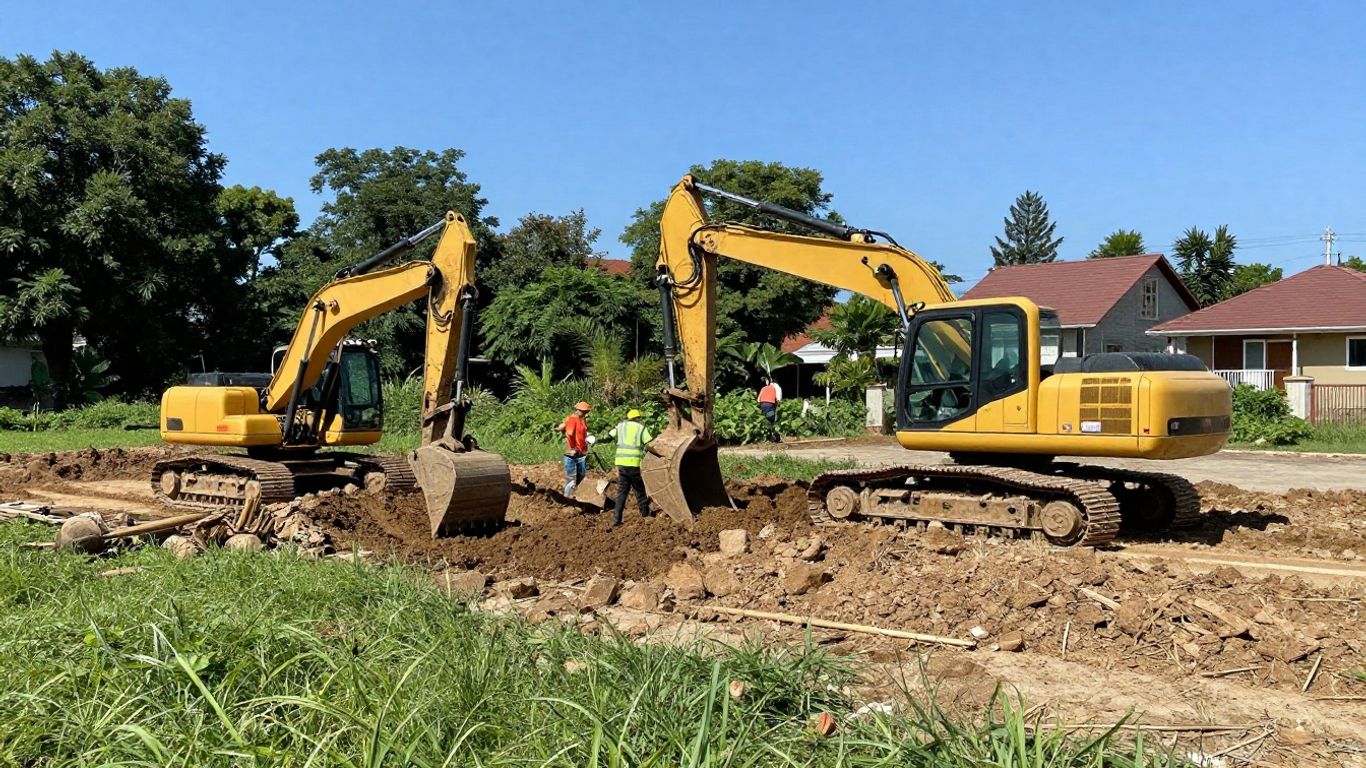
Local knowledge goes a long way when handling the varied geology found across the Bay of Plenty. A contractor operating in this region must possess an intimate understanding of how local volcanic soils react to excavation, especially during periods of heavy rain. Integrating these considerations early into the hiring process minimizes the risk of budget blowouts.
Experience with local Bay of Plenty soil types and topography
Each area within the region, from Tauriko to the coast, has specific geological quirks that affect foundation stability and drainage flow. Contractors who have spent years working in these exact terrains will have the experience needed to predict how the ground will perform under different conditions. They rely on their history of successful site cuts to guide their current approach.
Availability and emergency response times
Projects often hit unexpected snags where immediate intervention is required to prevent environmental damage or site flooding. A local contractor with a responsive fleet is essential for managing critical moments when time is of the essence. You need a partner who is able to mobilize quickly and provide a clear plan of action without lengthy administrative hold-ups.
Transparency in project quoting and assessment of hidden costs
Getting a grasp on total costs requires more than just a lump-sum figure; it demands a clear breakdown of potential variables. Factors like tipping fees, equipment mobilization, and unexpected ground instability can significantly swing your final expenditure. Reviewing a detailed comparative table can help highlight where hidden costs typically hide.
| Cost Factor | High Risk Element | Mitigation Strategy |
|---|---|---|
| Soil Removal | Unforeseen contamination | Pre-start testing |
| Site Access | Tight maneuverability | Right-sized machinery |
| Project Scope | Design variations | Clear milestone setting |
By comparing these factors transparently, you ensure that the project remains financially predictable throughout the entire construction phase. Peard Excavation provides a single point of accountability that avoids the communication breakdowns often seen with multi-subcontractor projects.
Evaluating contractor reputation and reliability
Your contractor's reputation is built on consistency and the reliability of their previous builds. Taking the time to look deeper than just a website or a social media profile allows you to judge the actual outcome of their work. Reliability is often proven by the strength of their professional relationships with previous clients and local engineers.
Reviewing portfolios of similar local projects
Past work remains the best predictor of future performance. When viewing an excavation and earthworks project portfolio, focus on projects that align with the scale and complexity of your own site. Look for evidence of well-managed sites, clean handovers, and successful completion of complex infrastructure tasks like those Peard Excavation regularly undertakes.
Verifying third-party customer testimonials and references
Independent feedback offers a clearer picture of how a company handles project challenges and maintains communication. Reach out to listed references to ask how the contractor managed changes in project scope or unexpected site conditions. A willingness to share direct references is a hallmark of a transparent and confident business.
Assessing professionalism during initial consultations
Pay attention to how the contractor approaches your site during the initial visit. Do they ask the right technical questions about ground conditions or council requirements? Their ability to communicate complex concepts in clear terms while providing practical, site-specific advice is a critical indicator of their operational maturity.
Navigating the quote and contract process
Formalizing your agreement is the final step in protecting your project interests. A comprehensive contract acts as a roadmap, ensuring all parties are held to the same standards regarding materials, timelines, and payment expectations. Relying on vague verbal promises leads to misunderstandings, so keep the paper trail detailed and complete.
Comparing detailed written estimates for accuracy
When you receive multiple estimates, you must look for an "apples-to-apples" comparison. Ensure that every quote includes specific items like material disposal, specific pipe types, and the hours estimated for machinery use. Vague estimates often leave out critical services which are then billed as variations later in the project.
Understanding contract terms and payment schedules
Payment terms should align with the completion of specific, measurable milestones rather than calendar timelines alone. This gives you peace of mind that you are only paying for work that has been verified on-site. Clarify whether the quote is fixed-price or based on rising cost variables before the team starts on your property.
Defining project timelines and milestone delivery requirements
Clear communication regarding start dates and projected completion dates is essential for coordinating other trades. Project management success often hinges on clearly established expectations, ensuring that your foundation is finished in time for subsequent building teams to follow. By setting precise, logical milestones, you keep the flow of construction moving without costly gaps or idle trade hours.
Conclusion
Selecting the right contractor for your land management needs is a foundational decision that influences the long-term integrity of your property. By thoroughly vetting credentials, requesting detailed transparency, and utilizing local experience for project planning, you reduce risk and enjoy a more seamless construction experience. Focus on accountability and proven expertise to ensure your site is prepared with precision and professional care.
Frequently Asked Questions
Do I need council consent for all drainage work?
Most drainage work that involves connecting to council water or waste systems requires a building consent, particularly for new installations. Always check with your local council or ensure your contractor handles this in their scope, as improper drainage can trigger stop-work orders and significant fines.
What should I do if my site has difficult soil conditions?
Consult with a civil professional who has experience with local soil types immediately, as sites with poor drainage or clay can require specialized engineering solutions. A feasibility assessment or soil testing before ground is broken helps in planning for potential foundation stabilization or extra site prep.
How long does a standard residential drainage project take?
Project timelines vary significantly based on site scale, weather conditions, and complexity of the required infrastructure. A reputable contractor will provide you with a realistic timeline during the quoting phase, including buffer periods for unforeseen site weather delays.
Why are itemized quotes better than lump-sum estimates?
Itemized quotes allow you to inspect exactly what materials and labour hours are proposed, which makes identifying missing or miscalculated technical components much easier. This prevents surprise costs during the build and ensures you are paying for exactly what is delivered.
How do I check if a contractor is properly registered?
In New Zealand, you must verify the drainlayer's current registration status through the Plumbers, Gasfitters and Drainlayers Board register. This public database provides verification of their license status, ensuring they are legally permitted to perform the work on your site.
Can I act as my own project manager for drainage work?
While you can manage your own site, it requires specialized expertise in construction planning, council compliance, and team coordination to avoid expensive errors. For most professional builds, hiring an integrated contractor who handles site prep and drainage as one package saves significant coordination effort.
What are the risks of ignoring drainage in site preparation?
Inadequate drainage leads to foundation settlement, surface saturation, and long-term structural failure that can significantly lower your property's value. Proactive management of water flow through high-quality excavation and installation is the only way to safeguard your investment from moisture-related damage over time.