
Key Takeaways
Understanding the complexities of moving earth is the first step toward a successful building project. These insights will help you navigate your site requirements efficiently:
- Bulk excavation involves moving large soil volumes to create stable building foundations.
- Professional site assessment prevents costly surprises related to ground conditions or debris.
- Accurate volume calculation is critical for managing budget and haulage requirements.
- Local council compliance ensures your project remains environmentally safe and legal.
- Selecting an experienced contractor with modern machinery saves significant project time.
Understanding bulk excavation in Tauranga
Defining bulk earthworks for residential and commercial projects
Bulk earthworks represent the initial, large-scale movement of soil required to prepare a specific area for construction or development. For many, this is the first time they see their vision physically taking shape on the land. Whether clearing a path for a commercial footprint or prepping a residential platform, this work sets the foundational stage for everything that follows.
Regional geological considerations in the Bay of Plenty
Working across our region brings unique challenges, particularly regarding the varied Bay of Plenty soil types. From the free-draining sandy soils closer to the coast to the more challenging clay deposits found in some inland pockets, understanding your land's specific geology is essential. Peard Excavation often encounters these variations, which dictate the specific machinery and approaches needed to ensure long-term site stability.
Importance of soil testing and stability assessments
Before a single bucket of dirt is moved, you must understand the ground underneath. Soil testing provides essential data on load-bearing capacities and potential groundwater issues. Investing in these tests upfront saves you from dealing with unforeseen foundation issues or structural failures down the line. It serves as a necessary blueprint for any professional earthmoving plan.
The process of professional site cuts
Site surveying and level establishment
Professional site cuts require precision from the start to ensure the final building platform meets the engineer’s specifications. Surveying confirms the boundaries and vertical heights, effectively mapping out where the soil needs to be removed or moved. This step captures the critical data needed for a precise and level outcome.
Equipment selection for regional soil profiles
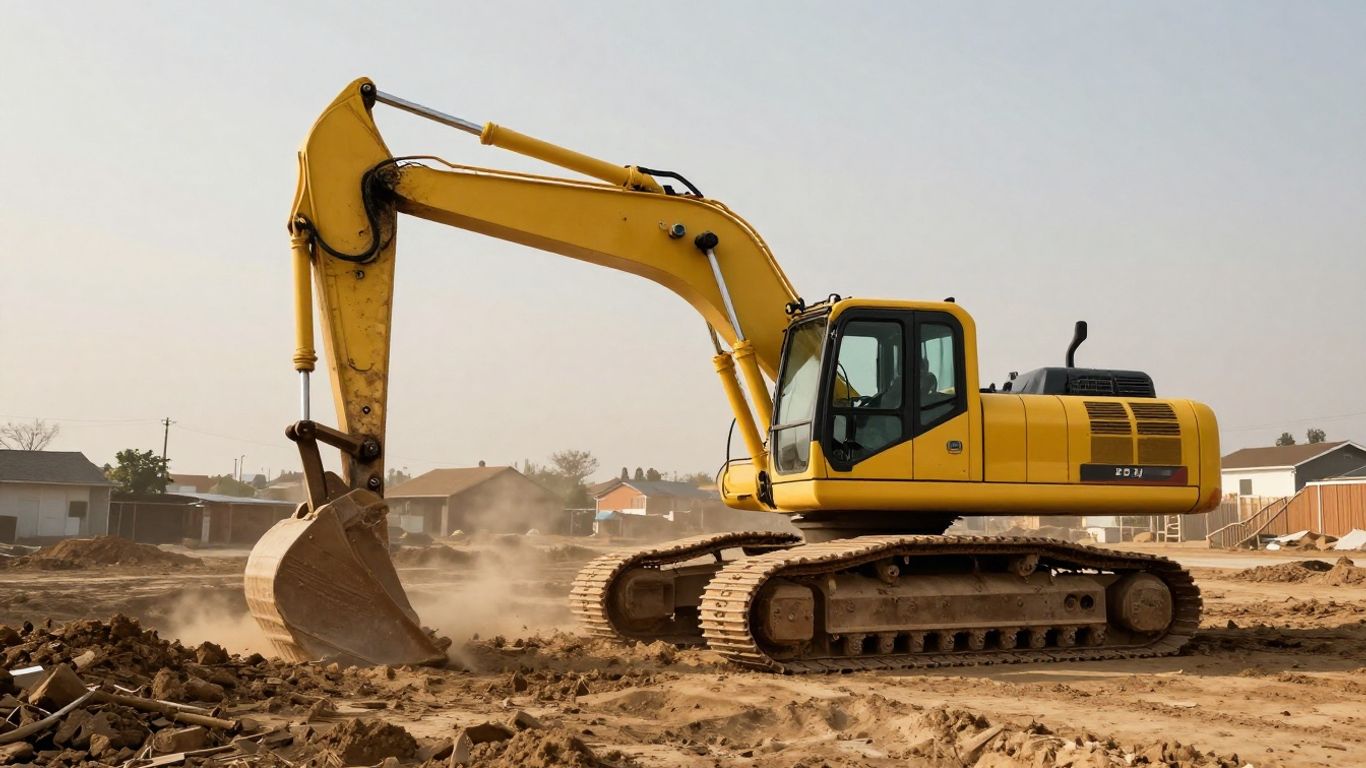
Choosing the right digger for the job is never about just size; it is about matching horsepower and bucket geometry to the soil type. Tight-access machines might be required for cramped residential yards, while larger excavators are necessary for site-wide leveling. Using the wrong tool can lead to inefficiency and increased costs.
Managing excavation debris and spoil removal
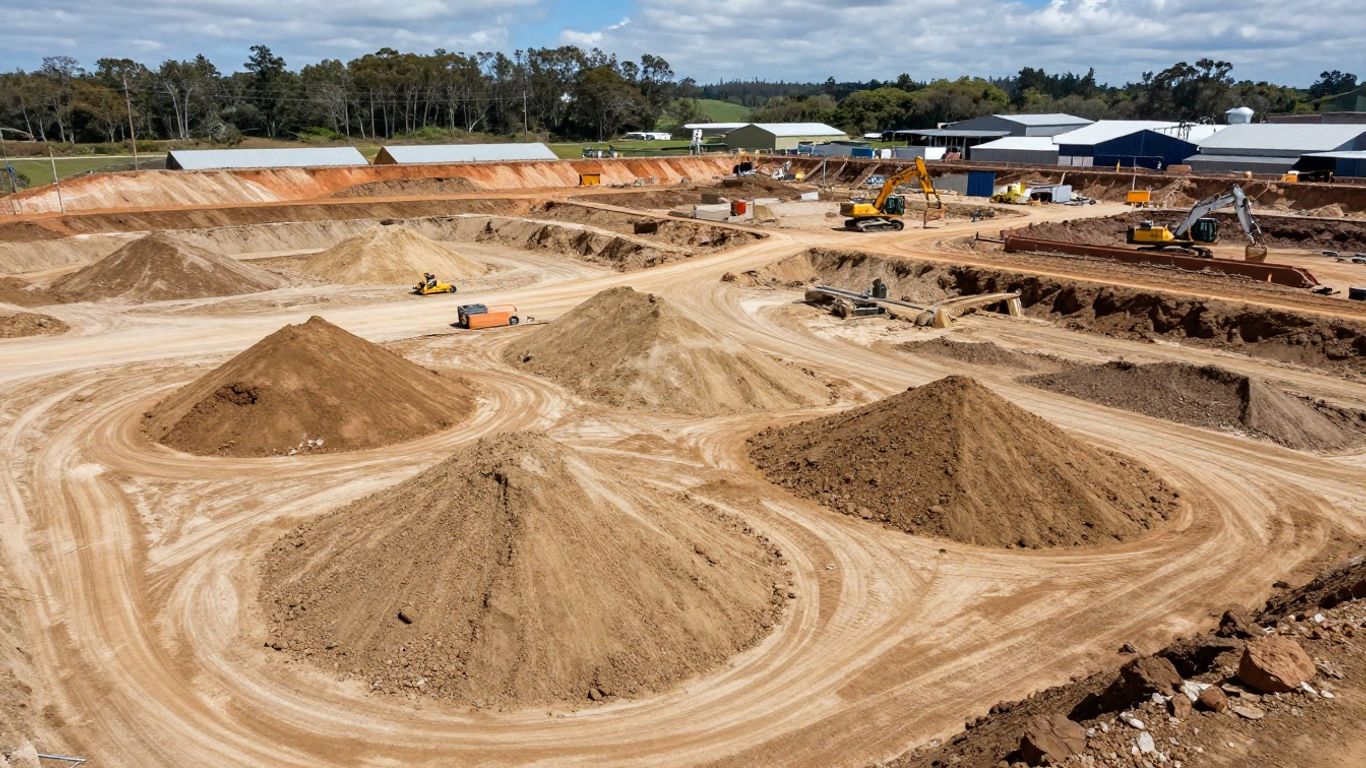
Handling the volume of material generated during a site cut is often the most logistically intense part of the process. Effective spoil management keeps the project moving smoothly and prevents the site from becoming overwhelmed. Effective strategies for site clearance include:
- On-site reuse of clean fill for landscaping or retaining bases
- Coordinating 8-wheeler truck haulage for efficient debris removal
- Sorting material as it comes out to minimize disposal fees
- Scheduling departures to keep access points clear for other trades
Successfully managing these removal streams keeps the site workspace orderly and productive until the final grade is established.
Safety protocols for deep site cuts
Safety for deep excavations goes beyond just wearing high-vis gear or hard hats. It requires stringent adherence to engineering plans to prevent cave-ins, especially in unstable ground. Operators must maintain strict benching or shoring techniques consistent with regional safety standards to protect everyone on site.
Calculating excavation volumes for your project
How to measure earthwork quantities accurately
Calculating the precise amount of earth to be moved is vital for your budget and timeline. It requires analyzing topography and final design plans to determine what needs to be cut and what stays. The following table provides a rough breakdown of typical cost components based on volume metrics:
| Process Phase | Efficiency Standard | Cost Impact Strategy |
|---|---|---|
| Site Clearing | 100-200m³ per shift | Minimize haulage distance |
| Initial Bulk Cut | 300+ m³ per shift | Utilize laser-guided systems |
| Final Grading | 50m³ per shift | High precision trim work |
By breaking the job into these phases, you can more effectively predict total costs and identify areas where your project might gain efficiency.
Accounting for cut versus fill requirements
Balancing your cut and fill helps you avoid the unnecessary expense of importing or exporting large quantities of soil. If you have a slope, moving dirt from the high side to fill the low side is usually much cheaper than trucking it away. This balance is frequently discussed during a professional Site Feasibility Assessment.
Factors affecting swell and compaction ratios
When materials are dug up, they naturally increase in volume, a phenomenon known as swell. Conversely, once replaced and compacted, soil loses volume, sometimes significantly more than it started with. Failing to account for this change often results in being short on needed fill or having excess material that requires a costly last-minute removal.
Utilizing surveying software to predict site movement
Modern digital tools allow contractors to model the exact movement of earth before the machines ever touch the ground. These programs help in visualizing the final look of the land and assessing the effort required to reach target grades. It is a powerful way to ensure the plan fits the reality of the landscape.
Cost variables affecting price per cubic metre
The impact of material density and haulage distance
Heavy clay or dense rock is more expensive to move than loose topsoil or sand. Additionally, the distance that your spoil needs to be hauled impacts the fuel and time overheads included in your quote. These variables are standard considerations when contractors review a site map.
How restricted site access influences machinery choices
Working in a tight urban lot forces the use of smaller, less efficient equipment compared to a wide-open commercial pad. This usually results in higher per-cubic-metre costs due to the increased time required for the operation. It is a reality of urban excavation and earthworks where the project footprint is confined.
Hidden costs: rock breaking and groundwater management
Rock layers or high water tables can ground a project to a halt, turning a smooth excavation into a complex technical challenge. Encountering rock requires specialized hydraulic breakers, while water issues often demand temporary drainage or pumping solutions. Addressing these early through thorough site investigations is the best way to maintain project flow.
Market rates for bulk earthmoving in the Bay of Plenty
Rates fluctuate based on local demand, fuel costs, and the complexity of the site. Earthmoving projects typically involve costs that reflect the operator's experience and the quality of their machinery fleet. Seeking quotes based on a set site plan is the most reliable way to understand your actual final expenditure.
Navigating council regulations and compliance
Resource consent requirements for major earthworks
Large projects typically require resource consent to ensure they do not negatively impact the surrounding areas. Understanding the specific thresholds for volume and height is essential before commencing. Your contractor should be familiar with these requirements to steer your project through the process safely.
Erosion and sediment control guidelines in Tauranga
Runoff from construction sites can quickly contaminate local waterways and drainage systems. Installing appropriate silt fences and sediment ponds ensures compliance with regional environmental rules. Maintaining these throughout the project is a fundamental professional responsibility.
Managing dust and noise during construction phases
Construction work is inherently noisy, but managing dust and vibration is critical in residential, high-density areas. Watering down dusty surfaces on hot days is a standard mitigation measure that keeps the peace with neighbors. Managing these impacts properly helps maintain a positive reputation during the construction cycle.
Engaging with Tauranga City Council planning standards
Every council has specific standards regarding the final state of land after development. Adhering to these engineering requirements is non-negotiable for approval. Clear documentation and professional communication help ensure your site development conforms to municipal expectations.
Selecting an excavation contractor
Assessing fleet capability and operator expertise
An excavation contractor needs a balanced fleet capable of handling diverse ground conditions with ease. Operator experience matters just as much as the machine, as a skilled hand saves time and minimizes rework. A company that combines 30 years of industry experience with modern machinery typically brings the best value to the table.
Evaluating health and safety records and local reputation
Choose a contractor who prioritizes workplace safety as a core business value rather than a box-ticking exercise. Their local reputation, built on consistent delivery and communication, often provides the clearest picture of their ability to handle your project. Looking at past outcomes helps you confirm if they handle the job with care.
Checking insurance requirements for commercial excavation
Commercial projects involve significant liability, so verifying a contractor's insurance coverage is mandatory. Ensure they have comprehensive coverage relating to public liability and contract works. A partner that provides full documentation regarding these safeguards gives you necessary peace of mind.
Requesting detailed quotes and project timelines
An honest contractor should provide a transparent quote that outlines exactly what you are paying for, including potential contingencies. Be wary of estimates that seem unusually low, as they often hidden costs that become apparent only after the work starts. Clear communication regarding timelines and expectations remains the best foundation for a successful working relationship.
Conclusion
Successfully managing bulk excavation in Tauranga requires a blend of local knowledge, professional machinery, and proactive compliance. By investing in site assessments and selecting an experienced contractor, developers and homeowners can significantly reduce the risks of budget blowouts and delays. Keeping these principles in mind ensures that your site is prepared correctly, providing a durable foundation for the development phase that follows.
Frequently Asked Questions
How does soil type affect bulk excavation costs?
Different soil types require different machinery and disposal methods, with harder ground or debris-heavy soil increasing the time and fuel required for each cubic metre moved.
Why is a site feasibility study necessary?
It provides a realistic look at ground conditions and potential drainage or retaining issues before construction starts, preventing expensive mid-project surprises.
What do volume calculations actually include?
They typically include the total amount of material to be excavated, the volume of fill needed for leveling, and the resulting debris that must be hauled away from the site.
How can I minimize the noise and dust impact during excavation?
Effective site management includes water-spraying surfaces during dry months and scheduling heavy, loud operations during standard working hours to reduce the impact on nearby neighbors.
What are the main risks associated with ignoring councils' sediment control?
Failing to follow these guidelines often leads to environmental pollution fines, site shut-downs by council inspectors, and costly remediation work to fix damaged drainage systems.
Does tight site access significantly change my project costs?
Yes, restricted entry points often force the use of smaller, less efficient machinery and slower work methods, both of which increase the hourly rate of the excavation process.
What happens if the contractor hits rock during excavation?
Hitting unexpected rock usually requires a change in approach, often necessitating the use of specialized hydraulic breakers that are charged separately from standard digging rates.