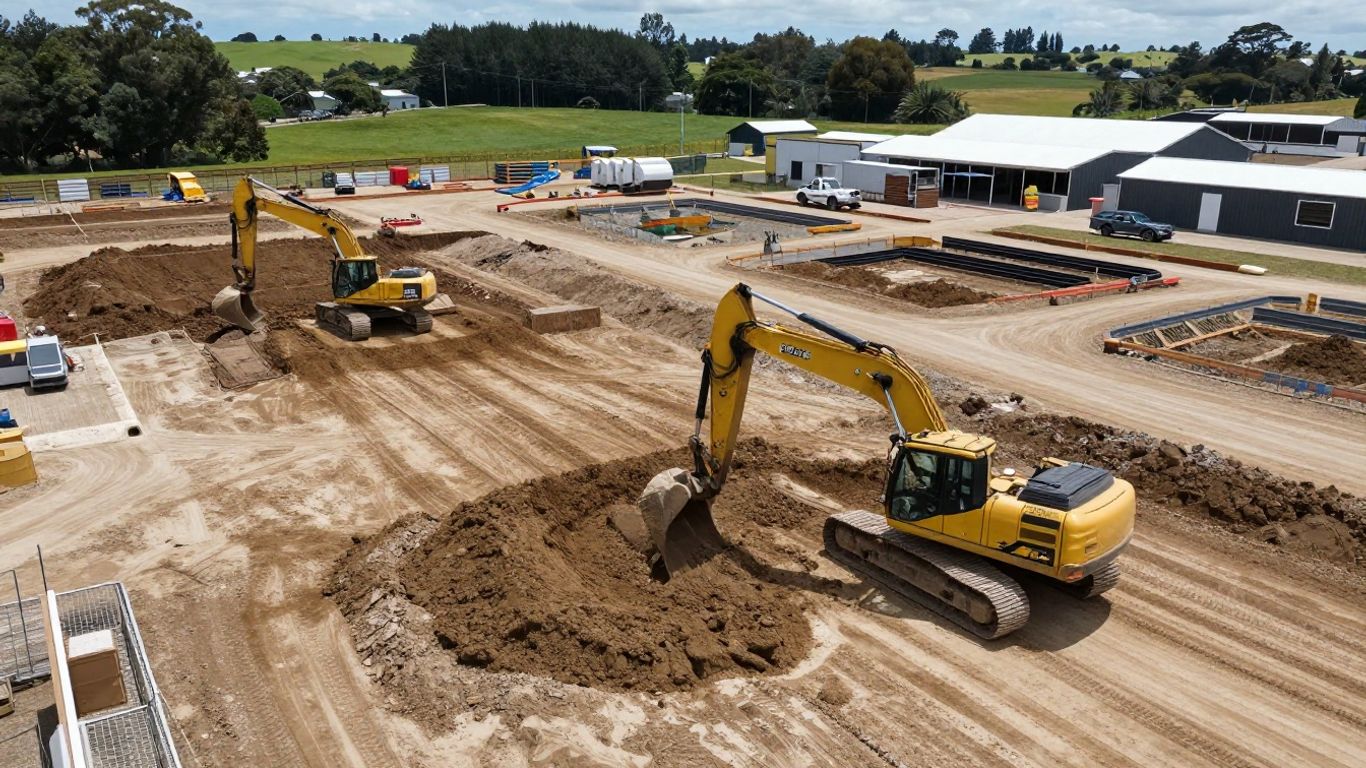
A professional guide to commercial excavation services in the Bay of Plenty
Expert tips for commercial excavation services Bay of Plenty—ensure your construction project starts on solid ground.
Expert tips for commercial excavation services Bay of Plenty—ensure your construction project starts on solid ground.
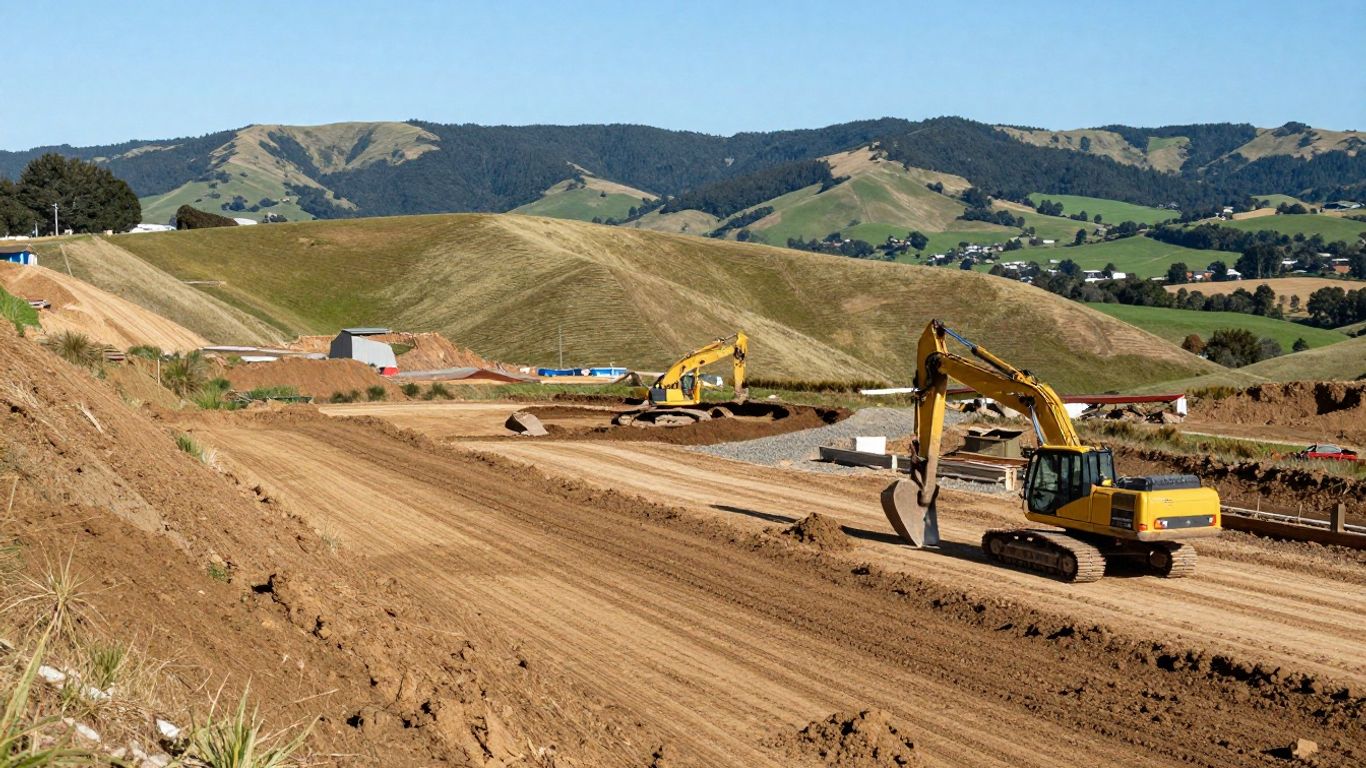 Compliance is non-negotiable in the civil sector, as local councils hold strict standards for any ground-disturbing activity. Beyond basic permits, developers must account for the specific environmental sensitivities of the region to avoid operational delays or legal liability. Adhering to these regulations is a core component of managing project risks effectively. ### Understanding Resource Management Act requirements The Resource Management Act sets the framework for sustainable management of physical resources throughout New Zealand. Projects must demonstrate that potential environmental impacts have been assessed and that steps are taken to minimize disruption to local ecosystems. This overarching legislation dictates everything from noise control to heritage protection on construction sites. ### Managing sediment and erosion control Construction sites are prone to sediment runoff, which can impact local waterways if not managed correctly. Utilizing professional sediment and erosion control measures, such as silt fences and settlement basins, ensures that all water leaving the site meets regulatory standards. Effective management during high-rainfall events is particularly critical in the Bay of Plenty. ### Compliance with local council earthworks permits Every project requires a distinct permit profile based on the volume of soil moved and the nature of the development. Maintaining accurate records and ensuring that work proceeds according to approved plans is vital for keeping an inspection schedule on track. A dedicated contractor manages this administrative side to prevent work stoppages. ### Managing environmental impacts in coastal zones Coastal environments introduce additional layers of ecological sensitivity, requiring specialized approaches to shoreline stability and runoff. Mitigating the risks of soil erosion in these areas is essential for fulfilling local council mandates. The following table highlights common control measures required for such sensitive ground conditions: | Control Measure | Primary Purpose | Installation Timing | | :--- | :--- | :--- | | Silt Fencing | Traps sediment | Before clearing starts | | Sediment Ponds | Settlement retention | During bulk earthworks | | Hydroseeding | Erosion protection | Post-earthwork phase | These measures act as the primary defense in preserving the integrity of the coastal ecosystem. Once installed, they must be monitored regularly to confirm they are functioning as designed. ## Key equipment used in large-scale commercial projects Success in commercial construction rests on having the right machinery to tackle varying densities of soil and rock. Using high-specification equipment increases productivity and improves the standard of the finish across the entire development site. This hardware-focused approach allows firms like Peard Excavation to maintain control over project quality without relying on outside help. ### Capabilities of heavy-duty excavators The backbone of any commercial project is a reliable fleet of high-performance excavators. These machines combine massive breakout force with fine control, allowing for everything from deep removal tasks to delicate finishing work. By utilizing modern, reliable equipment, operations remain seamless even when moving through dense, challenging soil. ### The role of site dumpers and rock breakers Efficient material handling requires dumpers that can traverse rough terrain, keeping the cycle of spoil removal moving at a steady pace. When the ground turns to hard rock, hydraulic breakers provide the necessary input to fracture materials, ensuring that site progress doesn't stall on unexpected ground conditions. ### Precision leveling technology for commercial pads Precision is paramount when constructing large commercial platforms. By using laser-guided grading systems, operators can achieve remarkable accuracy, often working to within a few millimeters of the specified design level. This level of precision ensures expensive construction mistakes are avoided entirely. ### Specialized attachments for challenging ground conditions Sometimes a standard bucket is simply not enough to overcome specific local site challenges. Specialized attachments allow for more complex tasks to be performed without sourcing additional machinery: - Tiltrotators for 360-degree bucket maneuverability. - Hydraulic augers for precise piling holes to support foundations. - Rippers for breaking apart compacted subgrades. - Specialized grabs for material sorting and recycling. - Plate compactors for achieving certified ground density requirements. These attachments increase the versatility of the primary excavators on-site. By matching the right tool to the task, efficiency is maintained regardless of the physical constraints of the project. ## Health and safety protocols for commercial excavation
 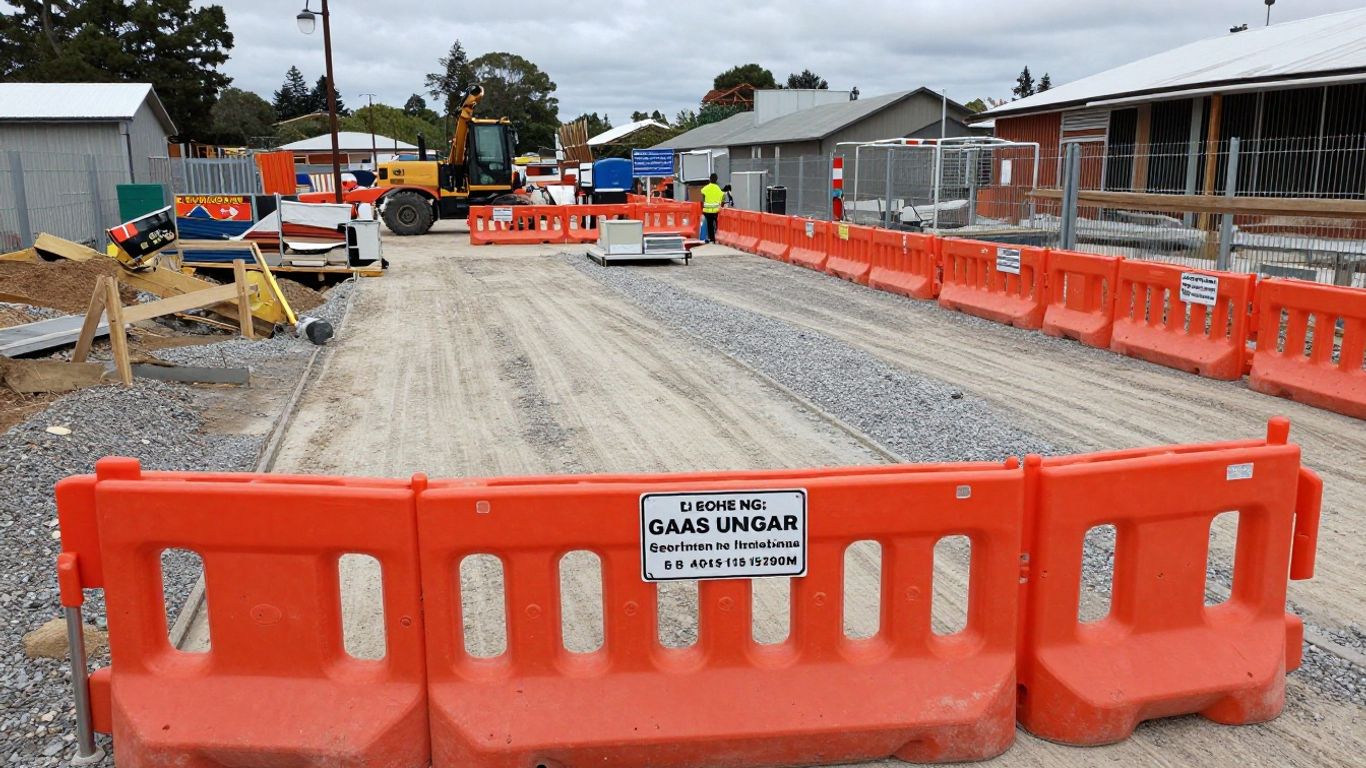 A rigorous safety culture ensures that every site visitor and worker remains protected throughout the construction phase. Managing hazards is a multi-layered process that begins well before the first machine reaches the property. Prioritizing worker welfare not only fulfills legal duties but also fosters an environment of mutual trust and professional accountability. ### Managing underground utility risks Hidden infrastructure such as water lines, gas pipes, and fiber-optic cables present life-threatening hazards if struck. Accurate, non-negotiable service locating is the first step in any excavation process to prevent catastrophic failure. By verifying the exact location of underground lines, the risk of damage is significantly reduced for all involved. ### Maintaining safe site access for heavy machinery High-traffic construction zones require clearly defined zones for heavy assets and personnel. Limiting the interaction between machinery and foot traffic keeps the site orderly and reduces the potential for accidents. Signage and physical barriers act as effective, visual reminders of where operators and visitors should be. ### Implementing site-specific hazard identification Pre-project assessments are vital for understanding the specific dangers inherent in a site. Whether it is steep terrain, soil contamination, or proximity to existing structures, documenting these factors beforehand allows for a targeted mitigation plan. Continual monitoring ensures that new hazards are identified as the project landscape shifts. ### Standards for worker safety and personal protective equipment Maintaining high standards for personnel necessitates the use of robust personal protective equipment, including standard high-visibility vests, hard hats, and steel-capped footwear. Consistent adherence to site rules reinforces a professional expectation for safety. Every project team must be unified in its dedication to these core safety pillars. ## Choosing the right commercial excavation partner in the Bay of Plenty Selecting a contractor requires looking beyond just the bottom line to evaluate real-world capability and risk management capacity. An experienced provider brings a deep understanding of regional soil profiles and the nuances of the local consent process. A partnership founded on transparency and reliability provides the necessary stability for large commercial ventures. ### Assessing fleet capacity and contractor experience One of the most important factors for project success is whether a contractor owns and maintains their own equipment. A dedicated, in-house fleet allows for greater control over availability and performance, which prevents common bottlenecks. Look for partners who demonstrate a consistent history of delivering high-quality earthworks on similar large-scale projects. ### Reviewing insurance and liability coverages Commercial work carries inherent financial and legal risks that only a fully insured contractor should manage. Verifying that a potential partner holds comprehensive public liability and professional indemnity insurance is a standard step in due diligence. This ensures that the developer is protected from potential downsides during the construction process. ### Evaluating past project portfolios and local references A track record of success is often found in diverse project portfolios that highlight previous outcomes across commercial, civil, and residential sectors. Contacting references allows developers to gauge how a contractor handles communication, budgets, and unforeseen challenges. A partner that openly shares successful milestones provides proof of their technical claims. ### Balancing budget constraints with project timelines Large builds are sensitive to timeframes, and delays in earthworks often ripple through subsequent stages. Opting for a partner that takes full accountability for the project timeline — rather than juggling multiple disconnected subcontractors — results in faster completion. A flat, transparent cost structure is always preferable to unpredictable variations at the end of the job. ## Best practices for site management during construction Managing the day-to-day operations on a construction site requires a balance of communication, logistical planning, and environmental stewardship. A well-organized site minimizes errors and improves the morale of everyone involved in the build. Achieving these goals requires active oversight and a commitment to keeping the site clean and efficient. ### Establishing effective traffic management plans Safe vehicle movement is critical when managing transport of heavy materials in and out of the site. Developing a logical traffic management plan prevents congestion and ensures that entry points are cleared for both deliveries and outgoing spoil removals. This planning phase is a pillar of maintaining productivity throughout the workday. ### Minimizing disruption to neighboring properties Commercial construction sites in populated areas must operate with consideration for surrounding neighborhoods. Managing noise levels, dust emissions, and hours of operation is a sign of a professional company that respects the community. Being proactive rather than reactive in addressing concerns preserves the goodwill of local residents. ### Coordinating earthworks with sub-contractor schedules Effective coordination between the earthworks team and subsequent trades ensures that the project remains on track. When the in-house plumbing and drainage crew acts as a single point of responsibility, the handover between excavation and foundation prep is seamless. This integration removes external dependencies that often lead to timing conflicts. ### Managing waste and spoil disposal sustainably Waste management encompasses everything from moving excess soil to recycling concrete and construction debris. A sustainable approach focuses on finding beneficial reuse options for fill rather than simple disposal. This practice can reduce the overall environmental footprint of the project and lower costs associated with material haulage. ## Conclusion Successfully navigating commercial excavation in the Bay of Plenty requires a blend of local experience, rigorous safety standards, and logistical precision. By ensuring site preparation is handled by a single, accountable provider, developers can streamline the entire process while maintaining full visibility over progress and site safety. A solid, well-planned start is the surest foundation for any long-term industrial investment. ## Frequently Asked Questions ### How deep should commercial trenches usually be? Depth requirements for utility trenches vary based on local council regulations and the specific type of service being installed, such as high-voltage cabling or deep-set stormwater drainage. A professional excavation contractor will always consult detailed engineering plans to ensure the digging meets the required depth specifications while maintaining the safety of the trench walls. ### What is the advantage of using laser-guided grading? Laser-guided grading allows operators to maintain high-precision tolerances during the formation of large building pads. This technology compensates for human error and ensures that the final surface is perfectly level, preventing the need for costly remediation once the concrete slab phase begins. ### How do you identify hidden underground utilities? Before any digging begins, contractors use a combination of existing underground maps and physical on-site verification tools. Ground-penetrating technology and careful trial pitting are standard techniques used to safely expose and map services before heavy machinery is deployed on the site. ### Is site clearance strictly an environmental process? While site clearance does have an environmental component, its primary goal is to ensure the structural integrity of the soil by removing organic matter and unstable materials. It is a technical necessity to prevent future subsidence and ensure that foundations can be correctly laid on solid, compacted ground. ### Why is a traffic management plan necessary for smaller commercial projects? Even small commercial builds can generate significant vehicle activity that poses a risk to public roads and pedestrian pathways. A formal plan organizes access, signage, and site entry to keep the surrounding area functioning normally while ensuring the safe delivery of equipment and materials. ### What happens if ground conditions differ from the initial report? Unforeseen ground conditions, such as unexpected rock or high groundwater levels, require immediate assessment and adjustments to the original building plan. A professional contractor typically identifies these changes early through continuous monitoring, allowing for quick consultation with project engineers to revise the scope without losing significant time. ### Can construction work continue during heavy rain? Heavy rain can compromise the stability of a site and make sediment control significantly more difficult. In many cases, work is paused to prevent environmental damage or the compromise of structural foundations, as working in saturated conditions can lead to soil slippage and quality issues that may affect the lifespan of the finished build.