Key Takeaways
Finding the right earthmoving partner is a critical step for any construction project to ensure safety, efficiency, and long-term site stability. These points will help you navigate your search for the best excavation experts in your region.
- Define your project needs early to match contractors with the right skill sets.
- Prioritize contractors who hold current safety certifications and comprehensive insurance policies.
- Evaluate equipment capabilities to ensure the fleet matches your specific site access and terrain needs.
- Insist on transparent contracts that clearly outline pricing, timelines, and potential risk factors.
- Maintain clear, written communication throughout the project to manage changes and variation orders effectively.
Understanding the scope of your excavation project
Starting any physical site development requires a comprehensive look at what lies beneath the surface and how the land integrates with your construction plans. Whether you are prepping a residential plot or managing a massive commercial layout, having a clear objective prevents costly rework later on. Engaging with Peard Excavation during the early stages often provides the clarity needed to avoid common logistical pitfalls.
Identifying residential site preparation needs
Residential work demands a high degree of precision to ensure that building pads, footings, and drainage systems are installed correctly. It is not just about moving dirt; it involves understanding the specific topography of your property to ensure a perfectly level and stable foundation for your future home.
Assessing commercial development requirements
Commercial projects frequently encounter complex regulatory and logistical layers that residential builds do not share. These developments often require bulk excavation, specialized drainage integration, and staging that must work in tandem with other heavy trades onsite to keep the project on track.
Distinguishing between land clearing and soil stabilization
Removing surface vegetation is only the first phase of site readiness, as the underlying ground may require significant reinforcement. Effective stabilization prevents long-term settlement, which is why your contractor should offer a clear distinction between clearing debris and executing ground-improving earthworks.
Regulatory considerations for Bay of Plenty earthworks
Navigating local council requirements for drainage, erosion protection, and resource consents is a non-negotiable part of your project's lifecycle. A professional team ensures that all work complies with regional protocols, sparing you from potential fines or work stoppages.
Evaluating qualifications and industry standards
Before you sign a contract, perform thorough due diligence on the credentials of your chosen professional to verify their capacity for safe and legal operations. A proven track record in the local area is often the best indicator of how an operator handles unforeseen site challenges.
Importance of Site Safe certification
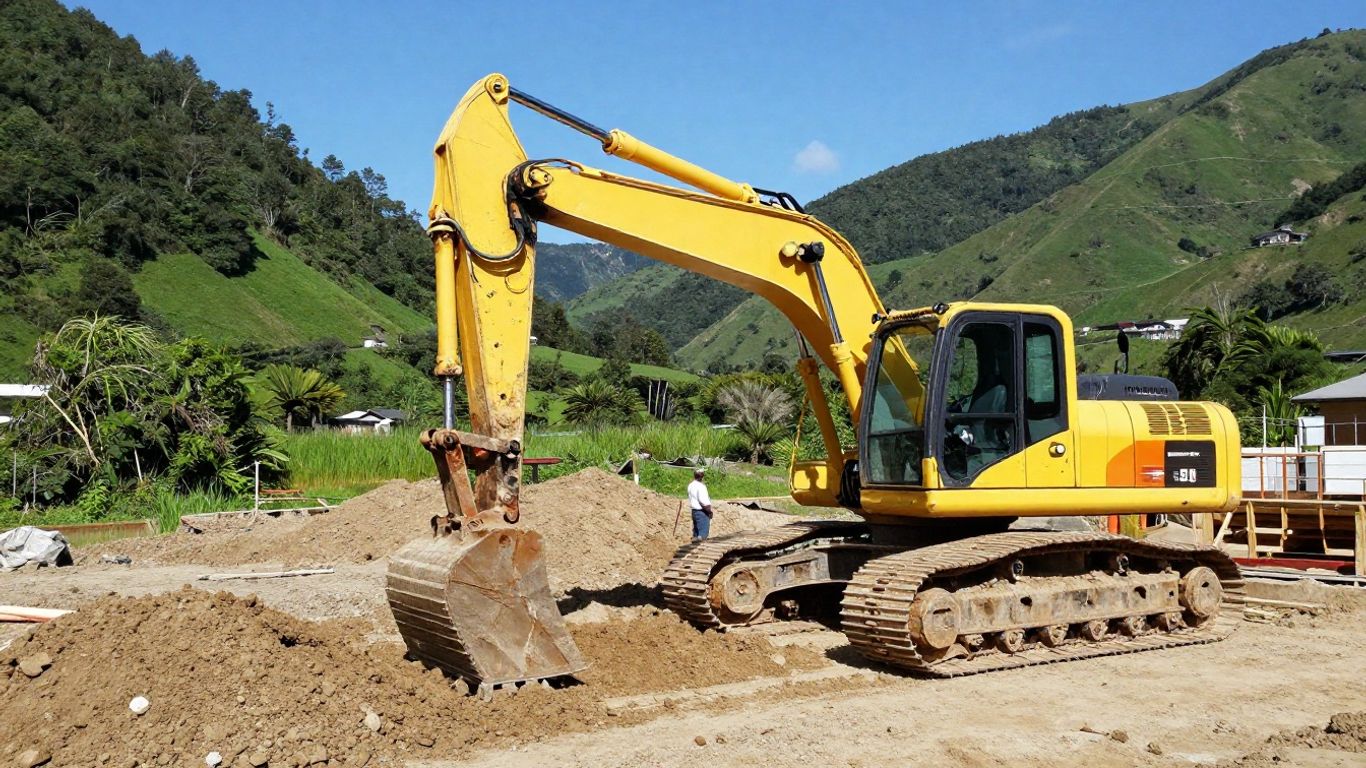
Safety certifications act as a baseline indicator of a contractor's commitment to maintaining a secure work environment for everyone involved. Contractors who prioritize training generally maintain higher standards across all aspects of their project execution.
Verifying public liability and contract works insurance
Insurance is the primary safety net for your investment, covering potential damages that may occur during the construction process. Always confirm that the contractor holds sufficient public liability and contract works coverage to protect your property and the project infrastructure.
Reviewing project portfolios and local case studies
Seeing evidence of similar completed projects helps verify that the contractor is comfortable with the specific demands of your site. You can view detailed project insights to understand how firms manage complex ground conditions and diverse construction requirements.
Checking regional licensing and environmental permits
Legitimate contractors must operate with the correct licensing and environmental permits, which are vital for meeting regional construction codes. You may choose to find registered excavation contractors in Bay of Plenty through local business registers to verify their public records before commitment.
Assessing machinery and technical capabilities
Having the right tools for the job is essential to achieving efficiency and meeting strict accuracy tolerances on your project. The best contractors often employ specific tech to speed up the process while guaranteeing outcomes.
Matching equipment size to site accessibility
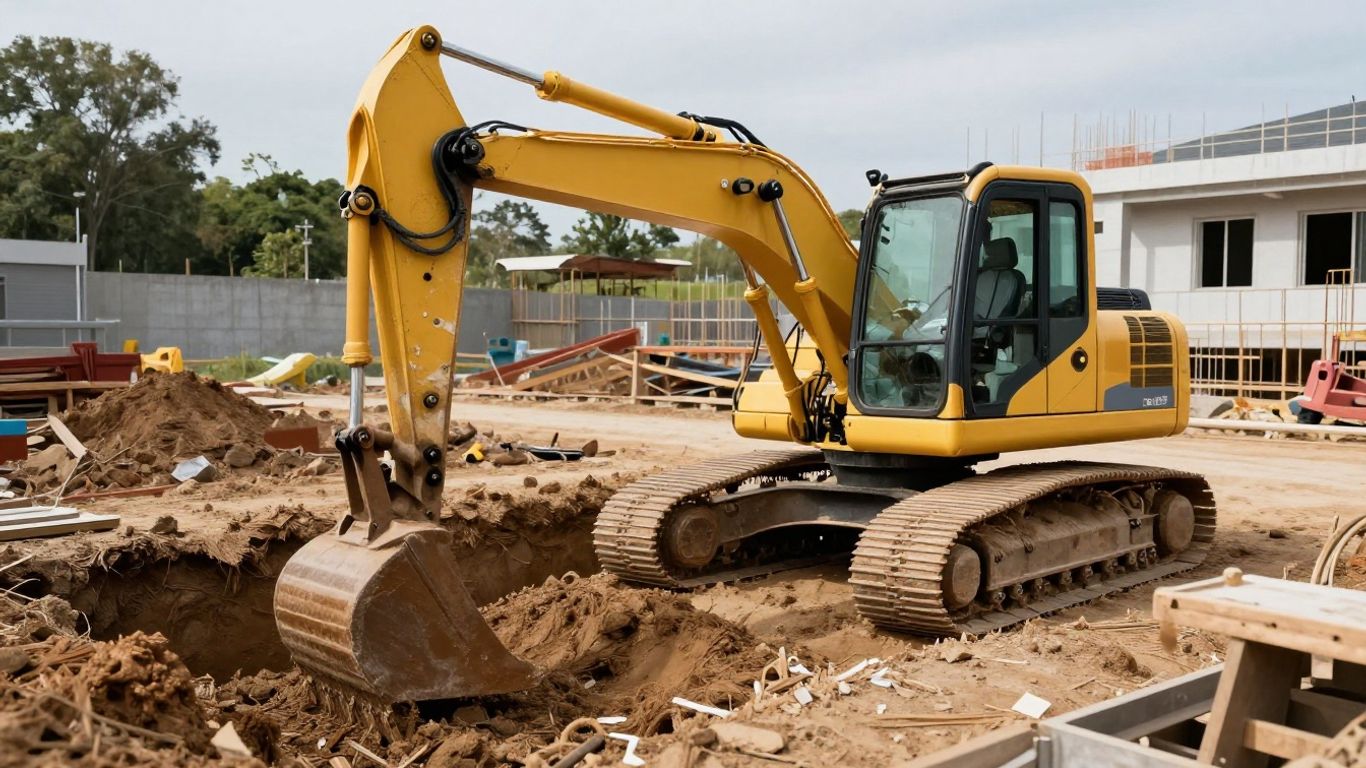
Large machines cannot always navigate tight sites, while underpowered equipment will struggle to move significant volumes of soil efficiently. Selecting a contractor with a versatile fleet ensures they can navigate your specific boundaries without compromising performance.
Utilizing laser leveling and GPS technology
Modern earthmoving relies on advanced grading systems to achieve high levels of accuracy, often within millimeters. This level of precision minimizes waste, optimizes site drainage, and ensures that the final surface is ready for the next trade without unnecessary corrective work.
Managing heavy haulage and spoil removal
Efficient spoil removal is crucial to keeping a site clear and productive, especially when dealing with large-scale cut-and-fill operations. A professional team manages fleet movements to ensure traffic and debris never become a bottleneck for other activities.
Maintenance standards for onsite equipment
Well-maintained machinery is less prone to mechanical failure, which directly impacts the reliability of your project timeline. Consistently serviced equipment shows that the company takes its operational discipline seriously, reducing the risk of mid-build downtime.
Securing transparent pricing and project timelines
Understanding the financial structure of your excavation contract is essential for maintaining control over your overall build budget. When contractors provide open, honest assessments upfront, it builds the trust required for a successful long-term working relationship.
Understanding hourly rates versus lump-sum contracts
Selecting the right pricing model depends on the predictability of your ground conditions and the scope of work. Many clients prefer lump-sum contracts for defined site preparation to reduce budget uncertainty, though some situations are better served by hourly rates if the workload is variable.
Accounting for unforeseen ground-condition risks
Even with the best planning, excavation can reveal hidden challenges that complicate the original schedule. The table below outlines how common project variables might impact your site planning:
| Risk Factor | Impact on Timeline | Cost Implication |
|---|---|---|
| High Soil Moisture | Significant | Moderate |
| Buried Underground Assets | Minimal | High |
| Challenging Site Access | Moderate | Low |
By identifying these factors early, you and your contractor can build a buffer into both your budget and your project timeline.
Establishing realistic project milestones
Setting clear milestones allows you to track progress accurately against the anticipated completion date. A good contractor will communicate these points clearly, ensuring that you know exactly what should be finished at each stage of the earthworks.
Clarifying the payment schedule and invoicing process
Transparent invoicing practices ensure that there are no surprises when it comes time for billing and final settlement. Establishing these expectations early in the conversation helps keep the relationship professional and focused purely on project delivery.
Managing the contractor relationship throughout the build
Successful earthworks rely on seamless collaboration between you and the experts managing the site ground. Maintaining a professional dialogue is how Peard Excavation ensures that the original site vision matches the physical result on the ground.
Setting clear channels of communication
Designating a single point of truth for project updates helps prevent misunderstandings and keeps everyone aligned on the day-to-day progress. Regularly scheduled check-ins provide the structure needed to address concerns before they escalate into larger issues.
Handling onsite changes and variation orders
Changes are occasionally inevitable on complex sites, but managing them correctly is vital for keeping costs transparent. If you need to navigate these during your build, consider these standard steps:
- Draft a written description or diagram of the requested change.
- Receive an itemized quote for the additional work or material costs.
- Formally approve the adjusted scope of work in writing.
- Update the project schedule to account for potential impacts.
Following this protocol ensures that every participant remains accountable and that the final figures reflect the documented work actually performed.
Quality control and site cleanup protocols
Leaving a site in a professional state at the end of the day or project phase is a hallmark of a high-quality contractor. Cleanliness is not only aesthetic; it ensures that your site is ready for the subsequent trade teams to begin their work immediately.
Final sign-off and site inspection requirements
End-of-project inspections are the ultimate check to ensure that all work meets the engineering and council criteria specified at the beginning. By completing a final walk-through with a Peard Excavation representative, you confirm that every aspect of the excavation meets the agreed-upon standards.
Conclusion
Selecting the right excavation contractor in the Bay of Plenty is a foundational decision that influences your project's overall speed, safety, and final success. By prioritizing clear scope definitions, verified professional standards, and transparent communication, you minimize the risks associated with ground development and secure a reliable outcome for your residential, commercial, or rural investment.
Frequently Asked Questions
Why is site assessment important before excavation begins?
An initial assessment provides essential data regarding soil stability, access requirements, and potential underground hazards that could delay or increase the cost of your build.
How does soil type affect excavation costs?
Different soil compositions exert varying pressures on equipment and movement efficiency, meaning sandy, clay-heavy, or rocky terrain each require different machinery capabilities and time estimates.
Does weather impact the excavation schedule?
Yes, excessive rainfall can saturate ground conditions and compromise site stability, forcing contractors to adjust or pause activities to maintain safety and work quality standards.
What does bulk excavation mean?
Bulk excavation typically refers to the mass removal of large volumes of earth from a site to prepare a foundation or infrastructure area for construction.
Can a contractor handle drainage and excavation simultaneously?
Many modern firms integrate these services, allowing for a more cohesive workflow that keeps the site organized and prevents the need for separate sub-contractors on the job.
How is environmental compliance maintained?
Contractors manage environmental risks through the installation of sediment controls, runoff management systems, and vegetation clearance protocols designed to prevent erosion and meet local council requirements.
What happens if the contractor discovers something unexpected?
When unknown risks like buried tanks or hazardous materials emerge, a reliable contractor will immediately pause work to consult with you and necessary professionals to ensure the issue is resolved safely.