
Key Takeaways
Understanding the factors behind project pricing ensures your build remains on track and within budget. These core elements influence your overall spend:
- Site accessibility significantly affects the type and size of machinery required for internal tasks.
- Soil composition often dictates the cost of excavation and disposal due to weight or density differences.
- Removing surplus earth is a distinct logistical cost that varies by site distance and tip access.
- Permits and council-mandated erosion controls are fixed compliance costs that vary based on project scale.
- Unexpected ground conditions, such as rock or unstable soil, require a contingency budget of 10-20%.
Understanding the key drivers of excavation prices
Excavation pricing is rarely a one-size-fits-all figure, as every property presents a unique set of conditions that influence the time and resources required. Homeowners and developers often overlook the compounding effects of site-specific variables that can turn a simple dig into a complex operation, making clear communication with your contractor essential for cost accuracy. By partnering with Peard Excavation, developers can leverage professional knowledge to identify these variables early and avoid common budget pitfalls.
Site access and transport logistics
The ability of heavy machinery to reach your worksite without obstruction is a major determinant of your total invoice. Narrow residential driveways, overhead powerlines, or steep residential streets often necessitate the use of smaller, specialized excavators or manually assisted work, which naturally extends the project timeline compared to open-site access. The following machine constraints often impact cost:
- Tight-access excavators and micro-diggers for narrow corridors.
- Additional labour for hand-digging where machines cannot fit comfortably.
- Traffic management plans for urban sites requiring street-side truck parking.
- Increased load cycle times in confined spaces due to limited manoeuvrability.
When these accessibility challenges arise, the added time required to safely navigate tight spaces directly reflects in the final per-hour or fixed-quote figures.
Soil type and geological conditions
Different soil structures ranging from heavy clay to volcanic ash or compacted rock influence the ease of digging and the cost of disposal. Sandy, loose soils may require extra shoring to prevent collapse, while wet clay often presents handling difficulties that slow down the loading process significantly.
Volume of material requiring removal
The total cubic metres of soil excavated defines the number of truck cycles needed for off-site removal, which is typically the most significant variable in large earthmoving costs. Estimating this volume accurately during the design phase is crucial for accurate budgeting throughout your build.
Professional expertise and experience levels
Working with an experienced operator ensures that precision is kept to a high standard, frequently reducing the need for expensive rework or follow-up earthmoving. Expertise also allows for better assessment of soil conditions and site risks, preventing costly errors that might occur with less experienced providers.
Regulatory compliance and local permit fees
Local council requirements for earthworks usually include site inspections and documentation for drainage or retaining structures, which represent necessary overheads before any soil is moved. Ensuring full compliance from the start prevents costly fines or stop-work notices that could otherwise inflate your project expenses significantly.
Site-specific challenges in the Bay of Plenty
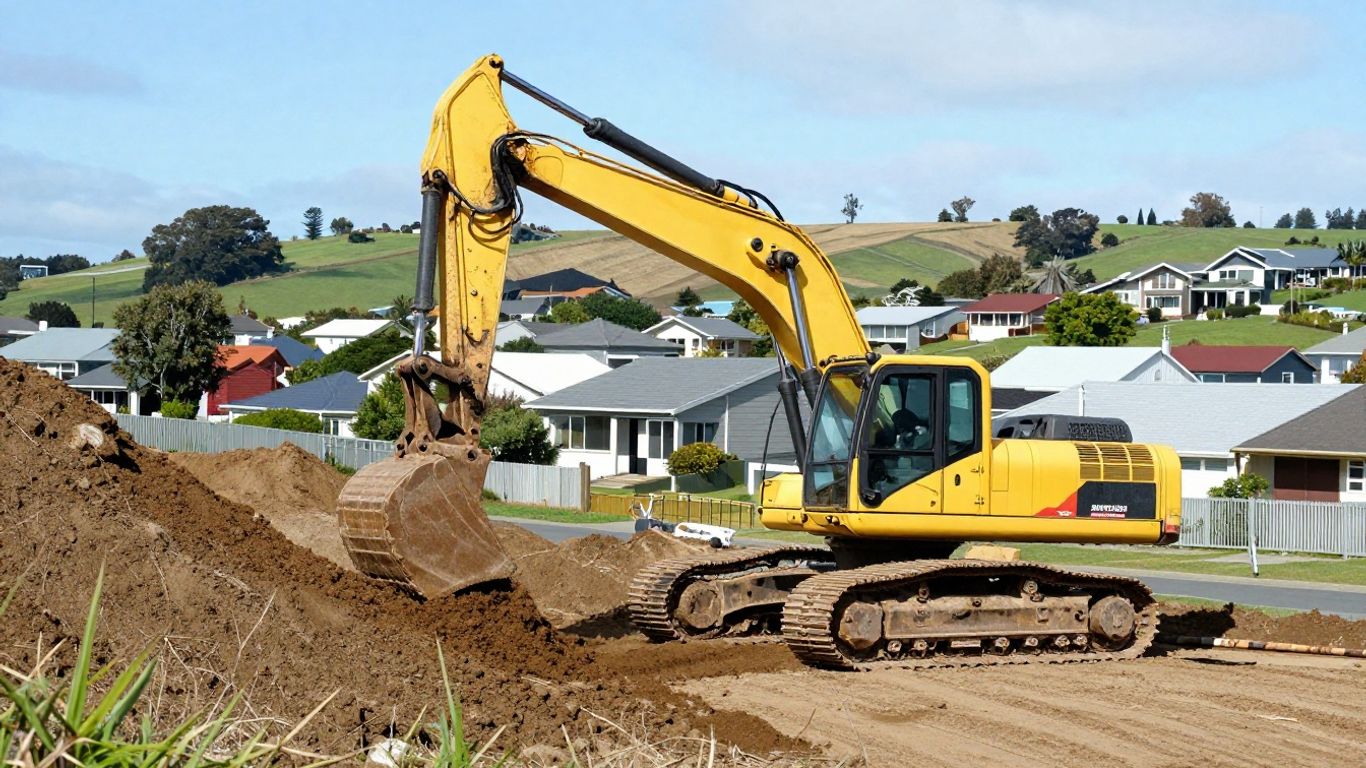
The unique topography and environmental characteristics of the Bay of Plenty region demand a tailored approach to earthmoving. Navigating these regional specifics accurately is a core strength of Peard Excavation, ensuring that your groundworks meet the rigid tolerance required for lasting stability.
Managing Tauranga’s volcanic soil characteristics
Volcanic soil variations across the Tauranga basin can be highly unpredictable, requiring specific assessments to determine how the ground will react once disturbed. Understanding whether a site contains soft volcanic ash versus firmer layers is vital for selecting the right machinery and ensuring the foundation prep holds tight long-term.
Dealing with steep slopes and hillside excavation
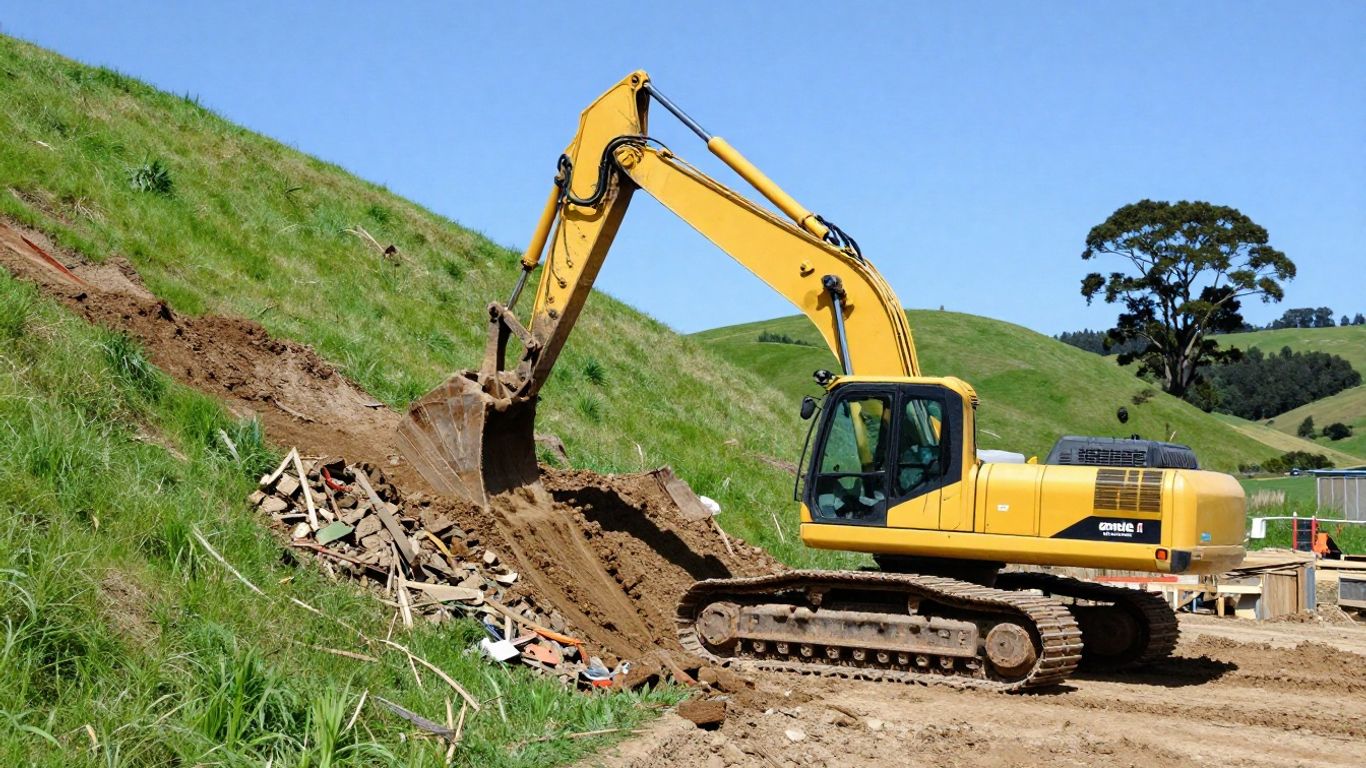
Hillside properties in the region often require complex benching or tiered excavation to create viable building platforms. These operations necessitate advanced equipment and structural stabilization techniques to ensure that once the shape of the land is altered, the soil remains stable to prevent long-term erosion risk.
Addressing high water tables and drainage requirements
Many low-lying areas in the Bay of Plenty feature high water tables that require immediate mitigation before any slab work can commence. Proper drainage installation during the excavation phase is essential to prevent moisture buildup underneath new structures, which could otherwise compromise the integrity of the concrete floor.
Navigating proximity to neighboring properties and boundaries
Excavating near shared property lines often requires careful soil retention and boundary protection measures to safeguard adjacent infrastructure. Coordinating these logistical necessities early prevents damage claims and ensures that your construction work stays within your legal boundary while maintaining an efficient site pace.
Estimating costs for common residential earthworks
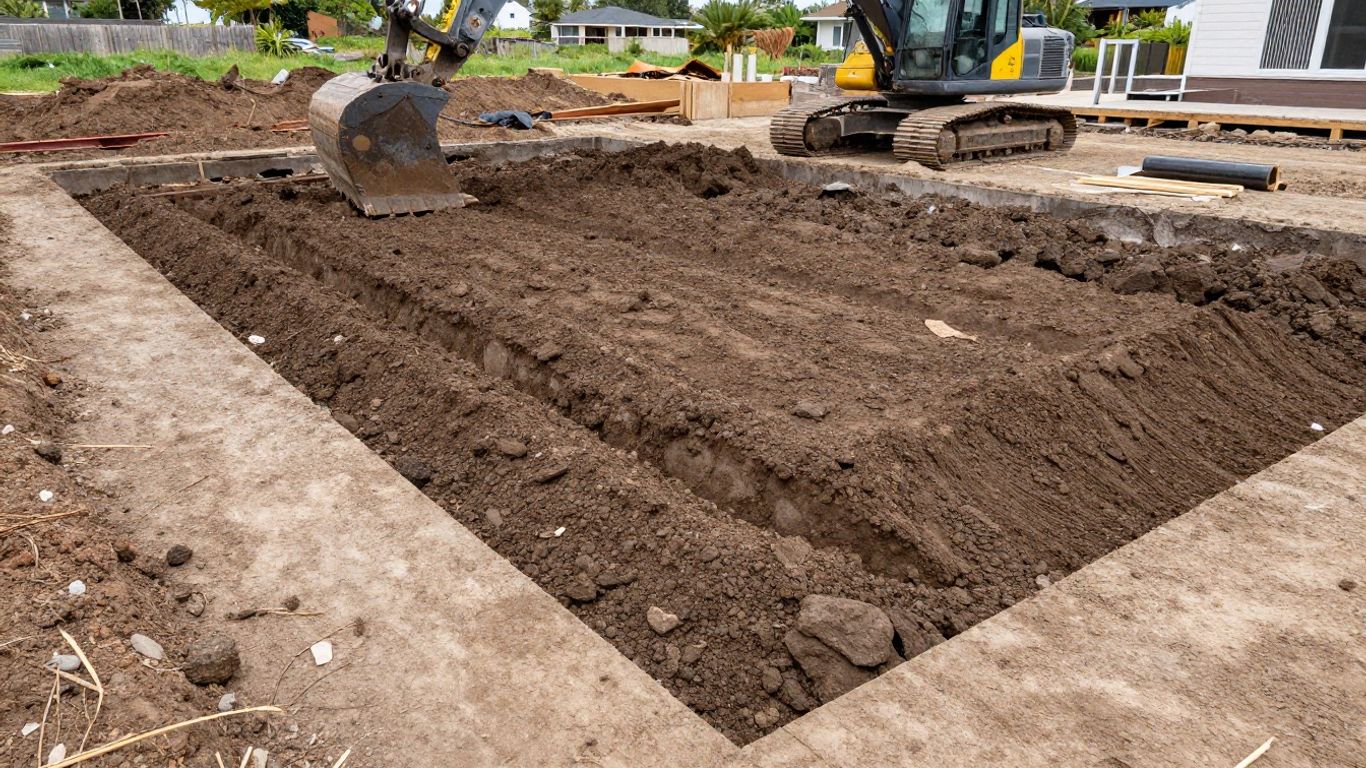
Residential earthworks often fall into predictable categories, though site conditions will always create variance from the average market estimate. Obtaining a detailed scope of work before breaking ground allows for a much more accurate cost projection.
| Project Type | Average Cost Range | Key Pricing Variable |
|---|---|---|
| Foundation platform | $2,000 - $8,000 | Site slope and soil density |
| Pool excavation | $3,500 - $12,000 | Ground rock and debris removal |
| Driveway construction | $3,000 - $10,000 | Subgrade prep and aggregate volume |
Using this information enables you to evaluate quotes properly and understand which aspects of your project carry the highest potential for budget fluctuation.
Preparation for house foundations and building platforms
The foundation setout is arguably the most sensitive phase of your project, where accuracy is paramount to your later building stages. Ensuring the site cut is level and well-compacted provides the essential base required for modern architectural builds across the region.
Digging for swimming pools and spas
Pool projects involve precision digging to specific depths and shapes, often in confined backyards that require specialized logistics for material removal. High-tech equipment helps to keep costs down by reducing the need for extensive manual labour in small residential spaces.
Installing driveway and pathway substructures
Driveways are more than just a surface; they require robust base construction and proper grading to ensure water runoff doesn't lead to premature surface failure. A well-constructed base allows for a lasting driveway finish that handles heavy traffic and weather events typical of the local climate.
Excavation for new drainage and utility lines
Underground utility services must be excavated with care to avoid damage to existing pipework while meeting exact depth requirements for council compliance. Integrated excavation and pipe-laying services can help to reduce project downtime significantly by removing the need for extra sub-contractors on-site.
Hidden costs to include in your project budget
Unexpected expenses often emerge in the details of soil disposal and machine usage, which are frequently missed in preliminary budget estimates. Preparing for these potential additions prevents project stalling when unforeseen ground conditions arise.
Disposal fees and cleanfill transport logistics
Getting rid of excavated material involves more than just digging; it requires a destination site for spoil management and the cost of transport for every load removed. Ensuring that the disposal location is nearby minimizes your total transport expenditure, as loading fees and tip costs can fluctuate based on the volume processed.
Hiring specialized machinery and custom attachments
Sometimes a job requires a specific type of hydraulic attachment, such as a concrete breaker or specialized drill, which carries an additional rental or delivery fee. Renting these items only for the necessary duration helps to optimize the cost profile of your specific project.
Remediation and final site restoration costs
Following the completion of core earthworks, site cleanup and returning the ground to a finished grade can often take longer than expected. Budgeting for final site restoration ensures that you won't be caught off-guard by finishing work that makes the property ready for landscaping or final build activities.
Contingency buffers for unexpected ground conditions
It is wise to append a contingency fund of 10% to 20% to your primary quote to cover obstacles like buried concrete, unexpected rock patches, or unstable fill that may only appear after the first few passes of the excavator. Dealing with these surprises as they arise is a normal part of the construction process.
Choosing the right excavation contractor in Tauranga
Finding a contractor you trust with your site preparation is a vital step toward a successful build. A robust contractor balances safety, clear timelines, and open communication to keep you updated throughout the operation.
Evaluating local license and insurance credentials
Verify that the contractor holds relevant liability insurance and complies with current health and safety standards for the Bay of Plenty. Professional accreditation and a history of successful regional work provide peace of mind that your project remains legally compliant and financially protected throughout.
Comparing quotes based on detailed scope of work
When comparing estimates, look closely at what is included rather than just the final price, as some quotes may exclude disposal or permit management fees. A comprehensive scope that details exactly what the machinery will accomplish prevents misunderstandings and hidden costs later in the process.
The value of site-specific local experience
Contractors with a deep understanding of local ground conditions and regional planning requirements can often identify potential risks before they become expensive problems. This experience means they are better equipped to advise on potential cost-saving measures that work in harmony with your local environment.
Communicating timelines and heavy equipment availability
Ensure that the company you select has the equipment capacity to finish the work within your desired timeframe to avoid delays to other trades waiting for site handover. Proactive planners who keep their machinery well-maintained can provide a more reliable schedule for completing site works effectively.
Conclusion
Successfully managing your excavation budget in the Bay of Plenty relies on choosing a skilled contractor and preparing for the unique challenges posed by the region's diverse soil and terrain conditions. By prioritizing precision, clear communication, and a well-planned budget, you can ensure your project starts on solid ground while minimizing risks.
Frequently Asked Questions
What do I need to prepare before the excavator arrives?
Before equipment arrives, ensure that all underground services have been identified and clearly marked to avoid accidental damage during the cut. Clear any initial surface obstacles and confirm that there is adequate physical access for trucks and machinery to enter your property safely.
How does the soil type affect the cost of earthworks?
Soil density and composition determine how easily an operator can move and excavate the material, which influences hourly machine rates. Additionally, heavy or unstable soil may require more expensive handling, shoring, or transport procedures for off-site disposal.
Is it better to get a fixed quote or an hourly rate?
Fixed quotes offer price stability for clearly defined projects, whereas hourly rates are often more appropriate for jobs where the ground condition is unknown and the required time is difficult to predict. Discuss your project details with your contractor to determine the most cost-effective arrangement for your specific situation.
How long does the average excavation project take?
Project timelines vary widely based on the complexity, volume of material, and weather conditions, with smaller residential tasks typically spanning a few days. A site-specific assessment is necessary to provide an accurate estimate of the expected milestones and overall completion date.
What should I look for in the quote for earthmoving services?
Ensure the quote provides a transparent breakdown of all costs, including machine hourly rates, travel or mobilization fees, excavation volume, and estimated material disposal expenses. Avoid any quote that lacks detail or provides a vague lump sum without clarifying what that amount encompasses.
Why are disposal fees sometimes an extra cost?
Disposal fees are determined by the volume of soil, the distance to the nearest approved tip site, and the type of material being transported away. These costs are often variable, so it is necessary to confirm how these are managed and whether they are included in your initial estimate.
How can I minimize the costs of my excavation project?
Reduce costs by planning your earthworks during dry weather to avoid wet-soil complications, repurposing excavated fill for landscaping on the same site, and ensuring clear access for machines to move efficiently. Choosing a contractor with local experience and proper equipment can also prevent the need for expensive later-stage corrections.