Key Takeaways
Proper site preparation is the foundational step that determines the long-term success and structural integrity of any commercial development project. By focusing on regulatory compliance, precision earthworks, and integrated utility management, developers can avoid significant project delays and cost overruns.
- Early identification of site limitations ensures realistic planning and budget allocation.
- Council-approved sediment and erosion control is critical for environmental compliance.
- Precision site grading prevents drainage issues by ensuring water flows away from structure foundations.
- Integrated utility installation eliminates coordination bottlenecks between different trade crews.
- Selecting contractors with local expertise minimizes risks associated with unique regional topography.
Understanding commercial site preparation in Tauranga
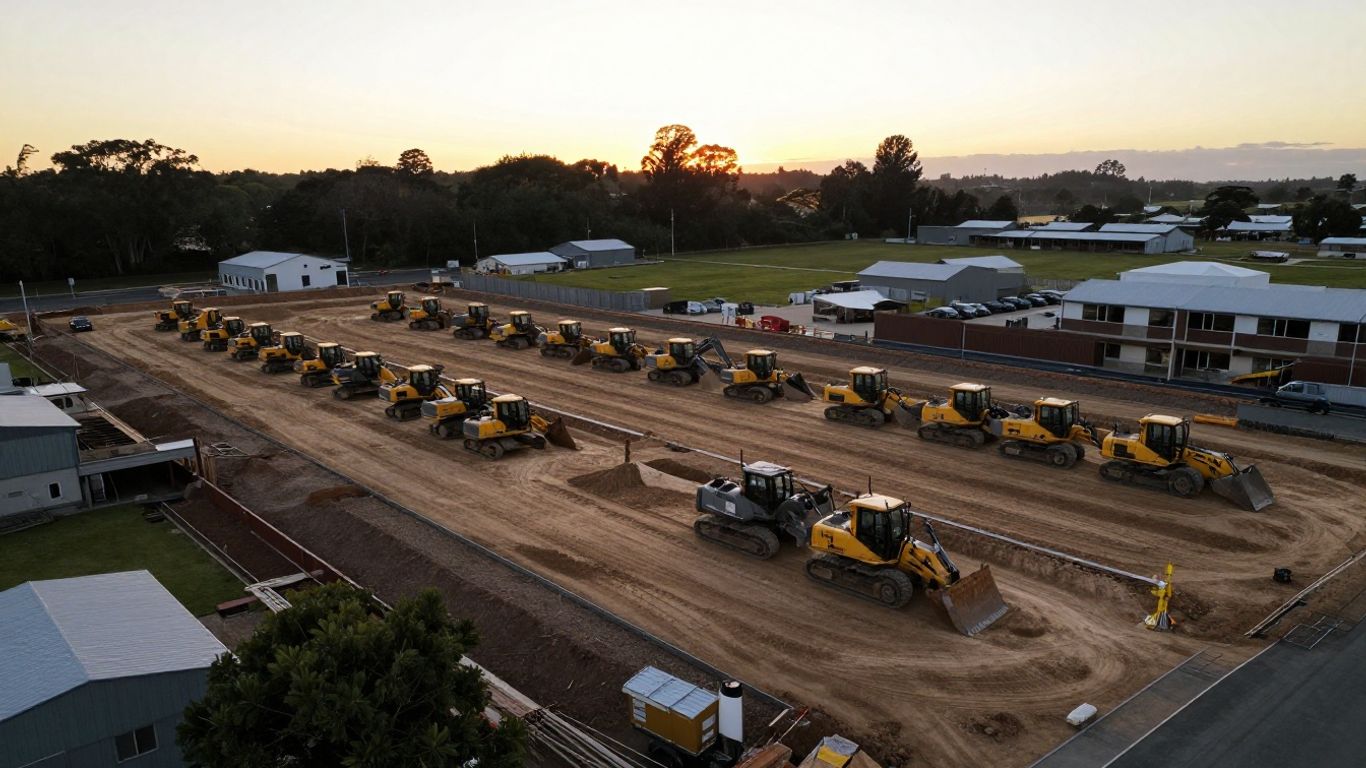
Commercial site preparation is a complex undertaking that requires careful planning to match the specific demands of the Bay of Plenty terrain. Unlike simpler property tasks, preparing a commercial block involves thorough environmental assessment and geotechnical oversight to ensure the land is ready for heavy structural loads. Peard Excavation provides the necessary oversight to handle these site requirements effectively from day one.
Differences between residential and commercial projects
Commercial projects typically involve larger footprints and more stringent engineering requirements than standard housing developments. The magnitude of structural loads often necessitates deep geotechnical testing and soil stabilization measures that go far beyond basic earthworks. A commercial project demands a higher degree of precision in site levelling to accommodate large buildings and massive traffic flow.
Topographical challenges in the Bay of Plenty
The Bay of Plenty landscape offers unique challenges, including varied soil conditions and sloping terrain that requires reactive management. Developers must account for these variations early in the planning phase to avoid unexpected costs once digging begins. Professionals who understand the local ground conditions can significantly mitigate the risks associated with moving large volumes of soil or managing natural water runoff patterns.
Identifying project scope and site limitations
Defining the scope of work early ensures that all parties understand the constraints of the land, such as buried services or existing vegetation. A clear feasibility assessment is essential for recognizing potential obstacles before they impact the timeline or the budget. Identifying these factors early allows the project team to develop specific strategies for site access, material storage, and safety buffers.
Regulatory compliance and council requirements
Navigating the regulatory environment in Tauranga is a mandatory part of the development lifecycle, demanding strict adherence to local council standards. Every project must align with regional environmental protections and building codes to progress beyond the planning stage without legal or financial friction. Engaging local experts who are familiar with specific documentation requirements helps prevent administrative backlogs during the consent application process.
Navigating Tauranga City Council resource consents
Resource consents are the primary mechanism for ensuring that a proposed development meets local standards for zoning and land use. The council assesses each application based on the potential impact of the work on the local roading, existing utility infrastructure, and environmental sensitivity of the area. Completing this process requires detailed maps and engineering reports that leave little room for error.
Managing environmental impacts and sediment control
Active construction sites in the Bay of Plenty must maintain robust sediment control systems, especially during periods of heavy rainfall. Failing to capture runoff can lead to downstream contamination, resulting in heavy council fines and immediate work stoppages. Implementing site-specific solutions like silt fencing or sediment traps is a standard, yet critical, component of the preparation phase.
Health and safety standards for active construction sites
Workplace safety is non-negotiable, particularly when operating heavy machinery near public roads or sensitive areas. Developing a site-specific safety plan that accounts for traffic management and hazard reporting keeps workers and the public protected throughout the demolition or excavation phases. Peard Excavation emphasizes maintaining these high standards through proactive communication and site-specific risk assessments.
Essential earthworks and excavation steps
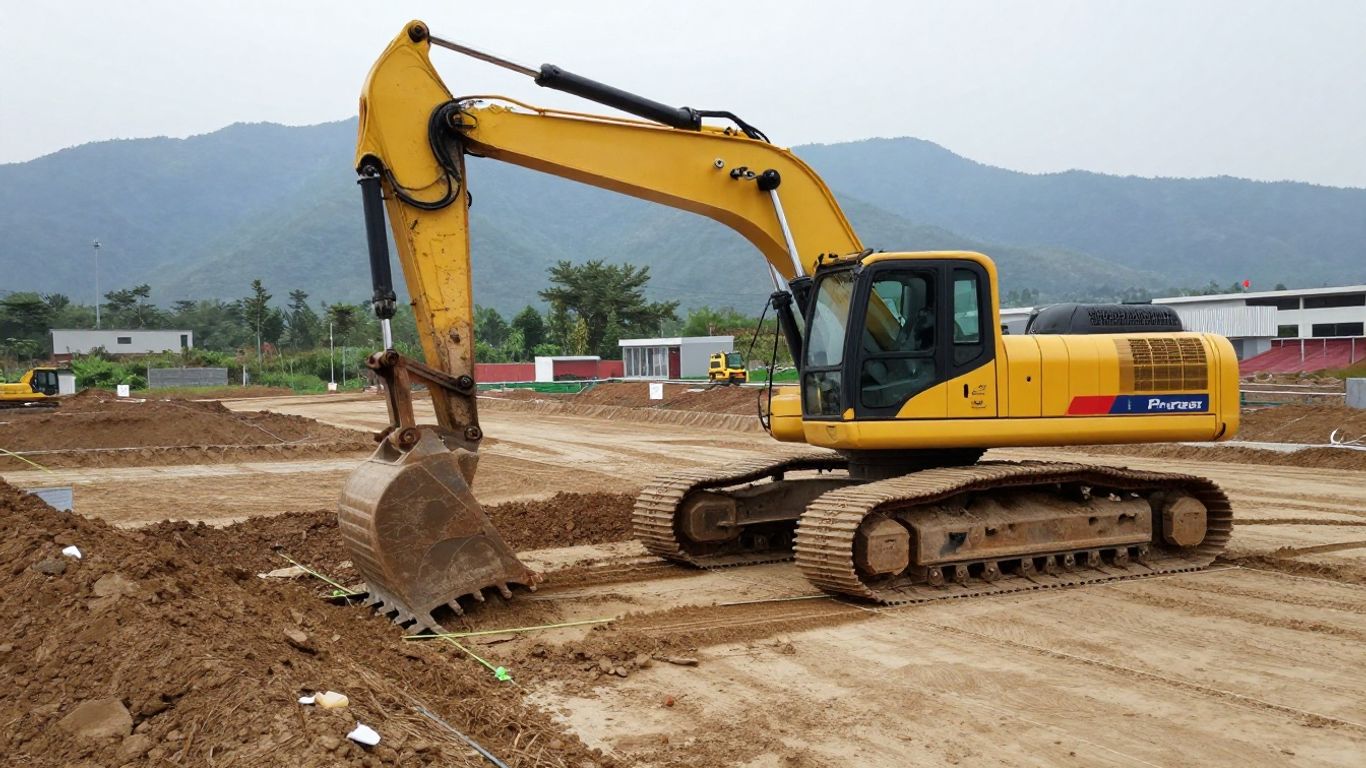
Earthworks are the physical heart of site preparation, transforming raw land into a buildable platform. This phase involves removing topsoil and leveling the subgrade to provide a flat, stable foundation. Using the right equipment is what makes the difference between a project that runs smoothly and one that suffers from ongoing, preventable ground issues.
Clearing, grubbing, and subgrade preparation
Preparing the site begins with the clearing of vegetation and topsoil, which must be carefully stripped and managed. Once the site is cleared, the subgrade must be compacted and tested to confirm it can carry the intended weight of the building. This stage is where builders identify if additional soil improvement is required to reach the necessary structural bearing capacity.
Managing soil disposal and bulk earthwork logistics
Moving large volumes of earth requires careful logistics to minimize transport costs and keep the surrounding roads clear of debris. Efficient earthmoving relies on calculating cut-and-fill balances that keep most of the site material on-site where it can be reused for raising levels. Expert planning ensures that material movement happens in a logical sequence that does not trap workers in areas designated for deeper excavation.
Implementing precision grading for effective drainage
Precision grading is the final, critical step in establishing the desired slope for water runoff and surface stability. By using advanced equipment for laser-guided grading, contractors can achieve high tolerances that save time and money during the foundation phase. Below is a comparison of common earthmoving equipment used to maintain these levels.
| Equipment Type | Best Application | Accuracy Precision |
|---|---|---|
| Large Excavator | Bulk Cut/Fill | High |
| Motor Grader | Flat Finishes | Extremely High |
| Small Digger | Detailed Trenches | High |
Achieving this precision is vital for the longevity of the final structure, as proper drainage prevents moisture from pooling around critical foundation points.
Infrastructure and utility service integration
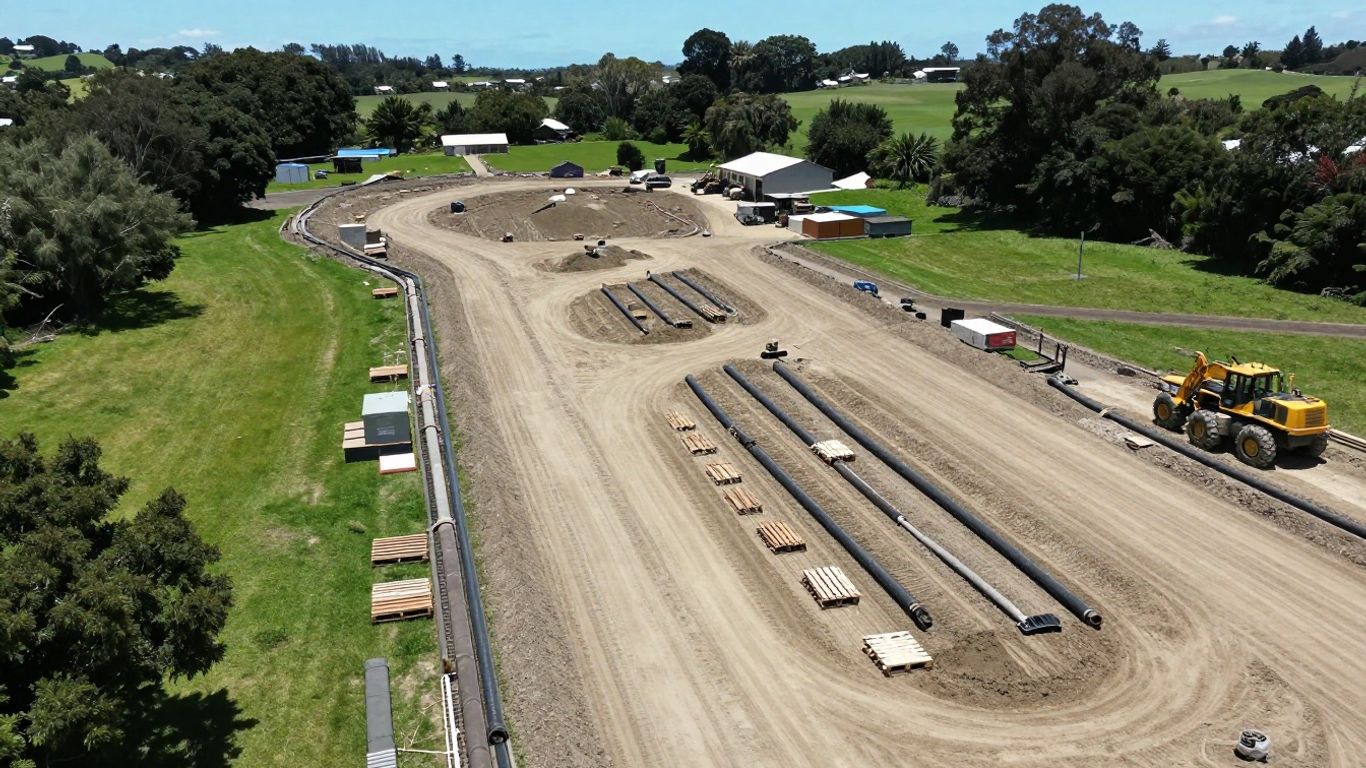
Integrating services effectively ensures that the site is ready for structural foundation work without requiring post-concrete trenching or re-digging. This requires careful sequencing, as underground pipes must be installed when the site is at the correct elevation but before heavy structural work begins. The goal is to build a reliable network that serves the commercial premises for years to come.
Coordinating pre-slab underground utility installations
Installing utilities such as wastewater and electricity before the slab is poured is standard practice for modern commercial builds. The following steps summarize how we typically ensure all services are ready prior to foundation arrival:
- Mapping all existing and new line locations across the construction footprint.
- Trenching utility channels to the exact design specifications provided by the project engineer.
- Installing conduits for power, communications, and water infrastructure.
- Compacting trench backfill to ensure it matches the surrounding load-bearing requirements.
- Performing final pressure testing to confirm that no leaks were introduced during installation.
Following this protocol allows for a clear, unobstructed path for the subsequent foundation trades.
Planning for stormwater and wastewater connectivity
Effective management of water infrastructure requires exact connections to the municipal grid, which often involves challenging depth and gravity requirements. Peard Excavation avoids costly project delays by managing these connections as part of the overall earthmoving schedule. Proper alignment here is essential for permanent structural success in any commercial development.
Preparing site foundations for heavy structural loads
Foundation preparation marks the conclusion of the initial preparation process, focusing on densifying the ground to prevent settling. Concrete pads designed for heavy-duty commercial equipment require clean, dry, and perfectly level beds. Ensuring the underlying ground is well-drained and properly compacted gives the builders a stable surface to begin their work, effectively removing the chance of future foundation failure.
Selecting the right commercial contractors in Tauranga
Finding a contractor capable of managing large commercial sites requires moving beyond the lowest bid to evaluate true project capacity. A reliable contractor provides more than just machinery; they offer the logistical experience to manage unexpected ground conditions and complex regulatory demands throughout the life of the project. Developers should prioritize teams that can demonstrate a history of successful, council-compliant commercial outcomes.
Evaluating technical equipment and fleet capacity
An capable contractor should maintain their own modern fleet, reducing the reliance on third-party equipment and internal scheduling conflicts. Machinery like tiltrotators and laser-guided grading systems allow for rapid, accurate production that minimizes the duration of the site preparation phase. Reliable performance is measured by the ability of the machinery to handle the unique geology of a specific site.
Assessing experience with local geographical conditions
Decades of local experience teach contractors which parts of Tauranga require specialized stabilization techniques and which areas are prone to high water tables. Using a contractor with deep regional roots means they have likely already solved the exact problem you are currently facing on your development site. This history translates to fewer mistakes and a faster, more predictable construction timeline.
Reviewing project documentation and safety records
Before finalizing a contract, developers should request evidence of health and safety certifications and past project documentation. Transparent contractors are always willing to share their safety practices and provide references for similar commercial scopes they have completed. A solid commitment to safety and detailed project tracking is a characteristic of a partner who manages the job with long-term reliability in mind.
Conclusion
Commercial site preparation is a foundational discipline that requires a seamless blend of careful planning, regulatory knowledge, and precision earthwork execution. By investing in the right contractors and following a systematic approach to grading, drainage, and infrastructure, developers in Tauranga can ensure their building process moves forward without unnecessary hurdles or risks. Achieving a stable, compliant, and well-organized site is the surest way to guarantee that subsequent project phases are completed safely and efficiently.
Frequently Asked Questions
Why is geotechnical testing required before commercial site preparation starts?
Geotechnical testing identifies the specific load-bearing capacity of the soil, which determines whether the site requires additional stabilization or specific foundation designs to support a commercial building.
How does precision grading affect the long-term integrity of a site?
Precision grading ensures water moves away from the building towards designated drainage points, preventing moisture from causing erosion or damage to the foundation of the structure over time.
What are the main risks of poorly managed sediment during earthworks?
Poorly managed sediment can lead to environmental contamination, leading to significant legal liability, remediation costs, and potential shutdown orders from local council regulatory authorities.
How does using a single contractor for earthworks and drainage benefit a project?
Using one team for both services removes the need for multiple subcontractors, streamlining scheduling and reducing the chance of miscommunication regarding site elevation and connectivity needs.
Do all commercial sites require professional demolition prior to preparation?
No, only sites with existing infrastructure, abandoned foundations, or hazardous underground tanks require specific demolition and site clearance activities before the new build can commence.
Why is pre-slab utility installation critical for project speed?
Pre-slab installation allows for all major subterranean services to be positioned correctly before concrete pouring, avoiding costly and difficult excavations after the foundation is already finished.
How long should developers allow for the council consent process in Tauranga?
Timelines for resource consents vary depending on the complexity of the site and the scope of the project, so it is best to allow several months for application submission, review, and approval before the scheduled start date.