Key Takeaways
Starting a new building or renovation project requires a solid understanding of the earthworks involved to ensure long-term stability and compliance. Excavation is a fundamental step that dictates the quality of your future build.
- Professional site assessment is critical for identifying geotechnical risks before breaking ground.
- Proper underground utility identification prevents expensive infrastructure damage and safety hazards.
- Modern equipment and operator skill directly influence the precision of your site preparation.
- Local council consent processes, including building and resource consents, are essential legal requirements.
- Transparent communication and thorough site planning help mitigate common project delays and budget overruns.
Understanding residential excavation project requirements
Residential excavation is more than just moving soil; it is the deliberate preparation of a site to support a structure's foundation and drainage systems for decades to come. Professional contractors, such as those at Peard Excavation, rely on structured planning to ensure that the ground can safely bear the proposed load without shifting or settling incorrectly.
Site assessment and geotechnical reports
Before any machinery enters your property, a thorough site assessment is non-negotiable. This process confirms the ground conditions, including soil density and groundwater levels, allowing engineers to design foundations that prevent future structural issues. Detailed geotechnical reports provide the necessary data to determine if specialized earthworks are required to stabilize your block.
Identifying underground utility infrastructure
Locating existing electrical, water, and sewage lines is a strictly mandated safety step that must occur before any digging begins. Failure to identify these services can lead to major service disruptions, costly repair bills, and significant safety risks for the crew. Using the latest mapping technology helps Peard Excavation identify buried lines accurately, keeping your project compliant and safe from the start.
Evaluating soil stability and drainage needs
Managing water runoff and ensuring soil integrity is vital for a durable landscape. By assessing how water flows across your property, contractors can design drainage solutions that prevent flooding and protect your home's foundation from erosion. Implementing systems now ensures your home stays moisture-free for years to come.
Common types of residential excavation in the Bay of Plenty
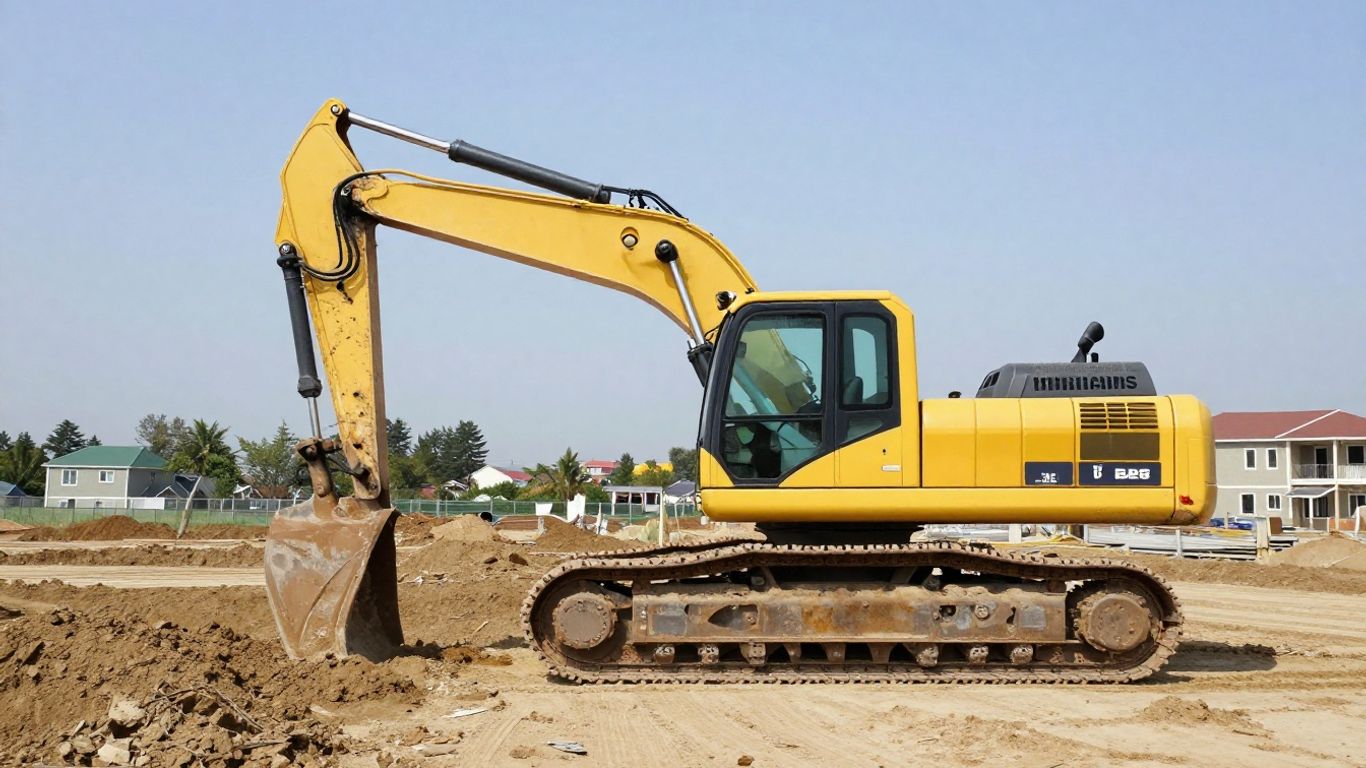
Different excavation tasks require specific machinery and techniques to achieve the desired result efficiently. In the Bay of Plenty, the unique terrain—ranging from flat coastal sections to steep hillside lots—demands a versatile approach to earthworks. The table below outlines how various services ensure your site is ready for construction.
| Service Type | Key Benefit | Typical Timeline |
|---|---|---|
| Foundation Digging | Provides a solid footing for structure | 2-4 days |
| Trenching | Enables safe utility connection | 1-2 days |
| Site Levelling | Creates a uniform building platform | 1-3 days |
Foundation digging and basement excavation
Creating a foundation, whether it is for a full basement or a simple slab, requires extreme precision to ensure the structure sits level and secure. This phase typically involves deep excavation work where accuracy is paramount to avoid over-digging and excessive concrete consumption. Expert operators utilize laser-guided grading to ensure the exact depths indicated in architectural drawings are met.
Trenching for plumbing and electrical conduits
Modern homes require vast networks of plumbing and electrical cabling running under the property. Trenching for these services needs to be performed with care to achieve the correct fall for drainage pipes while keeping electrical lines at required safety depths. Doing this alongside other site works helps streamline your construction footprint.
Site levelling and driveway preparation
Achieving a level building platform often involves balancing the cut and fill across a section to minimize the need for imported soil. This process, coupled with careful compaction, ensures that your future driveway and house site are stable enough to handle heavy loads without buckling or cracking over time.
Demolition and site clearance of existing structures
Removing old buildings, sheds, or overgrown vegetation is the first step in reclaiming your land. This service incorporates the safe disposal of waste materials and the identification of hidden underground tanks or debris that might interfere with your new build. Clearing the site thoroughly creates a clean slate for the development phase.
Navigating local regulations and permits in Tauranga

Compliance with local bylaws is a major hurdle in any construction project. Homeowners often underestimate the time required to process these applications, but addressing them early saves considerable stress. Understanding the specific residential excavation services Tauranga guidelines ensures that your earthworks remain within legal bounds.
Understanding Tauranga City Council building consents
Most significant excavation projects will trigger the need for a formal building consent from the Tauranga City Council. This document confirms that your proposed earthworks meet the national standards for structural safety and site suitability. Working alongside an experienced contractor helps ensure your application is accurate and complete upon submission.
Managing resource consent requirements for earthworks
If your project involves large-scale changes to the natural lay of the land, you may need a resource consent. This focuses on environmental management, such as protecting heritage areas or managing significant shifts in topography. Failure to secure this before starting work can lead to work-stopping orders and hefty fines.
Adhering to safety standards near public infrastructure
Excavating near public roads, footpaths, or shared utilities introduces additional layers of scrutiny. Contractors must follow specific safety standards to protect the public from hazards like falling dirt or machinery accidents. Keeping clear documentation of these safety measures demonstrates professional responsibility and reduces project liability.
Selecting the right excavation contractor for your home
Choosing a contractor who understands your specific site is the most important decision you will make. It is often wise to engage someone who offers an end-to-end service, reducing your need to manage multiple subcontractors throughout the build. A team using high-end machinery will always deliver more consistent results than manual methods.
Verifying licensing and liability insurance coverage
Always ask to see evidence of current liability insurance and relevant industry certifications before signing a contract. A qualified contractor understands the risks associated with earthmoving and maintains the correct professional coverage. This provides you with peace of mind knowing that any unforeseen damage is well-managed.
Checking local experience and professional portfolio
Look for a service provider that has a proven track record within the local region, as they will be familiar with typical soil types and regional council requirements. Reviewing their portfolio allows you to see the quality of their past residential work and their ability to handle complex terrain. Experienced operators often bring practical solutions to unexpected challenges.
Assessing equipment availability for specific site access
Your site's access dimensions dictate the type of machinery needed for the job. Some properties have tight side-access points that require smaller, specialized machinery to get the work done without damaging fences or neighboring property. Ensure your chosen team has the fleet capability to reach your specific project area efficiently.
Factors impacting the cost of excavation
Estimating project costs requires looking at several variables that can fluctuate based on site conditions. Being aware of these elements helps you set a more accurate budget.
Site topography and accessibility limitations
- Steep grades require manual shoring or stabilizing measures.
- Limited property access increases time spent on materials handling.
- Proximity to neighboring buildings necessitates extra safety precautions.
- Existing vegetation density adds cost for effective land clearance.
Disposal fees and soil management costs
Transporting waste material away from your site depends heavily on the volume of soil and its quality. Clean fill can often be disposed of economically, whereas contaminated material—such as soil containing old concrete or plastics—incurs higher dumping fees at approved transfer stations. Budgeting for these disposal logistics is crucial for your project plan.
Project duration and machine operator requirements
Large projects requiring extended machine time and specialized operators naturally carry a higher cost than simple, flat-site jobs. The complexity of the work, such as the need for precise benching or complicated trenching paths, directly impacts the hours logged. An owner-operated firm can often provide more transparent pricing by bypassing the coordination delays found in larger, multi-tiered companies.
Conclusion
Approaching residential excavation with professional guidance ensures your project is built to stand. From navigating council consents in Tauranga to managing site-specific drainage requirements, prioritizing experience and local knowledge will save you from costly surprises. Whether your section is flat or challenging, selecting an expert team to handle the earthworks means a smoother build and a stronger foundation for your home.
Frequently Asked Questions
Do I always need a permit for excavation?
Most projects requiring deep cuts or significant filling of land will need a building or resource consent from your local authority. It is best to clarify this with your council or an experienced contractor before beginning work.
How long does an average site preparation take?
While every site is different, the duration is dictated by the scope of works, weather conditions, and site accessibility. Most standard residential site preparations take between a few days to a week to complete.
Can I do the excavation work myself?
While you can physically move soil, excavation for structural foundations must comply with engineering standards. Professional contractors ensure that depths, compaction, and levels match the structural design of your home.
What happens if the contractor finds unexpected underground issues?
Professional excavation teams are equipped to handle common surprises like buried concrete or pipework. Discovery of major issues usually leads to a pause in work to recalculate the plan and notify the relevant engineers.
Does weather impact the excavation process?
Extremely wet weather can make soil heavy and unworkable, potentially slowing down progress. Good contractors plan around these patterns to avoid damaging the site structure and to keep the project on schedule.
Is the soil excavated from my property reusable?
Often, the soil removed during a cut can be relocated elsewhere on the property to level out other areas. Testing the soil quality is advisable to ensure it is suitable for use as a structural base.
How should I prepare my property for the excavators?
Clear the site of any loose items, mark boundary line indicators, and ensure the access path is clear of parked vehicles or temporary structures. A clear site allows the machines to operate efficiently and safely.