Key Takeaways
Understanding the complexities of local earthworks is the first step toward a successful build in the Bay of Plenty. These five core principles will help you manage your project costs, regulatory compliance, and site efficiency from start to finish.
- Prioritize professional site surveys early to identify hidden geological and environmental constraints.
- Verify that your chosen contractor maintains comprehensive insurance and relevant safety documentation.
- Streamline your project timeline by coordinating excavation, drainage, and site preparation under one experienced owner-operator.
- Use precision-grade technology, such as laser-guided grading, to prevent costly material waste and subgrade errors.
- Prepare your property for seasonal weather impacts by installing robust erosion and sediment controls immediately upon arrival.
Understanding the scope of excavation projects
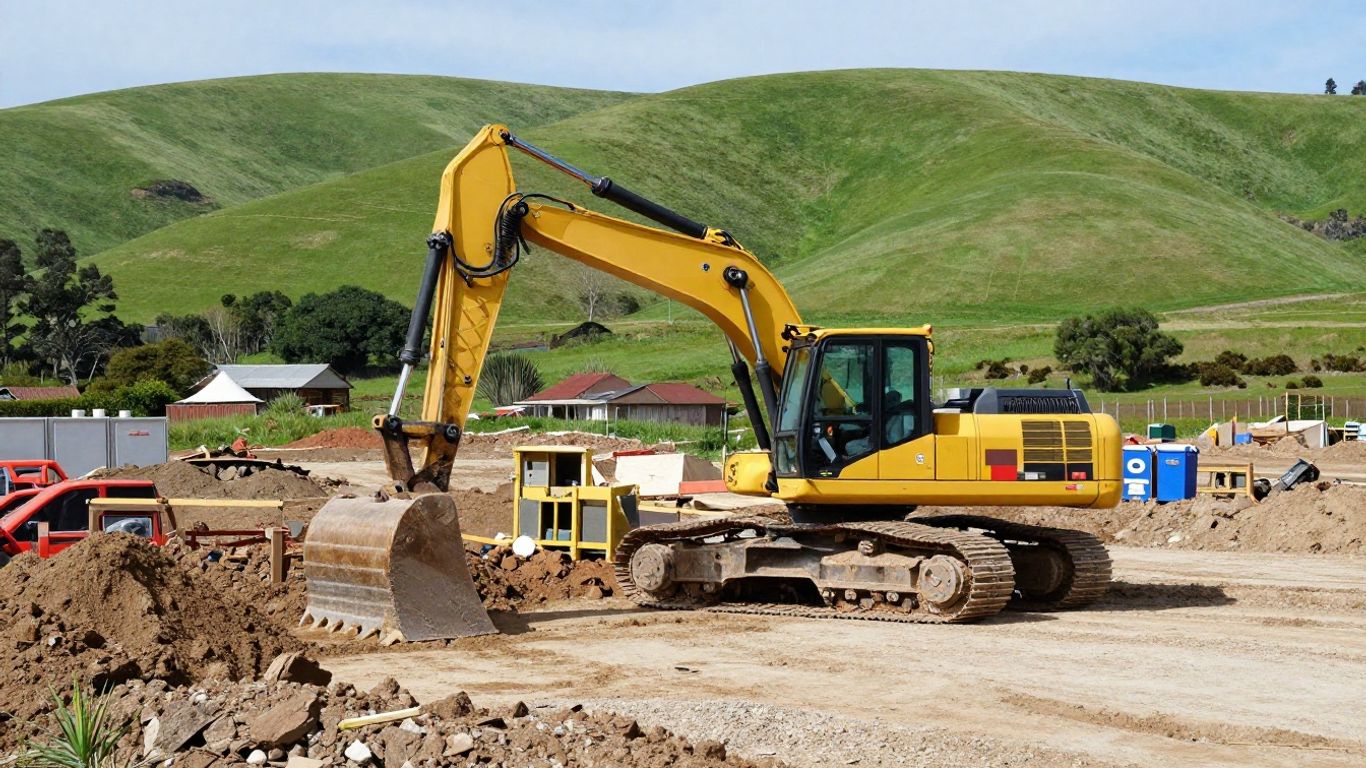
Every construction project begins with moving earth, and getting that stage right determines the success of your entire build. Whether you are dealing with a small residential backyard or a massive commercial site, the scale of work demands a professional hand to navigate soil types and site geometry. Relying on an experienced excavation services bay of plenty provider ensures that your foundation rests on solid, stable ground.
Residential land clearing and site leveling
Clearing a block of land requires more than just pushing dirt around; it is about establishing the correct levels for your future slab. We focus on removing organic material and preparing a firm, level surface before the foundation crews arrive. Precision work during this phase means you avoid the risk of settling or drainage issues later in the project life cycle.
Commercial site preparation for civil construction
Commercial projects operate on tighter tolerances and faster schedules where clear, direct communication is non-negotiable. We manage the delicate balance between bulk earthmoving and precise final trimming to keep your site on track. By maintaining total control over the site flow, we ensure your development meets all structural requirements without the delays often caused by waiting for external subcontractors.
Trenching and drainage solutions for utilities
Efficient infrastructure requires careful handling of underground services, from stormwater pipes to utility lines. Our team expertly coordinates the installation of necessary drainage during initial earthworks to eliminate the need for digging up your site later. Taking an integrated approach allows us to deliver a c90e that meets all regional compliance standards.
Detailed bulk earthworks and soil removal
Moving large volumes of soil safely and effectively is the heartbeat of any major site transformation. From 10m³ to massive industrial footprints, we utilize a modern fleet to perform 5d31 that is both budget-friendly and fast. We prioritize spoil management to keep the site clean, ensuring that trucks are loaded efficiently to avoid unnecessary traffic and delays.
Essential factors to consider when hiring contractors
Selecting the right partner for your earthworks determines whether your project stays on budget or balloons due to hidden inefficiencies. A contractor’s capability is defined by their equipment, their commitment to safety, and their experience with local terrain conditions. If you are comparing options, prioritize companies that offer a high level of accountability and personal service.
Assessing fleet size and equipment compatibility
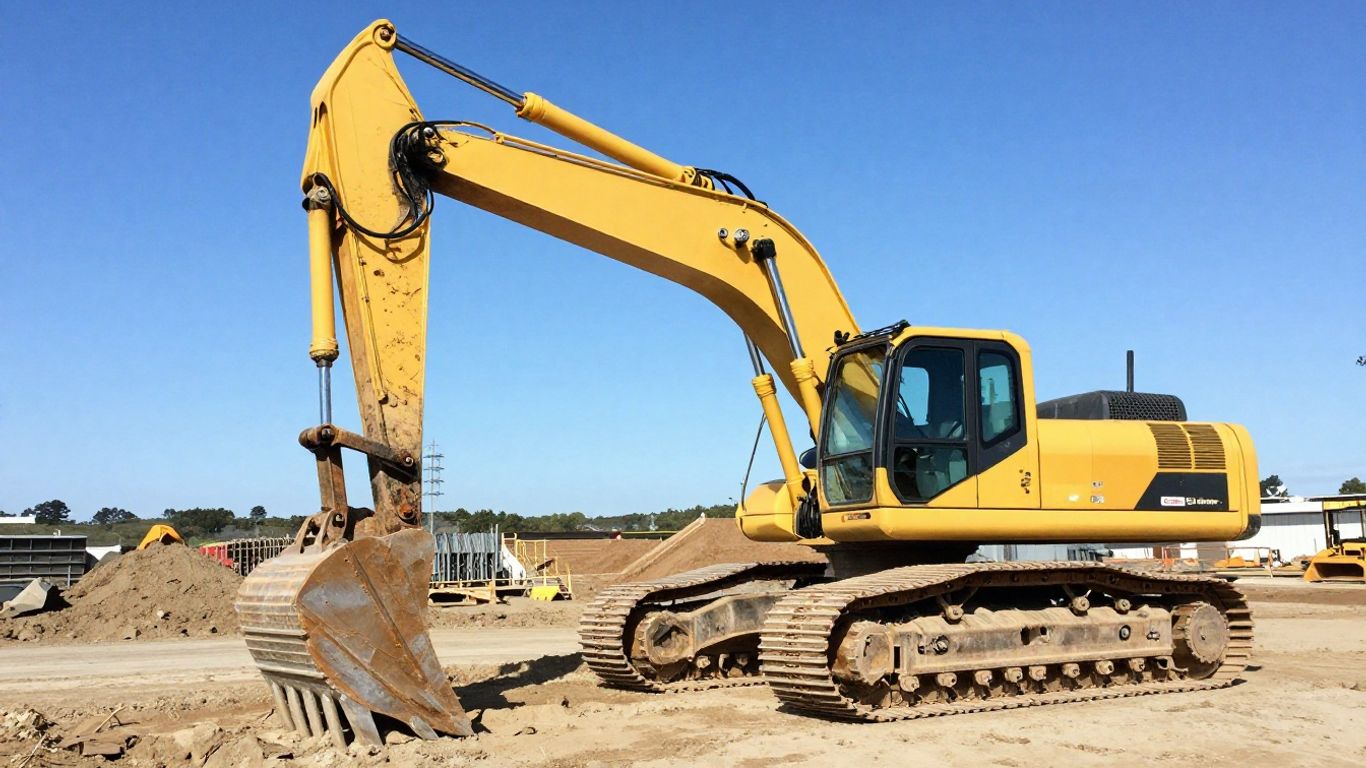
Having the right machine for the task is crucial to achieving high-performance results without damaging surrounding land. We utilize a range of equipment that balances power with the need for tight-access maneuverability. A versatile fleet allows contractors to pivot between bulk clearing and precision work seamlessly.
Verifying licensing, insurance, and safety certifications
Risk management is a critical component of construction, and you must confirm your contractor acts in accordance with current health and safety laws. Always request documentation before allowing heavy machinery onto your land. Professional contractors who pride themselves on their ae39 will have this information readily available for your peace of mind.
Reviewing experience with local Bay of Plenty geological conditions
Regional soil composition, particularly in the volcanic areas of the North Island, presents unique challenges for foundation engineering. Experience with these specific ground types helps contractors avoid pitfalls that could lead to unstable footings or drainage failure. We understand the nuances of the local landscape and adapt our methods accordingly to ensure every site is build-ready.
Comparing cost estimation models and billing transparency
Budget transparency is often overshadowed by unclear quotes and unexpected surcharge claims. We advocate for a clear, no-nonsense approach to project costs, ensuring you understand exactly what you are paying for from day one. Choosing a partner who offers c763 gives you the confidence that your finances are managed with the same precision as your site levels.
Navigating consent and regulatory requirements
Regulatory compliance is the foundation upon which your project is legally permitted to proceed. Navigating council requirements can be daunting, but a disciplined approach to documentation and site standards keeps your build on the right side of the law. Engaging pros early ensures that you are aware of necessary consents for major earthworks well ahead of the dig.
Managing resource consent processing for earthworks
Resource consents are intended to manage the environmental impact of large projects, ensuring your work does not disrupt local water tables or soil stability. We help developers prepare the necessary site assessments that facilitate faster processing times. Navigating these applications requires an eye for detail, as missing a single structural requirement can halt your progress for weeks.
Meeting building consent compliance standards
Your foundation is the most critical component of the build, and council inspectors look for strict adherence to engineered plans. We work consistently to meet these high standards by documenting our compaction levels and using verified materials. A meticulous approach to 4349 reduces the risk of failed inspections and costly rework.
Adhering to regional environmental protection guidelines
Protecting the local landscape during excavation is both an ethical responsibility and a legal requirement in the Bay of Plenty. We utilize modern methods to satisfy regional body guidelines and prevent sediment runoff into nearby waterways. Compliance is not just about avoiding fines; it is about respecting the ecosystem that surrounds your new property.
Coordinating with local council inspections
Passing inspections smoothly requires proactive communication and reliable site documentation. By keeping our sites clean and ensuring all trenches and levels match the plans exactly, we help keep inspectors moving quickly. This coordination minimizes site downtime and keeps the project clock ticking forward.
Addressing common challenges in Bay of Plenty earthworks
Building in our region often feels like a battle against the elements, from volcanic sand to unexpected water ingress. A reliable team with specialized knowledge is your best defense against these unpredictable variables. By anticipating these hurdles early, you can plan your project to withstand both the ground conditions and the weather.
Managing volcanic soils and high water tables
Volcanic soil is notoriously porous yet can be deceptive when saturated with heavy rainfall. We utilize specialized ground-testing techniques to identify potential stability issues before digging occurs. Managing these conditions effectively prevents your foundation from sinking or suffering structural movement over time.
Implementing erosion control on steep topography
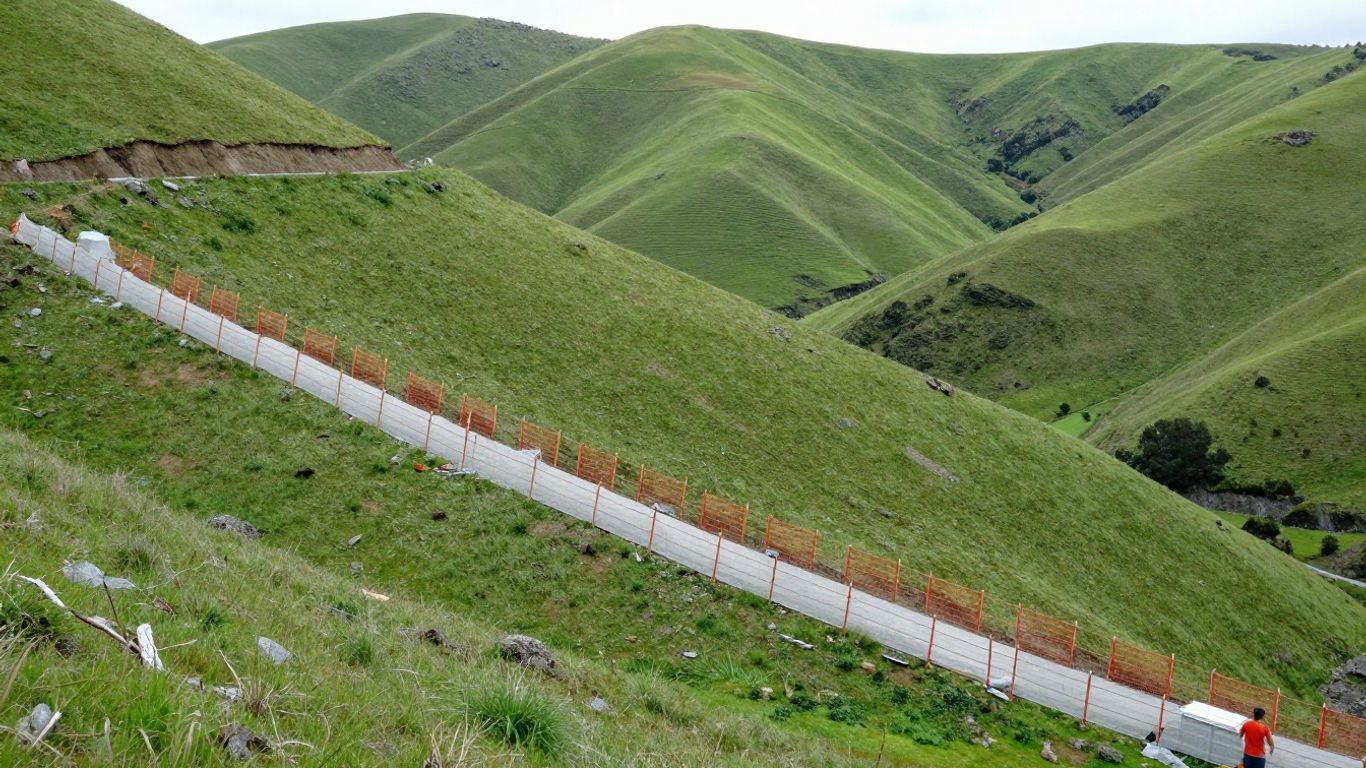
Steep slopes naturally experience greater runoff, making them highly susceptible to erosion during heavy storms. We construct professional-grade f10f including silt fences and sediment ponds to keep your soil where it belongs. These small, preventive measures ensure your site remains compliant and safe regardless of how steep the gradient may be.
Identifying and protecting underground utility hazards
Every site contains hidden complexities, often in the form of older service lines or uncharted utilities. We follow a strict protocol for locating these hazards before, during, and after excavation commences. Your safety—and the safety of your neighbours—depends on our thorough awareness of what lies beneath the surface.
Mitigating seasonal weather impacts on project timelines
Weather in the Bay of Plenty can shift rapidly, bringing sudden rain that turns a dry site into a quagmire. We plan projects with seasonal factors in mind, ensuring we have adequate cover and drainage ready for when the conditions turn sour. A list of key mitigation strategies often looks like this:
- Sequencing earthworks to minimize the duration that soil is left exposed to rain.
- Stockpiling quality aggregates for use during wetter weeks to provide stable access.
- Regularly monitoring regional 76b0 to adjust schedules just before weather patterns shift.
- Diverting surface water away from active trenches to prevent pooling and mud collapse.
Applying these methods allows us to maintain a consistent output when other teams might struggle to keep their footing.
Preparing your site for excavation success
Preparation effectively doubles the speed of your excavation project. By organizing the physical space before the machinery arrives, we reduce the time spent moving piles of debris or navigating through unnecessary obstacles. The following table identifies which actions have the highest impact on your site’s readiness.
| Preparation Activity | Impact on Project Speed | Requirement |
|---|---|---|
| Professional site survey | Critical | Mandatory |
| Clearing invasive vegetation | Moderate | Case-by-case |
| Access route establishment | High | Essential |
| Perimeter sediment control | Critical | Regulatory |
Taking these steps before the first shovel hits the ground helps eliminate bottlenecks, allowing the team to work with maximum efficiency.
Conducting professional site surveys and marking
Knowing exactly where your boundaries and ground levels lie is essential for accurate excavation. We use advanced mapping to define your site footprint, ensuring no overlap into prohibited areas. Investing in a survey early is significantly cheaper than correcting an error once the slab has already been poured.
Clearing invasive vegetation and hazardous obstructions
Overgrown scrub and old foundations hidden beneath the soil can slow down your progress dramatically. We provide 2763 to ensure your site is completely cleared of debris before the machine starts the cut. This creates a clean, usable space for your build and prevents hidden obstructions from damaging expensive equipment.
Establishing safe access routes for heavy machinery
Heavy trucks require wide, stable paths to transport materials efficiently. We design access routes that accommodate wide-load vehicles while protecting your property’s perimeter. Providing a clear path from the road to the excavation zone prevents traffic jams and keeps your neighbours happy throughout the construction phase.
Installing perimeter silt and sediment controls
Before you start moving dirt, you must ensure your site is protected from runoff. Installing silt fences and containment zones early is a non-negotiable step in maintaining environment compliance. These systems prevent sediment from leaving your property, thereby keeping your project clear of legal headaches.
Choosing the right equipment for the job
Using specialized technology is the difference between a project that is finished on time and one that faces weeks of delays. We choose our machines based on the specific terrain and requirements of your unique land, ensuring the equipment is perfectly suited for the load. Whether it is tight residential access or massive bulk moving, we have the right tool.
Benefits of mini-excavators for tight residential spaces
Mini-excavators provide the perfect solution for working in areas where standard machinery wouldn't fit. Their compact footprint minimizes damage to lawns and existing structures while allowing us to complete detailed tasks with ease. We use them frequently in db64 where accuracy is required around existing house foundations.
Utilization of bulldozers for bulk earth moving
For large-scale leveling and earthmoving, bulldozers move massive quantities of material faster than any other single piece of machinery. They transform undulating land into a flat building platform with high efficiency. We integrate these powerful tools sparingly to ensure that we maintain precise control over your site grades.
Precision advantages of hydro-excavation technology
Hydro-excavation uses pressurized water to clear soil, making it the safest option when working near sensitive underground services. By avoiding the jagged teeth of a standard bucket, we lower the risk of damaging existing infrastructure like conduits or pipes. This high-tech approach represents the pinnacle of safety for utility-heavy project sites.
Requirements for heavy-duty dump trucks and haulage
Moving earth is only half the battle; getting it off your property efficiently keeps the site productive. We coordinate an 8-wheeler truck haulage system that manages spoil removal to keep the site moving continuously. This logistics coordination ensures that your project does not run out of space for excavated earth during the busiest days of the work cycle.
Conclusion
Successfully managing your earthworks in the Bay of Plenty requires a balance of local knowledge, professional machinery, and strict adherence to regulatory standards. By partnering with an owner-operator who understands the unique geothermal, soil, and environmental challenges of this beautiful region, you save valuable time while ensuring a solid foundation for your home or business development. Whether you need precise trenching, reliable bulk earth moving, or a comprehensive site feasibility report, focusing on quality and transparency from the start will ensure your long-term success on the property. Prioritize safety and site preparation today to build something solid and lasting for the future.
Frequently Asked Questions
How long should I allow for site preparation works?
Project timelines vary depending on total site size, complexity, and soil conditions. Most residential site preparations for single-lot builds are completed in one to two weeks, but you should discuss the specific site feasibility of your property for an accurate estimation and to coordinate with other trades.
Do I need a geotechnical report before starting excavations?
Yes, a professional geotechnical report is usually mandatory for establishing the foundation design and ensuring your soil can support the structure. We strongly recommend having this done before starting any major trenching or clearing to avoid costly foundation revisions later in the process.
Can digging occur during the winter months?
Earthworks are possible throughout the winter in the Bay of Plenty, but they require much closer attention to erosion control and material moisture levels. Preparing your site with professional drainage and silt containment is more critical during rainy months to keep your project compliant and safe.
How are underground services located before digging?
Before excavating, we perform checks using utility maps and onsite scanning tools that identify electrical, plumbing, and communication lines. This process prevents accidental damage or disruption to your existing services or those running through the site boundaries.
What does an owner-operated service offer over larger construction brands?
Working with an owner-operator ensures you deal directly with the person managing your machinery and project flow from start to finish. This direct accountability often leads to clearer communication, faster responses to site changes, and a more dedicated focus on the quality of your specific project outcome.
How does soil composition affect the excavation cost?
Soil density and composition change the effort required for every dig; harder ground or rocky strata require more time and specialized equipment to remove effectively. A professional site feasibility assessment helps determine the soil profile early, allowing for more specific and honest budgeting before work begins.
What happens if hazardous materials are found on site?
If potentially contaminated materials or unexpected debris are uncovered, work in that specific area must stop so the site can be formally assessed. We prioritize safety and regulatory adherence, working quickly to guide you toward the necessary testing and mitigation steps to keep your build moving safely.