Key Takeaways
Selecting the right land clearing service requires balancing regional expertise, specialized equipment capacity, and a clear understanding of regulatory requirements. These steps ensure your project moves forward efficiently without running into unexpected delays or environmental penalties.
- Prioritize contractors with extensive experience in the Bay of Plenty's unique terrain.
- Confirm all essential health and safety documentation and insurance coverage before works commence.
- Utilize modern mechanical options like mulching to manage debris sustainably on-site.
- Coordinate early with council guidelines to avoid legal or biodiversity-related setbacks.
- Establish clear project milestones and site access plans to keep costs predictable.
Understanding the scope of land clearing services
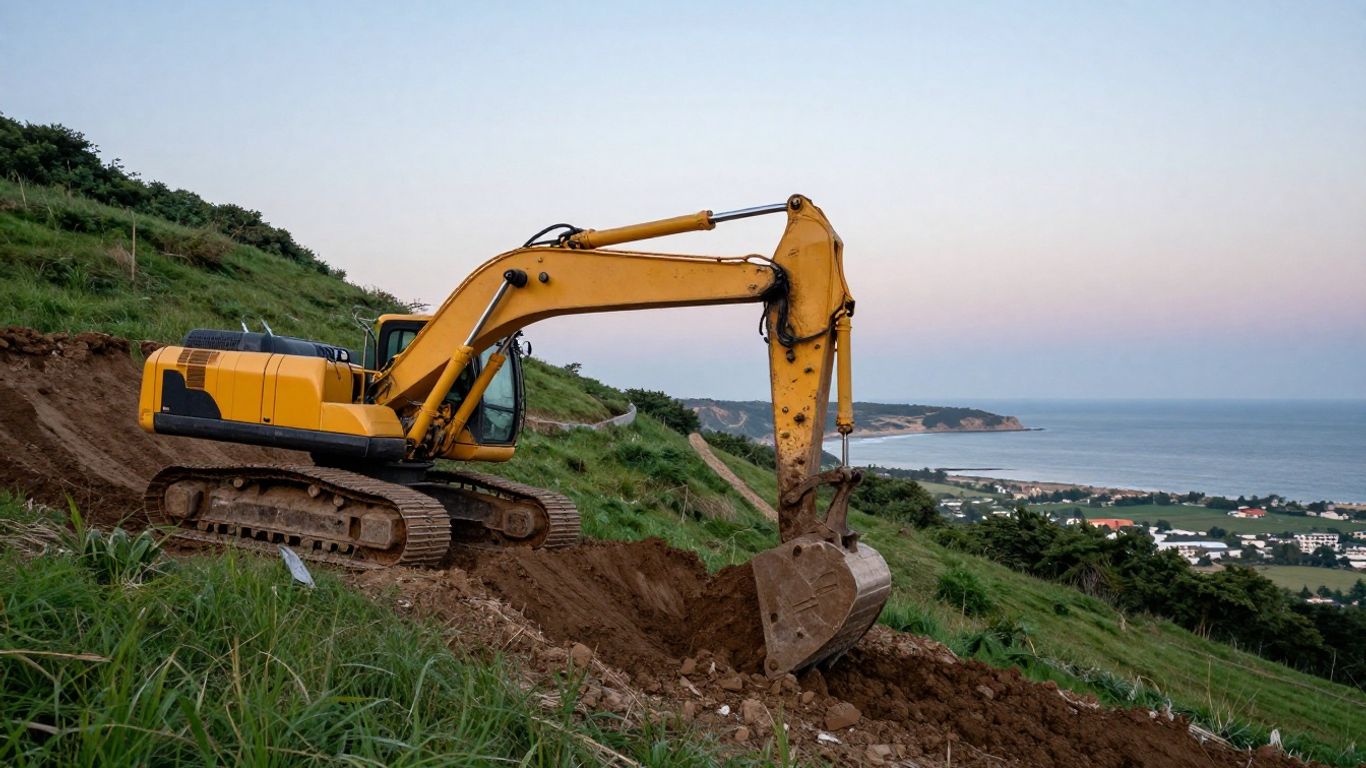
Clearing land is more than just removing plants; it involves a sequence of operations designed to prepare the ground for future construction or development. Effective site preparation requires a thorough understanding of the terrain, as the challenges found in a flat suburban block differ significantly from a steep rural hillside. Whether you are dealing with dense thickets of gorse, established shelter belts, or overgrown pasture, experienced operators approach each task with a focus on long-term land utility. When searching for land clearing contractors Tauranga, Peard Excavation brings over three decades of field experience to site preparation.
Vegetation removal and site preparation
Professional removal starts by assessing the density and species of the vegetation present, as different plant types respond best to specific clearance techniques. The primary aim is to clear the surface level efficiently while readying the topsoil for whatever construction phase follows. This often involves stripping back invasive species and long-grass cover to provide a clean slate for soil testing or slab preparation.
Stump grinding and root extraction
Once the main vegetation is removed, the remaining stumps and root systems can pose significant barriers to site leveling and foundation work. Relying on heavy machinery for extraction or utilizing specialized grinding equipment ensures the ground is truly stable underneath the surface. Removing these deeply embedded hazards prevents future subsidence and makes grading the area for drainage much simpler.
Mulching versus debris hauling
Choosing between hauling debris off-site and processing it into mulch is a major decision that impacts your project budget and long-term soil health. Processing organic waste directly on-site cuts down on transportation fees and creates a protective layer that can prevent erosion, though it requires specific equipment to be done correctly.
| Method | Cost Impact | Site Benefit | Best Use Case |
|---|---|---|---|
| Mulching | Low/Medium | Soil enrichment | Non-timber woody weeds |
| Debris Hauling | High | Immediate clearance | Dense urban sites |
| Burning | Medium | Fast removal | Remote rural areas |
Selecting the right method often depends on the specific site constraints and the volume of material gathered during the initial sweep, allowing for a well-managed and efficient process that keeps the project on track.
Key factors for identifying reputable Tauranga contractors
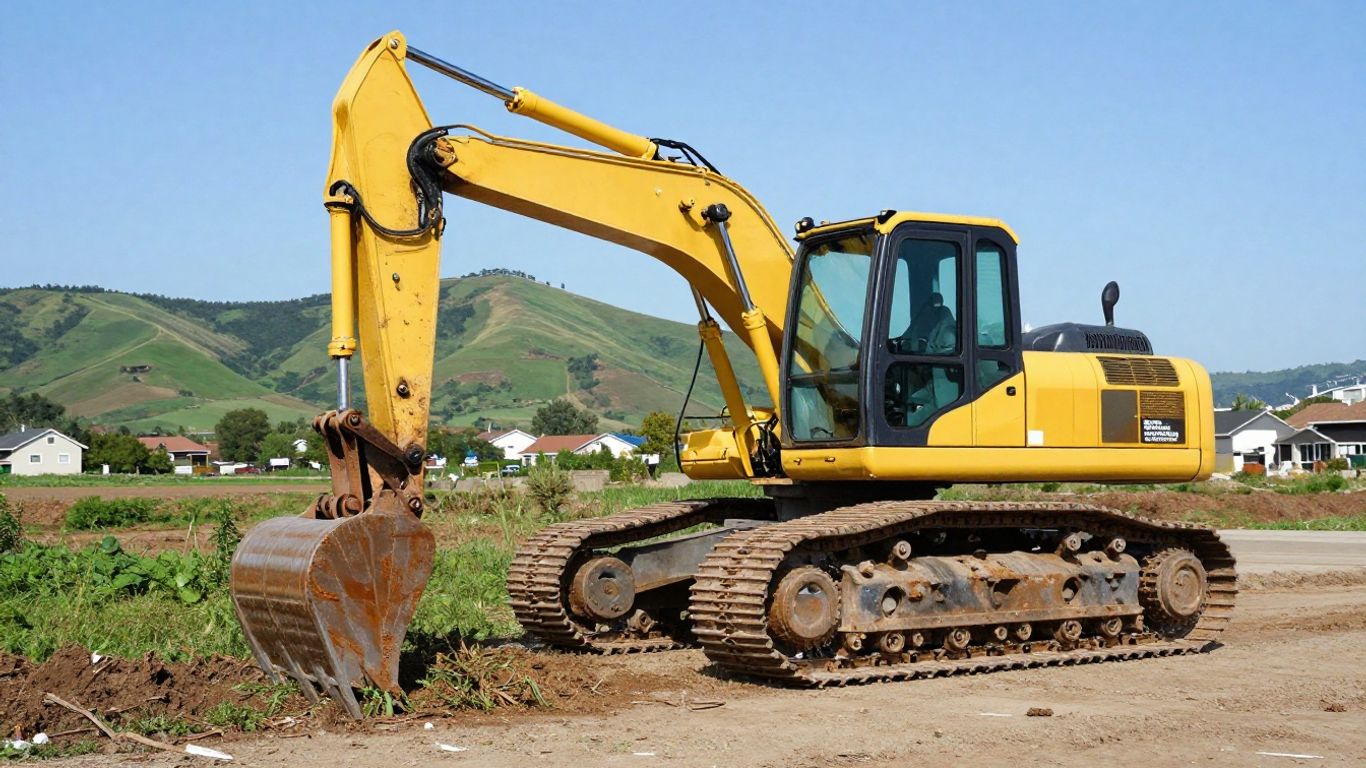
Finding a reliable partner depends on their proven ability to handle local conditions and their commitment to standard procedures. A reputable contractor should demonstrate transparency in their operations from the first site visit to the final cleanup. When you review potential teams, look for those who own and maintain their fleet, as this suggests a higher level of oversight and reliability compared to those relying on sub-hired gear.
Verifying local experience and site familiarity
Understanding local geology and climate patterns is essential for any earthworks professional working in the Bay of Plenty. A contractor familiar with the regional soil types knows how to anticipate drainage issues and slope stability challenges before they become high-cost problems on the day of the dig. Their past projects on similar terrain serve as a testament to their capability.
Checking insurance and health and safety compliance
Operating heavy machinery in tight or sensitive areas carries inherent risks that must be managed through rigorous safety protocols. Before signing any contract, ensure the business holds current public liability insurance and adheres to mandatory health and safety standards. Asking to see their documentation is a standard professional request that any legitimate operator will expect to answer.
Evaluating specialized machinery and equipment
Different projects demand specific machine attachments to get the work done without damaging surrounding landscape features. Peard Excavation manages projects with efficient bulk excavation tools, ensuring sites are ready for the next stage using modern fleet capabilities like tiltrotators and laser-guided grading to achieve high accuracy. A well-equipped team is generally safer and faster, leading to a much smoother project flow.
Navigating planning permissions and environmental regulations
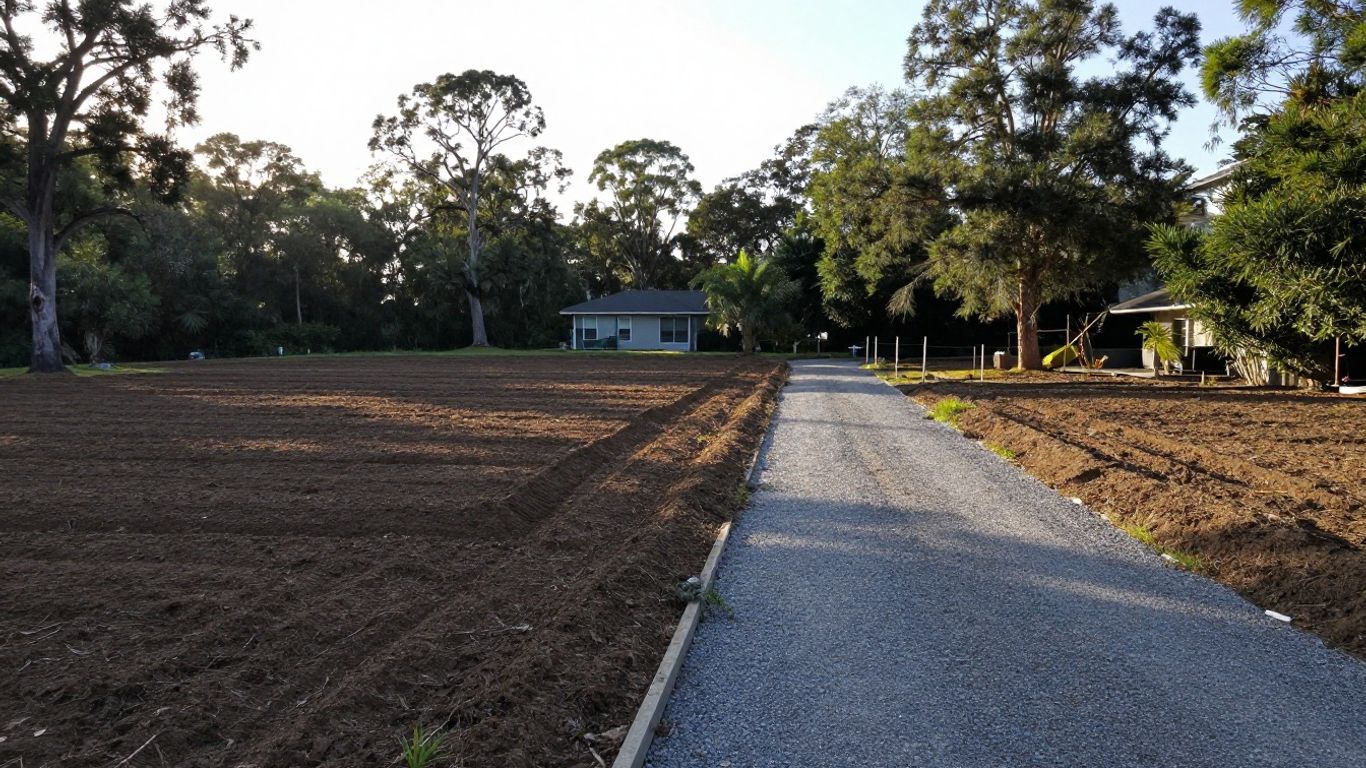
Compliance is a non-negotiable part of modern construction in the Tauranga area, regardless of the scale of your development. Local councils have strict rules regarding how much earth can be moved, where it can be stored, and how it must be protected from weather events. Ignoring these regulations can lead to stop-work orders and significant fines that derail your schedule.
Understanding Tauranga City Council guidelines
Every development project should start with a check against the local district plan to see if your planned clearing activities require formal consent or permits. Your contractor should be well-versed in these requirements and capable of advising whether your project falls under permitted activity or requires a more formal approval process. This early communication helps you avoid costly delays after the machines arrive.
Dealing with protected native trees and biodiversity
Identifying protected plant species or significant ecological areas is crucial before any mechanical clearing occurs on your site. Professionals should be able to identify these features and assist with mapping out zones that must remain untouched to stay in line with regional environmental policies. Keeping these areas preserved is not only a legal requirement but often a condition for obtaining future building approvals.
Managing soil erosion and environmental impact
Sediment runoff is a major environmental concern in coastal regions, particularly during heavy rain. Companies like Peard Excavation prioritize site-specific sediment solutions to maintain council compliance during land works, installing systems to keep the site clean and stable. You want to implement these controls logically:
- Install silt fencing during the initial mobilization.
- Maintain consistent drainage channels to divert runoff.
- Cover exposed soil with mulch or hydroseed as soon as possible.
- Monitor weather reports for high-rainfall events.
Following these steps ensures that you don't face penalties while protecting the local ecosystem during the entire duration of your project.
How to request and compare quotes effectively
Getting a clear and accurate quote requires providing as much detail about your site as possible from the outset. When you ask for estimates, base them on specific project requirements like the total area to be cleared, the presence of stumps, and the required timeline. This allows contractors to make informed decisions about the labour and machinery needed, reducing the likelihood of price variations later.
Providing accurate site access information
Contractors need to know if they can easily get their heavy equipment onto your land without obstacles. Explain the width of your gateways, the condition of the driveway, and any potential overhead obstructions like power lines. If the machine size can be matched precisely to the access points, you often save significantly on site mobilization charges.
Identifying hidden costs in excavation work
Ask your quotes for a breakdown that distinguishes between hourly rates, dump fees, and machinery transport costs. Some businesses provide all-inclusive pricing, while others add these items as variables; understanding how your quote is structured prevents surprises when the final invoice is processed. Always look for clarity on whether the quote covers the removal of all materials or just the initial clearing.
Defining clear timelines and project milestones
Setting a realistic start and finish date is vital for coordinating with other trades and managing your own expectations. A good contractor will explain how they intend to meet these milestones and what might cause the timeline to shift. Aligning your expectations early means you can plan your next construction phases with confidence.
Preparing your site for contractor arrival
Before the machinery arrives, your site should be prepared to allow the crew to start working immediately without confusion or downtime. Proper preparation allows the operator to focus on the task of clearing rather than searching for boundaries or trying to avoid buried infrastructure. A well-organized site is a mark of a professional project owner.
Marking boundaries and sensitive structures
Clearly define the zones that are part of the scope and those that are off-limits. Using high-visibility tape or stakes to flag property lines and features like specimen trees or existing fence lines prevents accidental damage. This visual guide is the best protection you can provide for the assets you wish to keep.
Coordinating utility line locations
Buried power, water, and internet lines are frequent casualties in poorly planned clearing projects. You must identify the position of all underground services and check the plans with local utility providers before any earthmoving begins. Having an as-built plan or utility map ready for the operator can prevent lengthy project halts and major repair costs.
Ensuring adequate accessibility for heavy machinery
Check your access points one final time to ensure they are clear of vehicles and temporary structures. If the ground is particularly soft, discuss the need for temporary mats or aggregate to ensure the machinery can move safely without becoming bogged down. Clearing the path to the working area creates a much safer environment for the crew and helps them maintain a consistent pace throughout the job.
Conclusion
Choosing a land clearing contractor in Tauranga is a foundational step that sets the tone for your entire development project by ensuring the ground is ready and legally compliant. By focusing on experience, insurance, and clear communication regarding site constraints, you minimize your risk and create a project atmosphere built on efficiency and safety. Investing the time to prepare your site, verify your contractor's credentials, and confirm regulatory alignment paves the way for a successful outcome on your property.
Frequently Asked Questions
Are there specific times of the year better for land clearing?
Yes, dryer months are generally better because the soil is more stable and less prone to erosion during the removal process. Winter clearing can be more challenging due to wet conditions that might limit heavy machinery access.
Can I keep the mulch generated on my site?
Absolutely, many landowners choose to spread the mulch across their property for garden use or soil stabilization. It is a cost-effective way to manage debris while also returning organic matter to your land.
Who is responsible for identifying underground services?
As the landowner, you hold the primary responsibility for ensuring services are marked before any earthmoving begins. Failing to do this can cause severe damage to utility infrastructure and lead to significant personal liability.
Does land clearing usually include removing stumps?
It depends on the scope of the quote, so you should explicitly ask if stump grinding or extraction is included. Some standard clearing packages only remove surface vegetation, while others include deep extraction as part of full site prep.
Are council consents required for all types of land clearing?
Not always, but large-scale clearing, especially on sloping land or near protected trees, will likely require a consultation with the council. Always check current regional regulations before starting to see if your site needs a specific permit.
How long should the site clearing process typically take?
Timeframes depend entirely on the density of vegetation and the size of the block being cleared. Your contractor will be able to provide a more accurate estimate after they have completed a site visit or feasibility assessment.
Can heavy machinery navigate tight gates or narrow lanes?
Yes, many modern contractors utilize compact but powerful excavators designed specifically for tight access. Providing exact measurements of your entry and access routes during the quoting stage helps ensure the right gear is selected for your specific constraints.